Home Report
Type an address or an MLS number and open the Home Report for that home.
Selling
Which method is right for you?


REALTOR®
Consultant
Your REALTOR®
in the know.
Anyone can help you
buy or sell.
How you do it
matters.
Every option, customized
to your situation.
Buying
Search by what data matters to you.
The Data Advantage
Exclusive premium data - free with registration
Don’t mistake free for cheap. This is the research layer other sites charge for — or never show you at all. It’s open to everyone, because a smarter client makes a better deal.
Free tools
Type an address or an MLS number and open the Home Report for that home.
homes sold
career sales volume
average sale price

Your Agent
Allen Markel spent 28 years running enterprise systems before he ever wrote a contract. That discipline built something the big sites don’t offer: these aren’t facts you look up after you’ve fallen for a house, they’re how you find it in the first place. Search by beds, baths, price and location, then keep going. Set a ceiling on the tax rate, the real one, with the MUD included. Say no HOA at all, or set the most you’ll pay in dues. Require A-rated schools and see the exact attendance zone. Choose which flood zones you’ll accept. Every home also carries a Crime and Safety read, published here since HUD’s rules changed this year, which most sites still don’t show at all.
Other sites hand you those numbers one house at a time, after the fact. Here you see only the homes that clear your bar.

Selling
Most agents pitch you the one they get paid for. Here are all eight — pick one to see who it's for, how fast it closes, and what it does to your price.
Every other option on this list trades away some of your price in exchange for speed, certainty, or convenience — and sometimes that trade is absolutely worth making. You can only judge it against the number you'd be giving up, which is why this one is the baseline. Priced off closed sales rather than hope. Marketed hard through the first ten days, which are the ones that decide it. Negotiated on more than price, because closing date, repairs, and who pays what move more money than most sellers expect. You get a written net sheet before it ever goes live.
Rather talk the eight through with a person?
Schedule time with AllenAnswer a handful of questions and get your match — with the honest trade-offs of each path, and every option still on the table.
Take the 60-second quizLife changes
Thirteen situations I handle regularly — each with its own page, its own steps, and the options that aren't selling laid out beside the ones that are.
Two people who no longer agree on much still have to agree on a house. What works is a neutral, documented process: one value both sides can trust, one timeline you set together, and identical updates to each of you so nobody ends up feeling handled. Your attorney handles the legal side and I don't replace that. What I do is keep the house from becoming one more thing to fight about.
Your situation is never just one of thirteen. Let's talk about yours.
Schedule time with AllenBuying
Most people who could buy a home believe they can't — usually because of one thing they were told once and never checked. Pick the one that sounds like you.
Not sure where you land? Start with what's for sale — there's no sign-up to look.
Want to know what you can actually do? Fifteen minutes is enough to find out.
Schedule time with AllenFeatured Properties

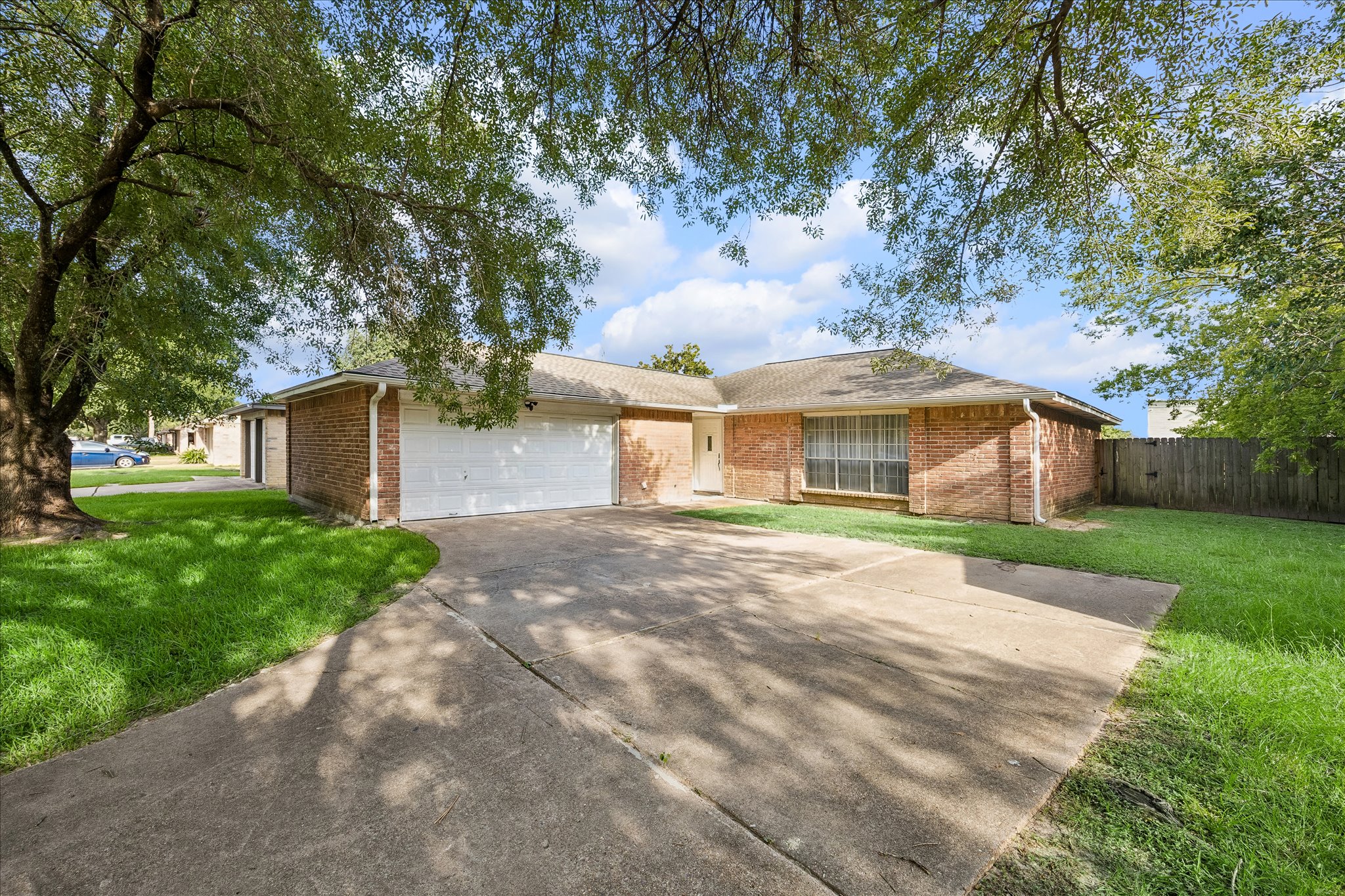
10810 Spiny Elm Court
BRIDGELAND · Cypress
MLS# 84214291

16343 Sky Blue Lane
SOMMERALL · Houston
MLS# 55940499
Active$376,92516702 Vibrant Avenue
JUBILEE · Hockley
MLS# 30971069
Active$384,89022610 Alamo Ridge Road
KATY GRAND VILLAGE · Katy
MLS# 39504056
Active$450,00014847 Whistling Duck Lane
AUDUBON · Magnolia
MLS# 30686977

6007 Briarstone Crest Drive
ELYSON · Katy
MLS# 68944239

10622 Heather Berry Lane
TOWNE LAKE · Cypress
MLS# 61335143

20103 Chula Vista Drive
DUNHAM POINTE · Cypress
MLS# 18528908

29849 Lucky Pines Street
WOODHAVYN · Magnolia
MLS# 62321044

17714 Country Meadow
COUNTRY WOODS ESTATES · Magnolia
MLS# 42267039

17207 Kilmahew Place
ALIANA · Richmond
MLS# 64107567

107 Shoveler Duck Way
AUDUBON CREEKSIDE SOUTH · Magnolia
MLS# 5088608

3115 Tulip Terrace Trail
HARVEST GREEN · Richmond
MLS# 78849434

24703 Ciderwood Crest Drive
ELYSON · Katy
MLS# 21617013

18 Dawning Flower Drive
WOODLANDS CREEKSIDE PARK WEST · Tomball
MLS# 26352753

10506 Shoreline Sedge Lane
BRIDGELAND · Cypress
MLS# 75280212

19411 Living Water Lane
TOWNE LAKE · Cypress
MLS# 20343887

339 W Shore Lane
BENTWATER · Montgomery
MLS# 41748026

24816 Two Rivers Road
MONTGOMERY FARMS · Montgomery
MLS# 38878997

258 Pinerock Lane
BENTWATER 47 · Montgomery
MLS# 65799688

23421 Cannondale Loop
HIGH MEADOW ESTATES · Montgomery
MLS# 43403788

11600 Grand Pine Drive
GRAND HARBOR 11 · Montgomery
MLS# 23092951

18407 Symons Branch Court
TOWNE LAKE · Cypress
MLS# 6037028

30943 Spring Lake Blvd
RESERVE AT SPRING LAKE · Tomball
MLS# 44926072

20014 Winding Angelica Way
DUNHAM POINTE - ESTATE COLLECTION · Cypress
MLS# 22549339

18556 Michaels Run
GRAND LAKE ESTATES · Montgomery
MLS# 34500947
In their words
— Reed
a year ago— Whitney Ramirez
4 years ago— Jennifer Hammons
9 months ago— Sarah Medina
3 years ago— Marc Whitman
a year ago— Bharat Patibandla
3 years ago— Arina Omer
5 years ago— Travis Buse
4 years ago— Mariela Figueroa
3 years ago— Mike Guest
3 years ago— John Smart
a year ago— Alexander Santibanez
4 years ago— Malik Sherwani
3 years ago— Amanda Spence
a year ago— Jeff elsey
2 years ago— Ken Rosete
3 years ago— Hannah Douget
4 years ago— Nathaniel Smith
2 years ago— Eric Fox
3 years ago— B B
3 years ago— M Bell
2 years ago— Linda Gonzalez
2 years ago— JOHN Seale
3 years ago— Life's Purpose
4 years ago— jenny xiao xia Gong
5 years ago— Chaz C
3 years ago— Diana Valencia
4 years ago— Brian Anotado
3 years ago— Frederick Emrich
4 years ago— Lisa Blizzard
a year ago— Danny Loquercio
a year ago— Hutch
5 years ago— Bellen Betan
2 years ago— Glenn Hebert
5 years ago— Steven Barber
2 years ago— Kenn Detruz
a year ago— Alexander Lopez
2 years ago— Femi Olabisi
4 years ago— James Brown
10 months ago— Kevin Peterson
4 years ago— Bjorn
4 years ago— Muhammad Shaikh
2 years ago— Maria Perez
2 years ago— Breanna Miller
5 years ago— Philip Apffel
3 months agoIt depends on what matters most to you: the highest price, speed, certainty, convenience, or staying put a while. Each option trades some of one for more of another. We compare them side by side using your own numbers, so you can see what each choice does to your price and your timeline. Talk to us to find the right option for your circumstances.
Yes, and we think you should. Before anyone takes a cash offer, we show what a traditional sale would likely net, side by side with the other route. Seeing both columns lets you judge whether the speed or certainty is worth the difference. You decide once you have the comparison in front of you.
Looking at your options does not cost anything and does not obligate you to sell. We talk through your home and your goals, then lay out the choices and the trade-offs of each. You only commit when you pick one and sign an agreement, and the terms of that agreement are put in writing first.
A traditional sale exposes the home to the widest group of buyers, which usually brings the highest price but takes the longest. Cash routes shorten the timeline and add certainty, but typically leave some price on the table. Neither is wrong. The right pick depends on how much time you have and what a delay would cost you.
Often yes. A cash offer can sometimes close a home the open market did not, and we can look at that at any point without starting over. That is one reason to plan the fallback before you list. Switching is easier when you talk to us early rather than after the clock is already running.
Yes. The site has a short quiz that asks a handful of questions and shows your match, with the honest trade-offs of each path. It does not require signing up, and every other option stays on the table afterward. Many people use it as a starting point and then talk it through with us.
No. Most people arrive unsure, and that is normal. A first conversation is about your timeline, your home and what you want out of the sale. From there we narrow the field together. Choosing early without comparing is how people end up with an option that does not suit them.
Each option pays for something different: reach to the most buyers, speed, repairs handled for you, or a stay in the home after the sale. Those services show up as price, fees or time. We put the numbers for each choice in writing so you compare actual dollars rather than impressions.
Plenty of agents can put a sign in the yard and list a home. The real difference is whether you are shown the full range of ways to sell, and whether the plan fits your circumstances. The method you choose can change your price, your timeline and your stress. That is where a consultant earns the role.
A listing-only approach starts and ends with putting the home on the market. A consultant starts with your goals and timeline, then lays out every route and what each one does to your result. Sometimes the answer is a standard listing, and sometimes it is something else. The work is deciding, not just marketing.
Because the right choice depends on you, not on what the agent prefers to sell. Many agents lean toward the one method they are set up for. Showing every option lets you judge the trade-offs yourself, including the ones that earn us less. A choice you made with all the facts holds up better than one you were steered toward.
It means we start with your timeline, how much the home needs, what you owe, and what you want next, then pick the route that fits. Two homes on the same street can call for different options. We also check that a method is available for your home before suggesting it, rather than offering it and hoping.
Ask directly who the agent represents and get it in writing. With cash offers, we bring the offers to you and negotiate for your side. A good agent explains the agreement, shows you the numbers and is comfortable if you compare options elsewhere. You should never feel handled.
Ask which options they would show you and what each would net, how they price a home, how they handle showings and feedback, how often they update you, and what the costs are in writing. Also ask what happens if the home does not sell. The answers show whether you would get a plan or a sales pitch.
Yes. For a traditional sale, we prepare a written net sheet before you list, so the number at the closing table is the number you were told. For other options, the program terms and costs are shown in writing before you commit. If something is not clear on paper, ask us before you sign.
It can. Carrying costs such as the mortgage, taxes and insurance keep running while you wait, and some options depend on timing. Waiting is not always wrong, but delay by default is the most common mistake we see. A short conversation now costs nothing and shows you what waiting really means for your situation.
No. Many people start by asking months before they plan to list so they can prepare, fix only what pays back and choose the right route. Asking early gives you more options, not fewer. There is no obligation, and the questions you ask now often change what you decide to do.
That is a fair place to start. We can compare selling with staying, renting the home out, or another path, and show what each would look like in practice. Some life situation pages lay out options that are not selling at all. Nothing is a straight line, so we start with what you want.
Allen Markel is a REALTOR and consultant with Texas Premier Realty. He serves Harris, Fort Bend, Montgomery, Waller, Grimes and Austin counties in the Greater Houston area. Before real estate he spent many years running enterprise systems, and that habit of building and checking data shapes how he advises sellers and buyers.
It means decisions rest on data rather than guesses. The site's tools show real tax rates, flood zones, school zones and comparable sales, and we use the same information to price your home and compare your options. You see the reasoning behind the number, not just the number.
It suits sellers for whom the highest price matters more than speed, whose home is in decent shape, and who have some flexibility on timing. It also fits sellers wanting to see what the market will really pay before accepting anything. It is the default path and does not have a qualification box. Talk to us to find the right option for your circumstances.
Every other option trades some price for speed, certainty or convenience. To judge any of those trades, you need the number you would be giving up. A traditional sale shows that number, so we compare the other routes against it. Sometimes the trade is absolutely worth making, and we will say so.
We price off closed sales of similar homes, not off hope. You see the comparable sales and the math before agreeing to a number. Pricing too high tends to cost time and often price in the end, so we explain the reasoning and the range instead of just handing you a figure.
Buyers watching new listings pay the most attention at the start, so that is when interest is strongest. Quality photos, wide listing exposure and active outreach are timed for that opening stretch. A home that starts out overpriced or poorly presented loses that window and can end up chasing the market.
Some updates, not most. Repairs that pay back are the ones buyers notice right away and the ones that show up as red flags in an inspection. Almost everything else mainly makes the home nicer for the next owner. We walk the house with you and tell you what to do and what to skip.
A net sheet is a written estimate of what you would walk away with after the costs of selling. We prepare it before you list so there are no surprises at the closing table. It also lets you compare a traditional sale against cash options in actual dollars. It is an estimate, and we update it as offers come in.
Often, because closing date is one of the terms we negotiate along with price and repairs. It carries more uncertainty than a cash sale, though, since a financed buyer has steps to complete. If a firm date matters more than the last dollar, ask us about the cash options and we will compare.
Showings are the whole method of a traditional sale, so it may not suit you. A cash route that skips showings may be a better match, usually at some cost to price. We can show you both numbers so you can decide how much privacy is worth to you.
It usually comes down to price, marketing or condition, and it is rarely bad luck. We work out which one honestly. There is also a fallback: a cash offer can sometimes close a home the market did not. It helps to plan that backup early rather than after weeks of waiting.
Yes. Closing date, repairs, who pays what, and sometimes a stay in the home after closing are all negotiable. Those terms can move more money than sellers expect, so we weigh offers on the whole package rather than the headline number.
It lets you buy your next home first, then sell your current one after you move. You make a strong offer on the next home without needing to sell first, and your old home is listed empty. The goal is one move instead of two, with equity made available early. Program costs apply.
It fits sellers moving up who cannot buy and sell at the same time, want to skip double moves, and do not want a sale-contingent offer that loses in a multiple-offer situation. If you can buy first on your own with cash and flexible timing, a straight sale may be simpler. Talk to us to compare.
First we work out how much of your home's equity you can use and set a buying budget, which usually takes about a day with no obligation. Then you make an offer on your next home with no sale condition and move in. Last, we list your old home empty and sell it.
An empty home tends to show and photograph better, and showings are easier because you are no longer living there. It also means you do not have to keep it show-ready while you settle in elsewhere. We price it to move, since for a short time you hold two homes.
There are program and bridge costs for the convenience of buying first, and the old home carries costs while it sits. We lay the numbers out next to a traditional sale so you compare in dollars. Whether the convenience is worth it depends on how much a competitive offer on the next home matters to you.
That is the main risk, because you briefly carry both homes. We price and stage the home to sell. If the market is slow, a cash offer fallback can keep you from carrying two homes indefinitely. Ask about the fallback terms before you start so you know your exit.
A sale-contingent offer tells the other seller the deal depends on your home selling, which can make it less attractive in a competitive situation. A trade-in style offer removes that condition, so it reads like a regular offer. The trade-off is that you carry two homes for a time.
It depends on your home's value and what you owe. We start by working out a buying budget based on those numbers, usually within about a day and with no obligation. That tells you what you can offer on the next home before you start looking seriously.
Not necessarily. It removes the stress of two moves and a rent-back, but it carries program costs. Compare the total cost of each path, including your time and the chance of losing a house because your offer was conditional. We run those comparisons with you.
If you have the cash and timing flexibility to buy first on your own, a straight sale may net more because there are no program costs. If your next home is not picked yet and you can wait, selling first is often simpler. We help you weigh both.
It is a way to update your home before listing without paying for the work up front. Managed improvements are done by vetted vendors, and the cost is repaid from your proceeds when the home sells. It makes sense only when the updates are expected to lift your net more than selling as it stands.
It is deferred rather than free. You do not pay up front, but the cost is repaid at closing from your sale proceeds. Terms vary by program, and we show the full cost in writing before any work starts. That way you can see exactly what comes out of your proceeds.
It fits homes that need updates to reach full market value and sellers who would rather not, or cannot, pay for prep up front. If the home is already move-in ready, you can skip the work and list. If you need to close very quickly, a cash option may fit better.
First, a free walkthrough picks out only the updates likely to pay back. Second, vetted vendors do the work and we manage the project for you. Third, we market and sell the home, and the renovation cost is repaid at closing from your proceeds.
We model the value after updates against current comparable sales and compare it with the as-is result. No renovation is scheduled until the projected net after updates beats the as-is net, in writing. If the math does not work, we say so and list the home as it stands.
That risk is why the numbers come first. Projections are estimates, not promises, and the cost is still repaid from proceeds. We only recommend the work when the math is clearly positive, and we explain how sensitive it is to market changes. Ask to see the cautious case, not only the hopeful one.
The focus is on improvements buyers notice and that tend to pay back, rather than a full remodel. Which ones apply depends on your home and local comparable sales, so the walkthrough decides. We would rather talk you out of a project than into one.
The cost is still repaid from sale proceeds when the home sells. If it does not sell on the open market, a market-value cash offer may be available as a way to close it. Ask about this fallback and its terms up front so you know your options before work begins.
We talk through everything before work begins. Once you approve the plan, the cost is tied to the work completed. So the time to ask questions and push back is before you sign off. A clear written scope protects both sides.
Here the project is managed for you by vetted vendors and the cost waits until closing. If you do it yourself, you pay as you go and manage the contractors. Doing it yourself can cost less if you have the time and skills, but it takes your time and cash up front.
When the home is already in good shape, when the projected gain does not beat the cost, or when speed matters more than price. A cash option can buy a home as it stands. We put both numbers next to each other so you can choose.
You sell your home at a market-value-based price, receive your equity up front, then lease the home back from the buyer at a fixed rate so you can stay as long as the lease allows. The agreement includes an option to repurchase when the timing is right. You become a renter after the sale.
You tell us about your home, receive an offer based on market value, and sell with cash up front like a normal sale. Then you lease the home back at a clear, fixed rate, with the option to repurchase later. We go through every line of the lease with you before you sign.
It is based on your home's market value, and we show you the comparable sales behind the number. You should be able to see how it was reached, not just the figure. Ask how it compares with a traditional sale price, and we will lay both out.
You lease it back for a term agreed up front at a fixed rate. The exact length is part of the agreement, so understand the term and what happens at the end before you sign. We lay out every number with you so there are no surprises.
The agreement includes an option to repurchase when the timing is right. The terms of that option, including when and at what price, matter a great deal. Read them closely, and we will walk through them with you so you know what the option really offers.
You pay rent at the fixed rate in the lease. You no longer pay the owner's taxes, insurance or maintenance, because you are a tenant. Compare the rent against what owning cost you, and against moving, so you can see the real difference.
You become a renter, so rent is an ongoing cost and there is a lease to honor. A future rent increase or difficulty paying could put you in a tough position. We walk through every term honestly before you sign anything, and we will say if it does not suit you.
You receive a lump sum of your equity at closing, like a normal sale after what you owe is paid off. What you do with it is up to you, and it is wise to plan that before you sell. An adviser can help with the specifics.
A regular sale can include a short rent-back negotiated with the buyer. Sell and Stay is built around the stay, with a fixed rate, an agreed term and a repurchase option written in. It is a more structured arrangement, so the terms deserve closer reading.
Ask about the length of the lease, how rent can change, who handles repairs, what the repurchase option requires, and what happens if you need to leave early. Also ask how the offer compares with listing the home. Getting answers in writing first is the sound way to proceed.
It is a way to sell your home as it stands, with no showings, repairs or staging. We run the home through an institutional offer exchange and bring you several competing cash offers. You pick one and close on the date you choose. It trades some price for speed and certainty.
Often in a matter of weeks, and sometimes faster, on a date you choose. The exact timing depends on the buyer and on your home's title and paperwork. If you need a specific date, tell us at the start so we can plan around it.
You tell us about the home. We run it through an institutional offer exchange and bring you several cash offers, often within days. You choose the offer you like and close on your date. We negotiate on your side rather than for the buyer.
Cash buyers pay for speed, certainty and taking the home as it stands, so offers typically come in under full retail. That gap is the cost of skipping showings, repairs and a long wait. We show you the dollar difference against listing so you can decide with the numbers.
Typically single-family homes in a certain age and price range that are owner-occupied or vacant, with no serious foundation or unpermitted addition issues. If your home does not fit, we show you the strongest on or off market alternative instead. Ask us whether yours qualifies.
You get several, which is the point. Competing offers push the price up and keep you from facing a single take-it-or-leave-it number. We bring them all to you and negotiate for your side. You are never obligated to accept any of them.
Getting the offers costs nothing, and you are not obligated to accept any of them. Before you accept, ask what costs or fees come out of the final amount so you compare net figures. We show you those next to a traditional sale.
No. The point is selling as it stands, with no repairs, staging or showings. Items that affect eligibility, such as serious foundation concerns, can change whether your home qualifies. Tell us about any known problems up front so the offers are accurate.
Before you sign, you can decline, and nothing obligates you. After you sign a contract, the terms of that contract apply, so read them carefully and ask us questions first. Take the time to compare it with a traditional sale before you commit.
Put the net amounts side by side: the cash figure, versus the likely sale price minus selling costs, repairs and carrying costs while you wait. Then add what the time is worth to you. We build that comparison in writing so you can see it clearly.
It starts with a written cash offer based on market value that acts as a floor. Then we market the home so qualified buyers can compete to push the price higher. You can take a higher offer or fall back on the cash offer, so you are not left with nothing.
First you qualify for the market-value cash offer, which stays open for a limited window. Then we market the home with quality photos and targeted outreach. Buyers compete, and you choose between a higher offer and the cash floor.
A Quick Cash Offer is built for speed and takes the home as it stands, usually at a deeper discount. The Market Value Cash Offer is built for upside: you keep a floor but market the home to compete for more. It takes longer because you are marketing the home.
You take the cash offer you qualified for, so you are not left with nothing. That is the benefit of the floor. It is worth checking how long the floor stays valid and what conditions apply, and we show you before you start.
It suits sellers who want the comfort of a sure sale without a deep as-is discount, and who still want a real chance at a higher price. If speed alone matters, Quick Cash is simpler. If your home would sell quickly on the market anyway, a straight listing may cost less.
Longer than a pure cash close, because the home is marketed to draw competition. The floor stays in place while that happens. Exact timing depends on how quickly buyers respond, so ask us about a realistic range for your home.
Standard listing terms apply, and we put the full cost in writing up front. Compare it against a straight listing and a pure cash sale so you can see what the floor is worth to you. Do not decide on the headline numbers alone.
Yes. The cash floor is based on market value and requires qualification, so not every home will have one. Tell us about the home and we can tell you whether it qualifies, and what the alternative path would be if it does not.
That is the goal, since buyers compete and often several offers come in, but no one can promise it. The floor protects the downside while you test the market. Pricing and presentation matter as much as the program.
A normal listing has no floor, so if offers disappoint you may have to adjust price over time. The Market Value Cash Offer adds a fallback, which can matter if certainty is valuable to you. If your home would sell fast anyway, listing alone may cost less.
Yes. You decide whether to accept a higher offer or fall back on the cash floor, and you can see the offers as they come in. Control is part of the design. We advise, and the decision is yours.
No. You receive the down payment at closing and the rest over time through monthly payments. If you need all the proceeds now, for your next home or to pay something off, this is probably not the right option. We can compare it with a regular sale.
In some cases a performing loan with a documented payment history can be sold to an investor, typically at a discount. A balloon structure can also bring the balance due sooner. Neither is automatic, so talk through the options with us and your advisers first.
It means you can search for homes by the data that matters to you, not only by beds, baths and price. You can filter by school ratings, flood zone, HOA dues, property tax rate and more, and the results follow your rules. Everything left in the results has already cleared your bar.
Yes. You can set a minimum state rating for the elementary school, for example only homes zoned to an A or B campus, and the results follow it. The tool also shows the campus and the attendance zone matched to the exact address rather than the ZIP code.
Yes. You can search by school, and the school research tool shows public schools with state ratings and enrollment for a home or an area. Because zoning is matched to the address, you can check which homes actually attend that campus.
Yes. Neighborhood context, including public incident data, is shown around a home so you can judge for yourself. It is presented plainly as context, not as a filter or a score, and it sits alongside the flood, school and tax information.
Yes. You can choose which flood zones you will accept, and homes outside your choice disappear from the results. Each remaining listing shows the FEMA zone, so you see it before you get attached. A separate check is available for any address.
Yes. You can set a ceiling on dues and see only homes under it, or ask for no HOA at all. The tool shows what the HOA actually charges, including fees and transfer costs, so you are not left to call for details.
Yes. The site lets you look at price reductions and how long a home has been listed, which can show where sellers may be more flexible. It is a signal, not a rule, so look at the reason behind the cut and the condition of the home.
Searching homes does not require sign-up, and many of the deeper data tools are free with registration. The site notes when a tool needs registration. The site flags which tools ask for it.
Yes. You can search by beds, baths, price and location, then add limits on tax rate, HOA dues, school rating and flood zone together. The more you combine, the fewer homes remain, so loosen one filter at a time if the list gets too short.
It is built from our own listing data and public sources named on each tool's page. Because sources differ and update on different schedules, treat it as a strong starting point and verify details for a home you are serious about. We can help with that.
The county rate is only one layer. School district, MUD and emergency district charges can add a lot, and they vary street by street. A single headline rate can hide that. The combined rate gives a truer picture of the ongoing cost.
It means the tool resolves the rate down to the specific district a home sits in, rather than averaging by ZIP code or city. Two homes in the same ZIP can fall in different districts with different rates, and the search can tell them apart.
It shows what an HOA actually charges, including fees, transfer costs and foundation programs, with verified fee schedules instead of vague notes saying to call for details. You can set a ceiling on the dues and only see homes under it.
Listings often carry a short note rather than the full schedule, and fees can include several pieces that sit in different documents. Our tool gathers the fee schedule so you can see the pieces together before touring a home.
Yes. You can limit your results to homes without an HOA, or set the most you are willing to pay in dues. It is a quick way to narrow a long list to homes that suit your budget.
A transfer cost is a fee charged when a home changes hands in an HOA community. It is separate from ongoing dues, and the amount depends on the association. Seeing it ahead of time helps you plan your closing costs.
Some communities have programs related to foundations, such as a fund or service tied to the community. Details vary, so the tool lists what the association charges. For a specific home, read the HOA documents closely or ask us.
Not necessarily. Dues pay for amenities and upkeep, so a low fee may mean fewer services, and a high fee may cover a lot. Compare what you get for the money, and think about how long you plan to stay.
The tool presents verified fee schedules rather than guesses. Associations can change fees, so confirm the current schedule on any home you are serious about. We can help you request the documents.
The Home Report gathers what our data shows about a home in one place, and it is a good starting point for the details around it. For HOA specifics, use the HOA search and then check the association's own documents.
It lets you filter flood zones out of your search results entirely, then shows the FEMA zone for every listing that remains. It also explains what a zone such as Zone X means for your insurance bill before you get attached to a home.
It is a designation on a federal map that shows how a property is treated for flood risk and insurance. Different zones carry different expectations and requirements. The tool shows the zone for the home's address so you do not have to hunt for it.
Zone X is generally an area of lower mapped flood risk. It does not mean a home can never flood, and insurance needs vary by lender and home. The tool shows the zone so you can ask the right questions about coverage.
Yes. Maps show a rating for planning and insurance, not a promise. Heavy rain can flood homes outside a mapped zone, which is why we look at real flood risk and not only the label. Ask us about a home's history and drainage.
It means the flood zone is drawn at the level of the individual lot, rather than the ZIP code or neighborhood. That helps because zone lines can cut through a street and put neighboring homes in different zones.
It depends on the zone, your lender and your risk tolerance. Some lenders require it in higher-risk zones, and many owners carry it elsewhere. Ask your insurance agent for a quote early so cost is part of your decision.
Because it affects your insurance cost, your lender's requirements and your comfort with the home. It is much easier to walk away early than after inspections and negotiations. The check takes a moment and can save a lot of stress.
Yes. The Flood Zone Check looks up the FEMA zone for a specific address, and the Home Report includes the flood zone along with other details. Use the search to filter, then these to check one home.
It comes from federal flood maps, drawn over our listing data, with the sources named on each tool's page. Maps get updated over time, so confirm details on any home you are serious about.
It lets you set a minimum state rating for the elementary school and see only homes zoned to campuses that meet it. It also shows campuses, boundaries and trend lines matched to the exact address, not just the ZIP code.
The ratings are the state's accountability ratings from the Texas Education Agency. We show them as the state publishes them. A rating is one data point, so look at the campus itself, and ask us about what matters for your situation.
Attendance zones can split a neighborhood, so two nearby homes may attend different campuses. Matching to the exact address shows which campus the home is actually zoned to, rather than guessing from a ZIP code.
Yes. You can set the rating floor, for example only homes zoned to an A or B elementary, and the results follow it. You can loosen it if the list is too short.
They show how a campus's state rating has moved over the years, so you can see whether it has been steady, rising or falling. A single year can mislead, and trend lines give more context.
No. Ratings are one view. Enrollment, programs, distance, and your own priorities matter too, and zoning can change. We recommend visiting the campus and checking with the district for details.
The site shows campuses and boundaries for the schools that serve a home, and the school research tool shows public schools with state ratings and enrollment. Check the tool's page for the grade levels covered.
Yes. Districts can redraw boundaries, so zoning is not fixed forever. If a campus matters to you, check the district's plans and ask us what we know before you commit.
The rating search filters homes by school rating, while School research looks up the public schools for a home or area with state ratings and enrollment. Use the search to find homes, then the research tool to dig into a campus.
They can influence demand, since many buyers care about the campus a home is zoned to. How much depends on the area, so we look at comparable sales in the same zone when we discuss price.
It gives plain, public incident data around a home you are considering, presented as context rather than a filter or score, so you can judge for yourself. It sits alongside the flood, school and tax information.
It comes from public sources named on the tool's page. Public data has gaps and reporting differences, so treat it as a starting point and look at the area in person at different times of day.
It means the presentation is plain and informative, without scores designed to drive clicks. The aim is to help you understand the area, not to rank it.
Every home carries a reading, published here in line with this year's rule changes. Coverage and detail can vary by area, so check the tool's page for the sources and limits.
Use it as one part of the picture next to commute, schools, flood zone and the feel of the street when you visit. It should prompt questions, not make the decision. Walk the area yourself too.
Yes. Public data reflects a period of time, and conditions change. Check how recent the data is, and visit at different times before you decide.
Local conditions can influence demand, but many other factors do too. When we discuss price, we use comparable sales for similar homes in the same area rather than a single data point.
Yes. You can look at the data for each address and compare it alongside the other factors. Remember that two homes close together can still differ, so look at the specifics.
It is one report on a home, gathered in one place, showing what our data says about its flood zone, school zones, tax rates and more. You can look up any address or listing number.
Type a street address or a listing number into the Home Report box and open the report. It is one of the free tools, and some deeper features may need free registration.
It brings together the details from our other tools: flood zone, school zones, tax rates and more, so you do not have to look each one up separately. The tool's page lists what each report contains.
You can look up any address in the covered area. Some details depend on what our data holds for that property, so a report on a home that is not listed may have less information.
It is built from our own listing data and public sources named on the tool's page. Because sources update on different schedules, verify the details that matter to you.
It lets you spot flood, school and tax issues in a few minutes, so you only tour homes that clear your bar. That saves time and spares you from falling for a home that does not fit.
It can show what buyers will see about your address, such as the flood zone, school zones and tax rates. Knowing that ahead of time helps you answer questions. We can walk through it when we plan your sale.
Reports can be looked up again whenever you like, and some tools ask for free registration. Ask us if you want help reviewing a report together.
It compares the asking price with recent sales of similar homes nearby. The tool's page explains how it is calculated. Condition, upgrades and location can change the answer, so the rating works as a starting point.
Yes. A rating cannot see everything, such as recent updates, a unique lot or a motivated seller. It is a starting point for your questions, not a verdict.
It can give a sense of how comparable sales line up, but pricing a home to sell involves more, such as condition and timing. We prepare a fuller comparison when you plan to list.
It uses recent nearby sales, with the specifics described on the tool's page. Markets move, so older sales may be less relevant. Ask us how current the comparable data is for a home you like.
It draws on our own listing data and public sources named on the tool's page. Because no data set is perfect, treat the output as an estimate and confirm details.
Use it to see whether the asking price lines up with recent sales, then think about condition, competition and your needs. It can help frame an offer, but we would look at the comparable homes together before you decide.
The Deal Evaluator looks at a listing's asking price against recent sales, while the home value estimate gives an estimate for an address, such as your own home. Both are estimates from data, not appraisals.
Yes. The Home Report lookup takes either a street address or a listing number. Use whichever you have in hand. If you only saw a home on a flyer or a sign, the address works. If you came from a listing, the number is quicker. Either one opens the same report for that home.
It gathers what our data shows about one home in a single place, including its flood zone, school zones and tax rates, among other items. The point is to save you from hunting through separate sites before you decide whether a home deserves a closer look.
No. A Home Report is data research on the location and records, such as flood zone, school zones and tax rates. A home inspection looks at the physical condition of the house itself, such as the roof, foundation and systems. You want both before you commit to a purchase.
It compares a listing's asking price with recent sales of similar homes nearby and gives the home a Deal Rating. It is our engine's estimate built from comparable data. It helps you see whether a price looks high, fair or low against the neighborhood before you decide to visit.
It shows how the asking price compares with nearby sales, which is one useful input. The offer itself depends on condition, timing, competition, your budget and your goals. Talk to us before you write an offer so we can weigh all of that together for your circumstances.
Condition, upgrades, lot, view and layout are hard for a data engine to see. A home with recent updates may be worth more than the sales around it, and a home needing work may be worth less. The rating reflects comparable sales, so use it alongside a showing and our advice.
It is built to judge a listing's price against recent sales, so it can help you see how nearby homes compare. For your own home, a conversation with us about your price and goals goes further, because pricing off closed sales also takes condition and timing into account.
The estimate itself is free. Some of our tools ask for a free registration. There is no obligation to list your home or to work with us after you see the number.
It can be a helpful range, but it cannot see condition, upgrades, odd lots or what buyers are doing this month. Two similar homes can sell for quite different amounts. For a number you can plan around, we walk through comparable sales together and look at your home in person.
It is a smart early step, because the value shapes which of the selling options make sense. A higher or lower number can change whether you list the traditional way or look at something faster. Talk to us once you see the estimate and we will go through your options.
The calculators cover a payment estimate, what you can afford, rent versus own, and a seller net sheet. They use current rates and this area's actual tax rates, so the results reflect Greater Houston rather than a national average.
A seller net sheet estimates what you would take home after costs when you sell. It helps you compare selling options on what lands in your pocket, not just the sale price. Run it early so there are no surprises at the closing table.
It compares the monthly and longer term picture of renting and owning using local numbers. It does not decide for you, since your timeline, savings and plans matter as much as the math. Use it to frame the question, then talk to us about your circumstances.
Start with the what-can-I-afford calculator, which uses today's rates and local tax rates. It gives you a working range. A lender's review of your finances gives the real answer, so use the calculator to plan and then get that conversation going sooner rather than later.
The survey part is weekly and the lock-based averages follow actual activity, so the page stays fairly current. If timing matters to your decision, check back before you lock and ask a lender what is available to you that day.
It opens a short explanation of how that tool gets its numbers, what sources it uses and where its limits are. Read it once before relying on a result, so you know what the tool can and cannot tell you.
It shows the FEMA flood zone for a home's address. The zone affects insurance and what you can do with the property. Check it early, since a house that looks perfectly dry can still carry flood risk.
No. Zone X is a lower-risk FEMA designation, and homes in it can still flood. It is one piece of the picture. Ask about the home's flooding history, look at elevation, and get an insurance quote before you commit.
Not exactly. The FEMA zone is a map category used for insurance rules. Real risk also depends on drainage, elevation, past flooding and nearby development. We treat the zone as a first step and encourage a closer look at any home you are serious about.
Type the address into the Flood Zone Check and it shows the FEMA zone. For a deeper look, our Home Report adds the zone to other data on the same home. Then ask your insurance agent for an actual quote.
It lets you look up the public schools for a home or an area, with state ratings and enrollment. It is a good starting place for comparing campuses. A visit and a conversation with the district fill in what numbers cannot.
Yes, the ratings shown are state ratings, and the tool also shows enrollment. State ratings are one measure, and they do not capture everything about a campus. Use them to narrow your list, then look at the schools yourself.
Yes. Our data matches schools to the exact address, not just the ZIP code, which matters because zone boundaries can cut through a neighborhood. Confirm zoning with the district before you buy, since boundaries can change.
Yes. School Research lets you look up public schools for an area as well as a home, so you can compare places side by side. It helps you decide where to focus your search before you tour any homes.
Some of our tools ask for a free registration and the tool's page tells you what it needs. Registration is free and keeps the research layer open to everyone. If you hit a sign-up prompt, it takes a moment.
State ratings and enrollment are snapshots. They do not show teaching quality, programs or culture, and boundaries can change. Use the tool as a first filter, then confirm zoning with the district and visit the campus.
Yes. Many need a free registration, and none of them require you to hire us. We build them because a smarter client makes a better deal, and we would rather you research well than guess.
Start with the Home Report, which gathers flood zone, school zones and tax rates in one place. Then check the Deal Evaluator for price. If you are selling, begin with the home value estimate.
No. They are there for research at your own pace. Many people explore first and call when they have questions. If you would rather talk it through, reach out any time, since waiting rarely makes a decision easier.
Allen spent years running enterprise systems before real estate, and he saw what information buyers and sellers rarely get. Most sites hand you facts one house at a time, after you have fallen for it. He built the data so it can drive the search from the start.
A regular site lets you filter by beds, baths, price and location, then you check the rest house by house. Ours lets you add the tax rate, dues, flood zones and school ratings to the filter, so the results already fit your bar.
It means a disciplined, data-first habit, with systems that have to be right. Allen applies that to listings, public records and tools, so the facts are checked and organized. The goal is to help you make decisions with the right information.
You waste less time on homes that were never going to fit your budget, tax limit or flood tolerance. You also see important facts before attachment sets in. A home you love should survive the numbers, and the tools help you find out early.
The same data helps price your home against what actually closed nearby, and shows what buyers will check about your property, such as flood zone, schools and tax rate. Knowing what they will see lets us plan before you list.
Our view is that a smarter client makes a better deal. The research layer is open to everyone, with free registration for many tools. We would rather earn your business by helping you decide well than by hiding the information.
No. Data tells you what a number says. It does not tell you what to do with it. Your goals, timeline and circumstances shape the decision, and nothing here is a straight line. We use the data to give better advice. Talk to us about yours.
It is built from our own listing data and public sources named on each tool, and each tool explains how it works and its limits. No data set is perfect, so we encourage you to confirm key facts for any home you are serious about.
Allen serves Harris, Fort Bend, Montgomery, Waller, Grimes and Austin counties in the Greater Houston area. You can search the whole site, and if you are interested in a different area, tell us and we will be straight about what we can help with.
Both. Allen is a licensed REALTOR with Texas Premier Realty, and he approaches each client as a consultant. That means laying out every option for your circumstances, instead of pitching the one that pays the most.
It means information-first service. Anyone can help you buy or sell, and how you do it matters. Allen aims to know the data, the options and the process well enough to show you the choices clearly and customize them to your situation.
Each home page carries public incident context so you can judge for yourself, presented plainly. It is context, not a filter or a score. We encourage you to visit at different times of day and talk to people nearby as well.
You can look at what is for sale without signing up. Some of the deeper tools ask for a free registration, and that is spelled out on each tool. Browsing first and registering when you want more is fine.
It takes you to the About page, where you can read about Allen, his background and how he works with clients. It is a good place to start if you want to know who you would be working with.
Because the right path depends on your circumstances, goals and timeline, and nothing is a straight line. Many agents pitch the option they earn most from. We lay out each one with who it is for, how fast it closes and what it does to your price.
It is a short quiz that takes about a minute and does not require sign-up. You answer a handful of questions and get a match, with the honest trade-offs of each path and every option still on the table.
No. It needs no sign-up, and you are not committed to anything by taking it. It is a way to narrow the field. Then you can talk with us about the details.
A traditional sale is the baseline because it aims at the strongest price, in exchange for time to prepare, list and show. The other options trade some price for speed, certainty or convenience. Whether that trade is worth it depends on your situation.
We price off closed sales rather than hope, looking at what comparable homes actually sold for. Pricing off wishful numbers tends to cost time. We also give you a written net sheet before the home goes live so you know what to expect.
No. Closing date, repairs and who pays what can move as much money as price. A well-negotiated deal considers all of it. We look at the full picture with you, not only the headline number.
It is a way to move from your current home to the next one by having the home taken in as part of the transaction, which can simplify the move. The details vary, so the trade-in page explains who it fits and what it costs in price.
It means improving the home before selling, with the goal of a stronger sale. It makes sense when the improvements are likely to pay for themselves and you can wait. The page for that option explains who it suits and what to weigh.
A quick cash offer prioritizes speed and certainty, usually at a lower price. A market value cash offer aims closer to what the home would sell for on the market, with cash certainty. Each page explains who it fits.
Decide what matters most, since the faster options usually give up some price, and the strongest price usually takes more time. Your timeline, finances and reasons for selling decide which trade is worth making. Talk to us before you pick.
Often yes, though it depends on what you have already agreed to. Some people begin with a traditional listing and look at other options if the market does not respond. We can plan a fallback up front.
Yes. Each strategy on the page shows who it fits, how fast it closes and what it does to your price, so you can compare. Pick one on the page to see its summary.
Faster options such as the cash offers and a leaseback are built around speed, but they trade some price or flexibility. Whether that is worth it depends on your deadline. Talk to us as soon as you know your timeline.
Not necessarily. Condition, location, what is owed and your timeline all affect what is realistic. Part of our job is telling you honestly which ones fit your home.
Talking through the options is a conversation, and you can schedule time with Allen from the page. There is no pressure to pick one. Plenty of people feel clearer after a short call.
Gather the basics about your home, what you owe, your reasons and your preferred timing. Knowing what you want to take home helps a lot. If you are unsure, bring the questions, since that is what the conversation is for.
Delay has its own cost. Carrying costs, changing markets and stress add up. You do not have to sell today, but learning your options now keeps choices open. Talk to us sooner rather than later.
Because your situation is never just one of thirteen. Each page has its own steps and shows the options that are not selling next to the ones that are. We want you to see everything on the table.
No. Each page lays out options, including those that are not selling. Reading a page does not commit you. It gives you a way to understand what is possible before you decide.
Yes. The first step is a private, no-pressure conversation. If more than one person is involved, we can talk together or with each person separately.
Yes. We aim to send identical updates to each person so nobody feels handled. That is part of keeping the house from becoming one more thing to fight about.
We can. The downsizing page covers selling a larger home and moving to something that fits the next stage of life, with the options laid out. Timing matters, so start the conversation early.
Relocation often has a fixed timeline, so speed and certainty matter. The page covers options for selling on a deadline and buying at the other end. Tell us your dates and we will match the plan.
The upsizing page covers how to sell and buy in a workable order. Bridging the two is the hard part. Talk to us about timing so you are not stuck holding two homes.
The health and assisted living page covers options for selling when care needs change. A private conversation at your pace is the first step, and we can work with the people supporting you.
The financial hardship page lays out options beyond simply listing. Which one fits depends on what you owe and how much time you have. Waiting tends to shrink the choices, so reach out early.
The page covers what to look at, such as price, condition, marketing and timing, and what other selling options might work. We can review what happened and plan a next step with you.
Pick the one that sounds closest. Many people fit more than one, and that is fine. The pages overlap, and a conversation with us sorts out what applies.
Yes. It is a no-pressure conversation, and being unsure is exactly when it helps. Procrastination usually makes options narrower, not wider.
Usually one thing they were told once and never checked. It could be a rule about down payments, credit or work history. Rules and options change, so it is worth confirming with a current lender and with us.
They are first home buyer, little or no down payment, credit problems, self-employed or 1099 buyers, down payment assistance, buy before you sell, owner-financed purchase and new construction. Pick the one that sounds like you.
The page describes someone who has never bought before, or who has not owned in the last three years. If that is you, the first home page walks through what to expect.
Yes. The page says most of what stops people is not money but not knowing what order things happen in, and being too embarrassed to ask. Nothing there assumes you speak the language, and no question is silly.
In general you review your finances, get a lender conversation going, search, make an offer, go through inspections and the loan process, and close. We explain each step, with the details tailored to your situation.
If you may move again within a few years, buying may not pay off, because buying and selling carry costs. Whether to buy depends on your plans. Talk to us so we can look at your timeline.
Possibly. Credit is not always a closed door, and there are steps that can help. A lender can tell you where you stand, and we can help plan what to do and when. Do not assume the answer is no.
Yes, many do. Lenders document earnings differently for self-employed or 1099 buyers, so preparation matters. We help you understand what to gather and what to ask a lender.
It is possible, but it needs careful planning around financing and timing. The page has a section for it. Talk to us before you commit to either, since the order of steps matters a lot.
It has its own steps, such as choosing a plan, options and timelines. The new construction section explains how it works. Having your own representation at the start is worth considering.
No. The page says there is no sign-up to look at what is for sale. You can browse first and register when you want the deeper tools.
The page suggests fifteen minutes is enough for a first conversation to see where you stand. You will leave with a clearer picture of options and next steps.
It depends on your situation. Waiting can help, but it can also cost you. Before assuming you cannot buy yet, find out what is possible today. Talk to us to find the right option for your circumstances.
Start with a lender conversation and your budget, then use our calculators and tools. Getting organized early gives you choices. Then we can plan the search and timing.
Set your limits first, such as the tax rate, HOA dues and flood tolerance, and search only homes that clear them. Our search lets you do that, so the numbers come before the emotions.
You can browse on your own, and a REALTOR helps when you are ready to tour and write offers. Talk to us before you tour so we can explain how working together works.
They are a selection of active listings from around Greater Houston, shown with beds, baths, size, neighborhood and the listing number. Some are labeled Our Listing, meaning we represent the seller.
It means Allen's team is the listing agent for that home. These are homes we are representing the seller on. You are welcome to ask us about any home, whether or not it carries that label.
They update as the market changes, with new homes appearing and sold ones dropping off. If you see one you like, check it soon, since good homes can move quickly.
Yes. The See all listings link opens the full search, where you can filter by price, location and the data filters such as taxes, HOA, flood zone and schools.
Use the search and add the filters you care about, like tax rate, HOA dues, flood zone and school rating. Results then only include homes that clear your limits.
It shows homes that have newly come on the market. If you want the first look at what is new, check it often.
It lists homes whose asking price has dropped. A reduction can signal a motivated seller, but it can also mean a home that needs work. Ask us to look at the history before you act.
Not necessarily. A reduction shows the price moved, but it does not tell you how flexible the seller is. Condition, days on market and competing interest matter. Talk to us before making an offer.
Use the Pool Homes link on the page to see listings with pools. Remember that a pool brings upkeep and insurance considerations, which are worth planning for.
It shows newly built homes and those under construction. New construction has its own process, so ask us about your options before visiting a model.
They show how long a home has been listed and whether the price has changed. A long time may reflect pricing, condition or location. We help you read the signals before you decide.
It is the number for that listing in our data, so you can reference it, look it up in the Home Report or ask us about it. It helps us talk about the same home.
No sign-up is required to look at what is for sale. Some tools need a free registration, and the page says when.
Yes. Contact us, and we can arrange a showing and help with the process. It is wise to reach out soon, since active homes can go under contract quickly.
They are Google reviews, and the page shows the overall star rating and the number of reviews. They come from people who chose to post them, which is where you can read them in full.
The page shows Google review text with the reviewer's name and how long ago it was posted. If you want to read more, the Google listing has the full set.
So you can judge how recent it is. A review's age tells you something about the experience, and we show it so you see the real picture.
Yes. The site shows a sample, and the full list is on Google, where you can read everything and see the overall rating.
Clients are welcome to share an honest review on Google after working with us. We value honest feedback, good or bad, because it helps people decide.
Reviews are one useful input. Also talk to the person, ask how they would handle your situation and see whether the approach fits you. A conversation tells you things reviews cannot.
They are pages for areas and neighborhoods across the counties we serve, with local information and homes. They help you compare places before you search.
It includes our free tools and calculators, guides and research pages. It is there to help you learn the process and run your own numbers before you decide.
The blog covers buying, selling and the Houston area market, written to answer questions real people ask. Read it for background, and ask us if you have a question it does not cover.
Use the Meet Allen link to reach the About page, which covers Allen's background and how he works with clients.
Use the Schedule time with Allen button or the contact options on the site. We usually suggest starting with a short, no-pressure conversation.
It is a conversation about your goals, timeline and circumstances. There is no pressure. Many people leave with a clearer picture of options and next steps.
No. Many people reach out while they are still researching. Talking early often gives you more choices. Procrastination is the reader's worst enemy, so do not wait until the pressure is on.
Yes. The site covers buying, selling, and situations in between, such as moving up or downsizing. We help with both sides.
Harris, Fort Bend, Montgomery, Waller, Grimes and Austin counties. You can search beyond them, and we will tell you plainly what we can help with.
Allen is a REALTOR with Texas Premier Realty. He works as a consultant, laying out your options and tailoring them to your situation.
It means we start with your goals and circumstances and lay out every option, including ones that do not pay us more. Nothing is a straight line, so we customize the plan.
It opens a short question and answer on that part of the page, so you can get a clear answer without leaving. If your question is not covered, contact us.
Asking questions is part of how we work, and it costs nothing to start a conversation. Reach out when you have something on your mind.
Yes. Many people start there. We look at your timeline and finances and show how the options fit together.
In Texas the option period is something the buyer pays for. Under Paragraph 5 of the TREC resale contract, the buyer pays an option fee in addition to the earnest money, and both are due within three days after the effective date of the contract. In exchange the seller grants the buyer the unrestricted right to terminate within a negotiated number of days. Both the length and the fee are negotiated. If the buyer terminates in time, the seller keeps the option fee and the buyer gets the earnest money back. If the buyer closes, both the earnest money and the option fee are credited to the sales price. It is the window for inspections and for negotiating repairs.
Read the full answerThe closing date in a Texas contract is a negotiated date, not a fixed rule. Paragraph 9A of the TREC resale contract says closing is on or before the date written in the contract, or within 7 days after any title objections are cured or waived, whichever is later. For a loan, federal rules require the lender to make sure you receive the Closing Disclosure at least three business days before closing. Title work, the option period, the appraisal and the loan all have to fit inside the date you and the seller choose.
Read the full answerNo. An attorney is not required to buy or sell a home in Texas. Texas real estate agents use contract forms promulgated by the Texas Real Estate Commission, and the title company acts as escrow agent and issues title insurance. But agents cannot give legal advice: Paragraph 23 of the TREC contract says so and tells you to read it carefully and consult an attorney before signing. If your situation needs a lawyer, such as an estate, a divorce or a title problem, your REALTOR will tell you to get one.
Read the full answerA Texas title company is a neutral party. It does not work for the buyer, the seller or either agent; it searches title, issues the title insurance, holds the earnest money, closes the sale and delivers what the contract says. Who picks it is negotiable when the offer is written. In Texas, typically whoever pays for the title policy chooses the title company, and the seller customarily pays. There are exceptions, and we handle those one at a time if they arise in your transaction. I recommend my clients pay it so they choose, because what matters is the escrow officer, not the name on the door. The premium is set by the state, so every company charges the same.
Read the full answerThe rule change did not create a new cost; it changed when the conversation happens. Texas law now requires a written agreement with a buyer's agent before touring a home, stating the compensation and disclosing that it is negotiable, and offers of compensation can no longer appear in the MLS. So buyer-agent pay is negotiated openly, often with the seller at the time the offer is made. The buyer has always been responsible for their own agent, and the money has usually been collected from the seller side at closing where possible. Because the listing agent works for the seller, a buyer who wants their own representation hires an agent by signing a written buyer's representation agreement.
Read the full answerA MUD, or municipal utility district, is a special taxing district that provides water, sewer, drainage or flood-control facilities and pays for them with bonds repaid from taxes on the property in the district. Its tax rate is added to your county, school and other rates. In Texas, a seller of property in such a district must give the buyer a written notice before the contract is signed. Each $0.10 of district rate per $100 adds $100 a year for every $100,000 of taxable value.
Read the full answerIt is the right time when you are able, ready and willing, and the exception is a stay of only one or two years. No market number decides it for you. What the data can show is the current picture. In our closed-sale data for the 90 days through September 25, 2026, the median sold price in Harris County was $319,990, with a median of 27 days on the market. Look at price trend, time on market, your budget and your timeline together.
Read the full answerHome age affects value in several ways, from condition and systems to buyer perception and market segment. In Houston, existing single-family homes and new construction compete in the same market, and the gap between their prices reflects more than just age. Where your home falls depends on condition, location, updates and what buyers are actively comparing it against right now.
Read the full answerWhen a home sits on the market longer than the area average, buyers start to wonder what is wrong with it, even if nothing is. That perception shifts negotiating power toward the buyer, often resulting in price reductions and lower offers. In Greater Houston, single-family homes averaged 54 days on market in August 2026, up from 52 days a year earlier. Knowing where your home stands relative to that benchmark matters before you list.
Read the full answerYes, negotiation is still possible in Houston's current market. Inventory sits at 5.3 months for single-family homes, days on market have stretched to 54, and the median price has dipped year over year. That combination gives buyers real room to negotiate, though how much depends on the specific home, price range, and condition. Talk to us to find the right option for your circumstances.
Read the full answerThere is no guarantee about what a recession will do to home prices or when one might arrive. The right time to sell is when you are able, ready, and willing, not when a headline tells you to move. That said, current Houston market conditions are worth understanding before you decide. Talk to us to find the right option for your circumstances.
Read the full answerThe residence homestead exemption removes part of your home's value from taxation. Under Texas Tax Code Sec. 11.13 as published, school districts must exempt $140,000 of the appraised value of an adult's residence homestead, with an additional $60,000 for owners 65 or older and certain others. Other taxing units may add their own. At Cypress-Fairbanks ISD's 2025 rate of $1.0669 per $100, the $140,000 school exemption alone is worth about $1,494 a year. You must apply with the county appraisal district.
Read the full answerIt depends on your risk tolerance and your financing, and there are three common paths. Sell first and rent back or lease temporarily; buy first and make the purchase contingent on selling, using TREC's Addendum for Sale of Other Property by Buyer (Form 10-6); or use equity in your current home, which Texas limits to 80 percent of its fair market value and which cannot close until at least the 12th day after your application or the lender's notice. Get lender and attorney input on any equity loan before you rely on it.
Read the full answerA comparative market analysis (CMA) shows what similar homes sold for recently in your area. Read it by checking the sale dates (recent is better), comparing homes by size and condition, not just price, and asking your REALTOR to explain which sales are most like yours. Watch for cherry-picked data, outdated sales, or homes that differ in major ways. A CMA is a tool to inform your decision, not a guarantee of what your home will sell for.
Read the full answerThis question is about Australia, not Texas. Allen Markel serves the Houston area in Texas only. The right time to sell depends on your circumstances: when you are able, ready, and willing. There is no guarantee about price direction. If you own property in Texas and are thinking about selling, we can help you work through the decision and talk to us to find the right option for your circumstances.
Read the full answerPricing high can backfire when it sits too long on the market. Buyers see age and wonder why, which can lower offers below what a realistic price would have drawn. The goal is to price where the home sells in a reasonable timeframe. Market conditions, the home's condition, and your timeline all matter. Talk to us to find the right option for your circumstances.
Read the full answerNo offers in two weeks does not mean your home won't sell. The right next step depends on why: the price, condition, marketing reach, or market timing in your area. We review what is and isn't working, then adjust the strategy. Some homes take longer; some need a price correction or repairs shown. Talk to us to find the right option for your circumstances.
Read the full answerYou can sell stock anytime; it does not have to happen before you buy. Many buyers use stock sales to fund a down payment or closing costs, but the timing is flexible. You might sell stock before making an offer, after your offer is accepted, or even after closing if you have bridge financing. The key is having funds available when you need them. Talk to us to find the right option for your circumstances.
Read the full answerHouston home prices reflect supply, land availability, and building costs, not a shortage of value. The Houston area has room to build, less restrictive zoning than many cities, and a large housing stock. Price is what you pay; value is what you get. Compare homes by what matters to your needs and budget, then decide if the price fits your finances and timeline.
Read the full answerHouston homes are not uniformly cheap. Prices vary widely by neighborhood, condition, and lot size. Houston has no zoning, which allows mixed uses and keeps land costs lower than some other major metros. Supply is also relatively abundant. But what matters to you depends on your budget, timeline, and what you need in a home. Talk to us to find the right option for your circumstances.
Read the full answerA foundation inspection report uses simple labels: I (inspected), NI (not inspected), NP (not present), and D (deficient). Read the comments section under Foundations for plain-language descriptions of what the inspector found. If you see D, ask the inspector to explain it in detail before the option period ends. Deficient means something needs attention, not that the home is unsafe. Get a structural engineer or foundation specialist to evaluate any D items and estimate repair costs.
Read the full answerA single-family home is a standalone structure on its own lot with no shared walls. You own the building, land, and everything on it. A townhouse is one unit in a multi-unit building where you own your unit and the ground beneath it, but share walls with neighbors and often share common areas. Townhouses typically cost less but have HOA fees and shared maintenance. Single-family homes have no HOA but you handle all repairs yourself. The right choice depends on your budget, maintenance preferences, and how much control you want over your property.
Read the full answerBuilders offer incentives to move inventory faster, compete with other builders, or meet sales targets and cash-flow timelines, not because the price is wrong. A good deal on paper does not mean the builder has sold all homes or that buyers are ready to commit right now. Incentives are a negotiating tool that shows the builder has flexibility and wants your business.
Read the full answerYes. New construction homes are negotiable on price, upgrades, closing costs, and builder incentives. What you can negotiate depends on market conditions, the builder's inventory, and how many homes they have left to sell. Your own REALTOR represents your interests during negotiations, separate from the builder's sales team. Negotiation happens at the offer stage, before you sign the contract. The builder's sales team works for the builder, not for you.
Read the full answerA design center is where you choose finishes, colors, and upgrades for your new home. You do not have to use the builder's design center, but most builders require you to select your options through their process. The builder controls what is available, pricing, and deadlines. Understand what is included in your base price and what costs extra before you commit.
Read the full answerValue depends on what buyers in your area want, your home's condition, and your budget. Kitchen and bathroom updates, roof replacement, HVAC systems, and energy-efficient upgrades tend to matter most. The return on investment varies widely by project and market. Some improvements are necessary to sell; others enhance appeal. Talk to us to find the right option for your circumstances.
Read the full answerSecure homeowners insurance before closing (required by your lender). Change the locks or rekey them. Set up utilities in your name. Create a home inventory with photos for insurance purposes. Meet your neighbors. Locate the main water shut-off, electrical panel, and HVAC system. Read your closing documents and keep them organized. Schedule any urgent repairs or inspections you noted during the option period.
Read the full answerWindow treatments are a personal choice that affects comfort, privacy, energy use and appearance. Consider your needs: light control, insulation, maintenance and budget. Blinds, shades, curtains and shutters each have trade-offs. Your homeowner's insurance typically does not cover window treatments as a separate item, so factor replacement cost into your decision. Talk to us if you are renovating and want to coordinate with other updates.
Read the full answerYes, a district can draw attendance boundaries so that one subdivision is served by two different elementary schools. Boundary lines follow streets, lot lines, or other geographic markers, and no rule requires a single subdivision to fall entirely within one school zone. If you are buying in a specific subdivision, verify the assigned campus directly with the district before closing.
Read the full answerMedian days-on-market varies by county, price range and property type, and no single number tells the whole story. Our listing data covers Harris, Fort Bend, Montgomery, Waller, Grimes and Austin counties so you can compare them side by side. The right comparison depends on your timeline, what you are buying or selling, and which price band matters to you. Talk to us to find the right option for your circumstances.
Read the full answerStart with the Texas Education Agency website for accreditation status, state accountability ratings, and financial management ratings (FIRST). Look at what matters to your household: test scores, graduation rates, campus-level reports, and whether the district meets state standards. School choice, special programs, and extracurriculars vary by campus. Visit schools, talk to current households, and compare what fits your needs and budget.
Read the full answerMoving costs depend on distance, volume, services and your choices. A local move within Texas typically runs from a few hundred to several thousand dollars; long-distance moves cost more. Get quotes from licensed movers, compare what is included, and plan ahead. We can help you think through timing and logistics as part of your real estate move to make sure you are not paying for two homes or storage longer than needed.
Read the full answerEnergy-efficient windows can lower heating and cooling costs over time, but whether they pay for themselves depends on your current windows, local climate, how long you stay, and utility rates. The upfront cost is significant. If you are replacing old or damaged windows anyway, the energy savings may justify the upgrade. Talk to us about how window improvements affect resale value in your market.
Read the full answerYour insurance adjuster determines whether damage is from wind or hail by examining the pattern and type of damage to your roof and other surfaces. Hail typically leaves round or irregular dents; wind damage often shows tears, missing shingles, or directional patterns. Document photos and let your adjuster assess the damage. Your policy covers one or both depending on your coverage type.
Read the full answer