
What is a Sell-and-Stay Program?
A sell-and-stay program (also called a sale-leaseback or rent-back agreement) lets you sell your home and immediately become a tenant in the same property. You get cash from the sale while continuing to live in your house.

Think of it this way: you’re converting your ownership into rental status in a single transaction. The buyer becomes your landlord, and you pay monthly rent instead of a mortgage. It’s different from a traditional sale where you’d pack up and leave after closing.
These arrangements come in two main flavors. Short-term rent-backs typically last 30 to 60 days and are negotiated as part of a regular home sale. Long-term leasebacks can extend for months or even years and usually involve specialized companies or investors who specifically buy homes for this purpose.
Why Houston Homeowners Are Exploring This Option
Houston’s real estate market creates some unique situations. The city’s sprawling layout means finding your next home in the right neighborhood takes time. You don’t want to rush into buying something in Katy when you really want to be in The Heights.
Job relocations are common here too. Energy sector workers often face transfers with uncertain timelines. You might know you’re moving to another city eventually, but the exact date keeps shifting. A sell and stay program Houston option gives you flexibility without the stress of coordinating two moves.
Some homeowners need cash now but aren’t ready to leave. Medical bills, business opportunities, or helping family members can create situations where accessing your home equity makes sense, but uprooting your life doesn’t.
Quick Overview: Is This Right for You?

This arrangement works best when you need both cash and time. If you’re facing financial pressure but your kids are mid-school year, it could be perfect. If you’re building a new home that’s running behind schedule, it solves your timing problem.
But it’s not for everyone. If you’re emotionally attached to owning your home or you’re counting on future appreciation, selling probably isn’t the answer. And if you can access cash through other means without giving up ownership, those alternatives might serve you better.
How Sell-and-Stay Programs Work in Houston
The Basic Process: Step-by-Step
The process starts with finding a buyer who’s willing to let you stay. This could be a specialized leaseback company, an investor, or even a traditional buyer who agrees to a rent-back clause.
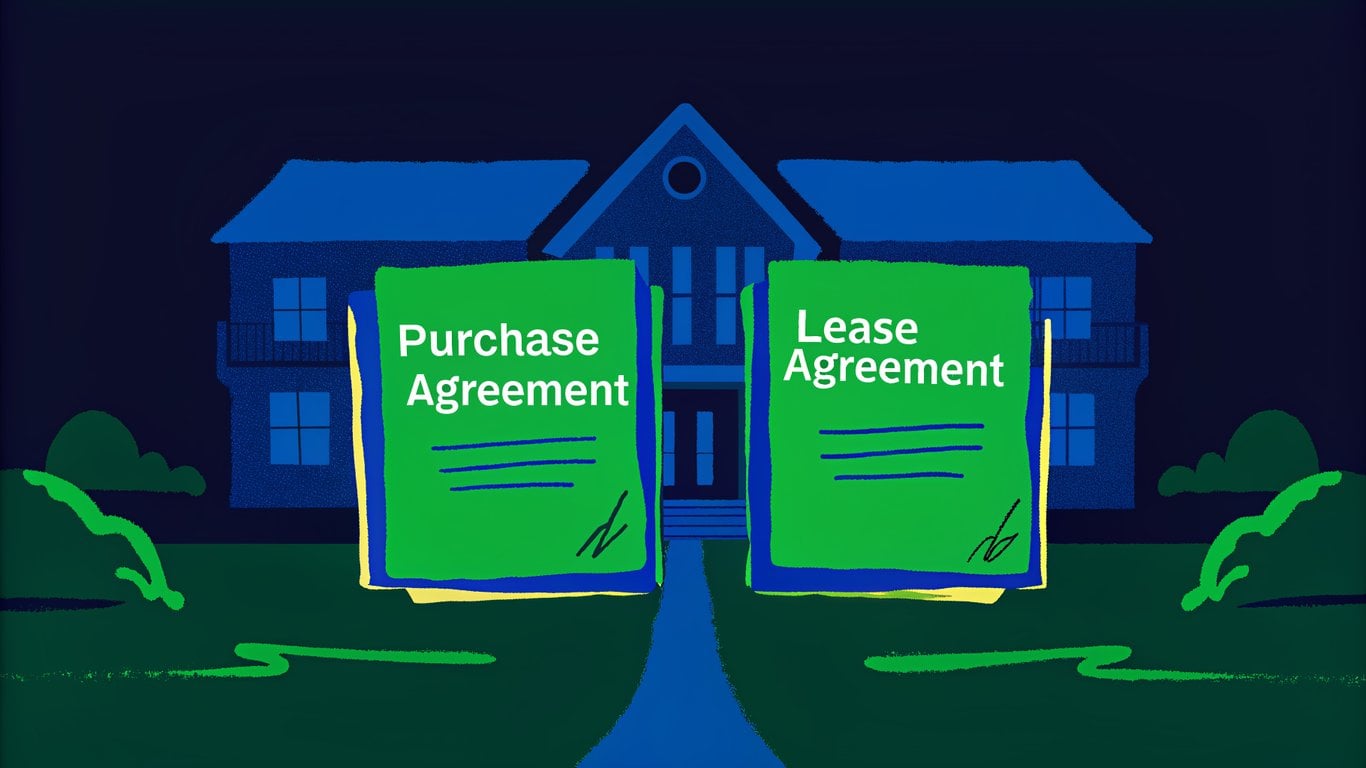
You’ll negotiate two separate agreements. The purchase agreement covers the sale price, closing date, and standard home sale terms. The lease agreement outlines your rent amount, lease duration, security deposit, and responsibilities as a tenant.
After closing, ownership transfers to the buyer. You receive your proceeds (minus any debts, closing costs, and fees). Then you immediately transition from homeowner to renter, usually without moving a single box.
The whole transaction can move quickly. Some leaseback companies close in as little as two weeks, though traditional sales with rent-back clauses follow normal timelines of 30 to 45 days.
Types of Sale-Leaseback Arrangements
Short-term rent-backs are the most common. According to Redfin, these post-settlement occupancy agreements let sellers stay for a predetermined period after closing, typically 30 to 60 days. You’re buying yourself time to find your next place without the hassle of temporary housing.
Long-term leasebacks involve specialized companies that buy your home specifically to rent it back to you. These arrangements can last six months, a year, or longer. The companies are investors looking for rental properties, and you’re their built-in tenant.
Some programs offer lease-to-own options where you might eventually buy the home back. But these are less common and come with their own complications.
Key Players Involved
Several types of buyers participate in these transactions. Institutional investors and specialized leaseback companies actively seek these deals. They’ve built business models around buying homes and renting them back to sellers.
Traditional homebuyers sometimes agree to short-term rent-backs, especially in competitive markets where offering flexibility helps sellers choose their offer. Real estate investors looking for rental properties might also be interested.
You’ll probably work with a real estate agent who can help negotiate terms and find suitable buyers. A real estate attorney should review your agreements to protect your interests. Some people also consult financial advisors to understand the tax implications.
Timeline Expectations
Short-term arrangements move on standard home sale timelines. You’ll need a few weeks for inspections, appraisals, and closing, then you stay for the agreed period afterward.
Long-term leasebacks can close faster since you’re often dealing with cash buyers who don’t need mortgage approval. Some companies advertise closings in two to three weeks.
Lease durations vary widely. You might negotiate anywhere from a few months to several years, depending on the buyer’s goals and your needs. Just know that longer leases aren’t guaranteed, and terms can change at renewal time.

Financial Structure and Pricing
Sale prices in leaseback deals often come in below market value. Buyers are taking on the complexity of having you as a tenant, so they typically want a discount. How much depends on the arrangement and local market conditions.
Rent calculations usually reflect current market rates for similar properties in your area. Some agreements tie rent to a percentage of the purchase price. You’ll probably pay a security deposit, just like any rental.
Payment terms are straightforward. Monthly rent, due on a specific date, with late fees if you miss the deadline. Some agreements include annual rent increases tied to inflation or market rates.
Pros of Sell-and-Stay Programs for Houston Homeowners
Immediate Access to Home Equity Without Moving
The biggest advantage is getting cash without the chaos of moving. You can access tens or hundreds of thousands of dollars in equity while your kids stay in their rooms and your daily routine continues unchanged.
This matters when you’re facing financial pressure. Medical emergencies, business opportunities, or helping family members often can’t wait for you to find a new place, pack, and relocate.
Flexibility During Life Transitions
Divorce situations benefit from this arrangement. One spouse can buy out the other’s equity without forcing an immediate move. Job changes with uncertain timelines become manageable. You’ve sold the house, but you’re not scrambling to leave before you’re ready.
If you’re building a new home, construction delays won’t leave you homeless. You’ve already sold and have your money, but you’re not stuck in temporary housing waiting for your builder to finish.
Avoiding Double Moves and Temporary Housing
Moving is expensive and exhausting. Doing it twice in a short period is worse. Temporary housing costs add up quickly, whether you’re renting a furnished apartment or staying in extended-stay hotels.
A rent-back clause eliminates this problem entirely. You move once, when you’re actually ready, into your permanent next home.
No Debt Accumulation
Unlike home equity loans or HELOCs, you’re not taking on new debt. You’re converting equity to cash through a sale. There’s no loan to repay, no interest accumulating, no risk of foreclosure if you can’t make payments.
This distinction matters for your credit and financial flexibility. You’re trading ownership for cash, not borrowing against your home.
Maintaining Community Connections
Your kids don’t have to switch schools mid-year. You’re still close to work. Your neighbors are the same people you’ve known for years. The coffee shop where everyone knows your order is still around the corner.
These connections have real value, especially during stressful life transitions. Maintaining stability in one area of your life while other things change can make a huge difference.
Cons and Risks of Sell-and-Stay Programs
Loss of Homeownership and Equity Growth
You’re giving up ownership. That means you won’t benefit if Houston’s real estate market continues appreciating. If your neighborhood becomes more desirable and home values climb, that wealth goes to your landlord, not you.
You also lose the pride and security of homeownership. Some people find this emotionally difficult, even when it makes financial sense.
Rent Increases and Lease Terms
Your rent can increase over time. Many leases include annual escalation clauses. What seems affordable now might strain your budget in a few years.
Lease renewals aren’t guaranteed. When your term ends, the landlord might not want to renew, or they might offer terms you can’t accept. You could end up forced to move anyway, just later than you would have originally.
Reduced Control Over Your Property
You can’t paint the walls without permission. Major renovations are off the table. You’re living in someone else’s property now, subject to their rules and approval.
Maintenance responsibilities shift too. Some things become the landlord’s problem, but you might be responsible for more than you’d expect. Read your lease carefully to understand who handles what.
Potential for Below-Market Sale Prices
Leaseback buyers know they’re offering convenience, and they price accordingly. You’ll probably get less than you would in a traditional sale where you move out at closing.
How much less varies. In competitive markets, the discount might be small. In slower markets or with specialized leaseback companies, it could be significant.
Tax Implications
Selling your home triggers potential capital gains taxes, though many homeowners qualify for exclusions. You’ll lose homeowner tax benefits like mortgage interest deductions.
The tax situation gets complicated, and everyone’s circumstances differ. Talk to a tax professional before committing to understand your specific implications.
Risk of Eviction or Non-Renewal
If the new owner decides to sell the property, you might have to leave. If they want to move in themselves or have other plans, your lease might not get renewed.
You’re also subject to eviction if you violate lease terms or fall behind on rent. The emotional impact of being evicted from what used to be your own home can be devastating.
When a Sell-and-Stay Program Makes Sense for Houston Homeowners
Financial Hardship or Debt Relief Needs
If you’re facing foreclosure, a leaseback can save your credit while keeping you housed. You get cash to pay off debts, and you buy time to stabilize your finances without the trauma of forced eviction.
Medical bills, business debts, or other financial emergencies sometimes require immediate access to large amounts of cash. If your home equity is your only significant asset, this might be your best option.
Retirement Planning and Aging in Place
Seniors who want to stay in their homes but need retirement income face a tough choice. Reverse mortgages are one option, but they come with their own complications and restrictions.
A leaseback converts home equity to cash without monthly loan payments. You get money for retirement expenses while staying in your familiar neighborhood, near your doctors and friends.
Divorce or Estate Settlements
Divorce often requires splitting home equity quickly. One spouse might need their share of the money now, but the other isn’t ready to move. A sale-leaseback solves both problems.
Estate settlements sometimes need similar solutions. Heirs want their inheritance, but one family member is living in the house and needs time to relocate.
Bridge Financing for New Home Purchase
You’ve found your dream home, but you need cash from your current house to buy it. A leaseback gives you the money immediately while letting you coordinate your move on your timeline.
This works especially well when you’re building a new home. You get your equity out now, use it for your new construction, and stay put until the house is ready.
Job Relocation with Uncertain Timeline
Corporate relocations don’t always come with firm dates. You know you’re moving to Dallas or Austin eventually, but the exact timing keeps shifting.
Selling now with a leaseback removes the uncertainty. You’ve completed the sale, you have your money, and you can move when the timing actually works.
When It Doesn’t Make Sense
If you can afford to stay in your home and don’t urgently need cash, don’t sell. If you’re counting on home appreciation for your financial future, giving up ownership is probably a mistake.
When you can access cash through refinancing or home equity loans at reasonable rates, those options let you keep ownership. If you’re emotionally attached to owning your home, the psychological cost might outweigh the financial benefits.
Finding Sell-and-Stay Options in Houston
Types of Companies Offering Sale-Leaseback Programs
Several types of companies operate in this space. Institutional investors and specialized leaseback firms have built entire business models around these transactions. They’re looking for rental properties and you’re offering one with a built-in tenant.
Some iBuyer companies offer leaseback options as part of their services. Real estate investment firms sometimes participate, especially those focused on single-family rentals.
Private investors might also be interested, particularly if they’re looking for rental properties in your neighborhood.
Working with Houston Real Estate Agents
A good local agent can help you negotiate rent-back agreements with traditional buyers. They know which buyers might be flexible and how to structure offers that include post-closing occupancy.
Agents can also connect you with investors and leaseback companies operating in Houston. They’ve probably worked with these buyers before and can guide you through the process.
Questions to Ask Before Signing
Before you commit, get clear answers about the important details:
- What’s the exact monthly rent, and when can it increase?
- How long is the lease term, and what are renewal options?
- What happens if the property is sold during my lease?
- Who’s responsible for maintenance and repairs?
- What’s the security deposit, and under what conditions do I get it back?
- Can I terminate the lease early if needed?
- Are there restrictions on how I use the property?
- What’s the process if I want to buy the home back?
Red Flags to Watch For
Be wary of buyers who pressure you to sign quickly without time to review documents. Extremely low sale prices that seem too good to be true probably are.
Watch out for vague lease terms or agreements that heavily favor the buyer. If the company won’t let you have an attorney review the contracts, walk away.
Excessive fees, unclear rent calculations, or promises that aren’t in writing are all warning signs. Trust your instincts. If something feels wrong, it probably is.
Comparing Multiple Offers
Don’t accept the first offer you receive. Talk to several buyers and compare their terms side by side. Look beyond just the sale price to consider rent amounts, lease duration, and flexibility.
Create a simple comparison chart with the key terms from each offer. Sometimes a slightly lower sale price comes with much better lease terms, making it the better overall deal.
Alternatives to Consider Before Choosing a Sell-and-Stay Program
Home Equity Loans and HELOCs
If you need cash but want to keep your home, borrowing against your equity might work better. Home equity loans give you a lump sum with fixed payments. HELOCs work like credit cards, letting you borrow as needed.
You’ll pay interest, and you’re taking on debt. But you maintain ownership and keep any future appreciation.
Reverse Mortgages for Seniors
Homeowners 62 and older can access equity through reverse mortgages without monthly payments. The loan gets repaid when you sell, move out, or pass away.
These come with their own costs and complications, but they let you stay in your home as an owner, not a renter.
Traditional Sale with Rent-Back Clause
You can sell your home the traditional way and negotiate a short-term rent-back period. This gives you 30 to 60 days to find your next place without the complexity of a long-term leaseback.
You’ll probably get a better sale price than with specialized leaseback companies, though you won’t have the option to stay long-term.
Cash-Out Refinancing
Refinancing your mortgage for more than you owe lets you pocket the difference. You get cash, keep your home, and might even lower your interest rate if market conditions are favorable.
This only works if you have enough equity and can qualify for the new loan. But it’s worth exploring before you give up ownership.
Renting Out Part of Your Home
If you need income rather than a lump sum, consider renting a room or building an accessory dwelling unit. You generate monthly cash flow while maintaining ownership.
This requires sharing your space or investing in construction, but it might solve your financial needs without selling.
Making the Right Decision for Your Houston Home
Key Takeaways About Sell and Stay Program Houston Options
Sale-leaseback arrangements solve specific problems. They give you cash while letting you stay put, which matters when you’re facing financial pressure or life transitions that require both money and time.
But you’re giving up ownership and future appreciation. You’re becoming a tenant in what used to be your home. That trade-off makes sense for some people in certain situations, but it’s not a universal solution.
The financial terms matter enormously. Sale prices, rent amounts, lease duration, and renewal options all affect whether this works for you. Don’t rush into anything without understanding exactly what you’re agreeing to.
Next Steps for Interested Homeowners
Start by getting your home valued. You need to know what it’s worth before you can evaluate offers. Talk to a few real estate agents about current market conditions in your neighborhood.
Review your finances carefully. How much cash do you actually need? Could you access it through other means? What can you afford for monthly rent?
Reach out to multiple buyers and compare their offers. Don’t commit to the first company that contacts you. Take your time and understand all your options.
Resources and Professional Help
Work with professionals who can protect your interests. A real estate attorney should review any agreements before you sign. They’ll spot problematic clauses and help negotiate better terms.
A financial advisor can help you understand the tax implications and whether this makes sense for your overall financial picture. They might identify alternatives you haven’t considered.
Local real estate agents who know Houston’s market can connect you with reputable buyers and help you navigate the process. They’ve seen these transactions before and can guide you through the details.
This is a big decision with long-term consequences. Take your time, ask questions, and make sure you understand exactly what you’re getting into before you commit.