Understanding Down Payment Assistance in Texas: Your Path to Homeownership
Texas home prices are still no joke. Recent reporting from the Texas A&M Real Estate Research Center shows the statewide median price in the mid to high $300,000s, depending on the month and metro. If a 3 to 5 percent down payment already feels out of reach, you are not alone. That is exactly why down payment assistance exists in Texas.
Here is the simple version. Down payment assistance Texas programs provide money to help cover your upfront costs to buy a home. That usually means your down payment plus some or all of your closing costs. The help comes in two common forms: grants and forgivable loans.

Grants are the easy one. It is free money you do not repay. Forgivable loans are different. You get a second, small loan that is forgiven over time if you meet the rules, like living in the home as your primary residence. With major Texas programs such as those from the Texas State Affordable Housing Corporation (TSAHC), that forgiveness period is typically three years. Sell or refinance too early and you may have to pay some or all of it back. Stay put and the balance goes to zero.

You probably want the bottom line first. Some programs in Texas offer up to $15,000 in assistance. We will explain the details behind that figure, who it is for, and the price limits that apply. If you have heard about Texas housing assistance grants or first-time homebuyer programs Texas lenders talk about, this guide connects those names to real steps you can take.
Can I qualify? Here is a quick gut check I use with buyers before we go deep. If most of these sound like you, you are in the ballpark.
- You plan to buy a primary residence in Texas, not an investment or second home
- Your credit score is roughly 620 or higher
- Your household income is within a program’s limit, often around 80 to 120 percent of your area’s median income
- You are willing to complete a homebuyer education course
- You will use a participating lender approved for affordable housing programs
A few misconceptions tend to keep good buyers on the sidelines. You do not always have to be a first-time buyer. Many Texas programs allow repeat buyers if you meet income, price, and occupancy rules. Your credit does not have to be perfect either. A 620 minimum is common across the big programs run by TSAHC and the Texas Department of Housing and Community Affairs (TDHCA). And yes, you can typically use assistance with FHA, VA, USDA, or conventional loans, as long as your lender is approved for the program.
What you will learn here is practical and specific to Texas. We will cover the major state options like TSAHC and TDHCA, plus touch on city and county offerings that layer on top of state help. We will show you where the up to $15,000 number fits, what income and price limits look like, which professions get special access, and how to apply step by step. You will also see how Mortgage Credit Certificates can add annual tax benefits on top of down payment help, which is an underrated combo for many buyers.
I work with Texas buyers week in and week out, including in Houston, Dallas-Fort Worth, Austin, San Antonio, and plenty of smaller communities. The details shift by county and price point. The core playbook is consistent. Understand your income limit, confirm your credit score, choose the right program with an approved lender, then structure your offer so the assistance is ready at closing.
If you are here because the monthly payment is fine but the upfront cash feels impossible, down payment assistance is probably your bridge. Next, we will break down what these programs actually cover, how grants differ from forgivable loans in real life, and which Texas programs fit different buyer profiles.

Major Down Payment Assistance Programs Available in Texas
Texas has several strong, state-backed options for down payment help. They target different buyers and needs, but they share a few threads. Most pair a fixed-rate mortgage with either a grant or a forgivable second lien for your down payment and closing costs. Most use income limits tied to area median income Texas data, and most expect a 620 credit score or higher. Below, I break down the big names and how they actually work.
Texas State Affordable Housing Corporation (TSAHC) Programs
TSAHC is a Texas nonprofit created by the state legislature to expand homeownership access. It runs two flagship options that many buyers lean on: Homes for Texas Heroes and Home Sweet Texas. You work with a participating lender. You complete a homebuyer education course. Then you choose your assistance structure.
- Assistance format: a true grant that does not have to be repaid, or a deferred, forgivable second lien that is typically forgiven after a set period if you keep the home and do not refinance or move.
- Typical assistance size: many TSAHC programs offer options equal to about 3 to 5 percent of your loan amount. That usually covers the minimum down payment plus some closing costs.
- Basic eligibility: income must fall under program caps that vary by county and household size. Properties must be primary residences within Texas and under program price limits.
- Minimum credit: TSAHC lists 620 as the standard minimum across its programs.
- Extras: TSAHC also offers Mortgage Credit Certificates for qualified first-time buyers, which can lower your federal tax bill each year.
Both TSAHC programs use approved lenders who know these files cold. That matters. Underwriters have to layer in grant or second-lien documents correctly, and a seasoned lender prevents last-minute snags.
Texas Department of Housing and Community Affairs (TDHCA) Programs
TDHCA is the state housing agency. Its TDHCA homebuyer assistance lineup centers on two mortgages that can be paired with down payment help: My First Texas Home and My Choice Texas Home. Both are 30-year fixed-rate mortgages with assistance layered on top, but they serve slightly different buyers.
- My First Texas Home: built for first-time buyers, defined as not owning a home in the past 3 years, or qualified veterans. Down payment assistance is typically offered as a percentage of the loan amount. The aid may come as a grant option or a 0 percent, deferred second lien that is repaid if you sell, refinance, or pay off the first mortgage.
- My Choice Texas Home: often open to both first-time and repeat buyers. It also offers assistance as a percentage of the loan amount, with similar grant or second-lien structures depending on the rate option you choose.
- Eligibility: income and purchase price caps vary by county and family size. A 620 credit score is commonly the floor. Homebuyer education is required.
- Add-ons: TDHCA also administers a Mortgage Credit Certificate program for eligible first-time buyers.
The practical difference most buyers notice. TSAHC tends to brand its assistance more around professions and income tiers, while TDHCA leans into first-time homebuyer programs Texas wide and flexible rate-and-assistance choices. In the real world, smart buyers compare both and pick the one whose rate plus assistance mix nets the best monthly and upfront numbers.
The $15,000 HIP Assistance Program Explained
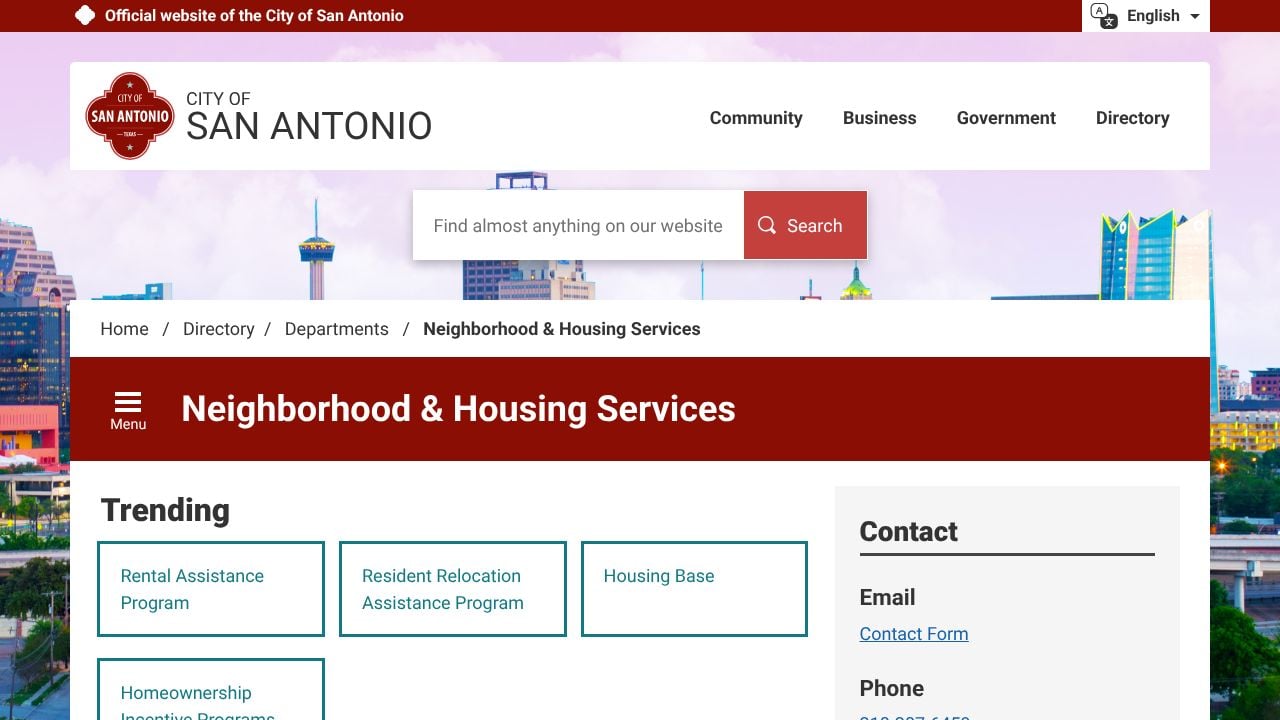
You might have seen the common question about getting $15,000 for down payment help in Texas. That refers to HIP 120, the Homeownership Incentive Program run by the City of San Antonio. HIP 120 typically serves buyers earning 81 to 120 percent of area median income. It provides between $1,000 and $15,000 in assistance. The program has published purchase price limits of $244,000 for pre-owned homes and $257,000 for new construction. Those limits and the max assistance can change, so double-check the latest details on the city’s site at sanantonio.gov/NHSD before you apply.
A few quick notes on HIP 120 so you are not surprised. It is a local program, not statewide. Funds can be limited and offered first come, first served. Income is verified carefully using HUD-style rules, and the home must be within San Antonio city limits to qualify.
Homes for Texas Heroes Program
Heroes in Texas get a dedicated path through TSAHC’s lineup. If you work in one of these roles, you probably qualify for the hero home loan Texas option paired with down payment help:
- Educators (including teachers and school staff, typically at public schools or accredited institutions)
- Police officers
- Firefighters
- EMS personnel
- Corrections officers
- Veterans and active-duty service members
- Nursing faculty (and in some cases allied health faculty) at Texas colleges or universities
Heroes receive the same core assistance structures as TSAHC’s other option. You pick either a grant or a forgivable second lien layered with a fixed-rate mortgage. Income and purchase price caps still apply. A 620 credit score is the common minimum. Find current criteria directly with TSAHC or an approved lender.
My First Texas Home and My Choice Texas Home Programs
These two TDHCA workhorses cover a huge share of TDHCA homebuyer assistance in the state. Here is how they usually differ in practice.
- Buyer profile: My First Texas Home targets first-time buyers and certain veterans. My Choice Texas Home is available to both first-time and repeat buyers who meet income and purchase price limits.
- Assistance amount: commonly 2 to 5 percent of the loan amount, chosen via rate-and-assistance options. The higher the grant, the higher the interest rate tends to be.
- Assistance structure: grant or deferred second lien, depending on the option. The second lien generally requires no monthly payment and is repaid if you sell, refinance, or pay off the first mortgage before the forgiveness terms are met.
- Core rules: 620 minimum credit score is typical, homebuyer education is required, and properties must be owner-occupied and under county-specific price caps.
If you are choosing between TSAHC programs and TDHCA’s My First or My Choice, compare the full package. That means interest rate, assistance amount, whether it is a grant versus a forgivable second lien, and any recapture or forgiveness timelines.
| Program Name | Assistance Amount | Income Requirements | Credit Score Minimum | Special Features |
|---|---|---|---|---|
| TSAHC Homes for Texas Heroes | Typically ~3% to 5% of loan amount as a grant or forgivable second lien | Must fall under TSAHC county and household income caps | 620 (commonly listed) | Profession-based eligibility; can pair with TSAHC Mortgage Credit Certificate |
| TSAHC Home Sweet Texas | Typically ~3% to 5% of loan amount as a grant or forgivable second lien | Income limits vary by county and household size | 620 (commonly listed) | Open to a broad set of buyers who meet income and purchase price limits |
| TDHCA My First Texas Home | Commonly 2% to 5% of loan amount; grant or deferred second lien depending on option | First-time buyers or qualified veterans under TDHCA income caps | 620 (typical) | Pairs with fixed-rate 30-year mortgage; homebuyer education required |
| TDHCA My Choice Texas Home | Commonly 2% to 5% of loan amount; grant or deferred second lien depending on option | Income and price caps by county; open to first-time and repeat buyers | 620 (typical) | Flexible buyer eligibility compared with My First; MCC may be available |
| City of San Antonio HIP 120 | $1,000 to $15,000 | 81% to 120% of area median income; San Antonio city limits | Lender overlays may apply; many require 620+ | Local program; published price limits: $244,000 pre-owned, $257,000 new construction |
Program terms change, so always verify current income and price limits on the official pages linked above. And if this feels like alphabet soup, real estate pros like Allen Markel routinely quarterback these files and keep the moving parts aligned from pre-approval to closing.
Grant vs. Forgivable Second Lien: What it means for you
Most Texas programs give you a choice. A grant is the simplest. You receive assistance at closing and never pay it back. The tradeoff is usually a slightly higher interest rate to cover the cost of the grant. A forgivable second lien is different. The aid is recorded as a small second mortgage with no monthly payment. If you keep the home for the full forgiveness period and follow the rules, the balance is forgiven. If you sell or refinance too early, you repay some or all of it. This is why comparing interest rate, assistance amount, and any forgiveness clock together is the smart move.
Purchase price limits also matter. TSAHC and TDHCA set maximum home prices that vary by county and program. HIP 120 publishes citywide limits. If your dream home is even a few thousand over the cap, the lender cannot apply the assistance. So confirm those limits before you start touring homes.
Eligibility Requirements and Qualification Criteria
Texas offers several paths to down payment help, but the gatekeeping rules are pretty similar across programs. Whether you look at the Texas State Affordable Housing Corporation (TSAHC) or the Texas Department of Housing and Community Affairs (TDHCA), you will see common checks on credit, income, property, and occupancy. The details vary by program and loan type. The framework is the same: prove you can repay the mortgage, meet the program’s income and price caps, and buy a primary residence in Texas.
Credit Score Requirements: The 620 Minimum Standard
Across the major first-time homebuyer programs Texas uses for down payment assistance, a 620 credit score is the standard minimum. TSAHC confirms a 620 floor for its assistance options, and you will see similar credit score requirements applied by TDHCA through its participating lenders Texas partners. Some loan types can approve scores below 620 in general mortgage lending, but the DPA overlay usually brings the minimum back to 620. Think of 620 as the line where automated underwriting starts to open up and rates and fees are still workable.
If you are under 620, it is not the end of the road. You probably need a short period of cleanup and consistency. A few practical moves can lift a borderline score faster than most people expect.
- Pull all three credit reports and fix obvious errors. You can start with AnnualCreditReport.com for free reports.
- Pay revolving balances down to roughly 30% or less of each card’s limit. Utilization swings scores quickly.
- Avoid opening new accounts or closing old ones while you are qualifying. Stability helps.
- Set every bill on autopay for on-time history. Even one 30-day late can hurt a lot at the edge.
- If thin credit is the problem, consider a secured card or credit-builder loan and give it a few months.
Lenders do not look at score alone. They evaluate the whole file: income stability, debts, savings, and the property. That is why you want a lender approved by the specific Texas homeownership assistance program you plan to use. They know the overlays and can tell you exactly what to fix first.
Income Limits and Area Median Income Explained
Most Texas down payment help is tied to area median income Texas data, often called AMI. AMI is the income number where half of households in an area earn more and half earn less. The U.S. Department of Housing and Urban Development updates AMI every year by county and household size. You can view the official tables on HUD’s site here: HUD Income Limits.
Programs set eligibility using AMI percentages. Many first-time homebuyer programs Texas residents use target buyers at or below 80% AMI, while other options stretch to 100% or even 120% AMI. That band is common because it captures moderate-income households that can afford monthly payments but need help with upfront cash.
Here is a simple way to think about it. If the AMI in your area were $80,000, then 80% AMI would be $64,000, 100% AMI would be $80,000, and 120% AMI would be $96,000. Your household’s qualifying income needs to fall within the program’s allowed range, which typically sits somewhere between 80% and 120% of AMI. The actual limits change by county and by household size, so a family of four is evaluated differently than a single buyer in the same city.
- Confirm your county and household size.
- Look up the current AMI limits for your area using HUD tables or the program’s eligibility tool on TSAHC or TDHCA.
- Multiply AMI by the program’s percentage band, then compare with your qualifying income as calculated by your lender.
A quick note on income calculations. Programs and lenders look at qualifying income, not just gross pay. Overtime, bonuses, and self-employed income usually must be consistent and documented to count. Your lender will walk through what to include and what to exclude, which can shift you in or out of a program’s income window.
What Disqualifies You From Down Payment Assistance
Rules vary a bit by program, but the same red flags show up again and again. If one or more of these apply, a lender will likely say no until the issue is resolved.
- Income over the program limit. If your qualifying income exceeds the cap for your county and household size, you will not be eligible. Many programs top out around 100% to 120% of AMI.
- Credit score below 620. 620 is the common minimum for Texas DPA programs. Scores below that typically are not accepted until improved.
- Owning a home without meeting the first-time buyer exception. If the program requires first-time status and you owned a home in the past 3 years, you likely will not qualify for that program.
- Purchase price above the program’s limit. Each program publishes maximum home prices by area. Going over the cap disqualifies the property.
- Investment properties or second homes. DPA funds are for primary residences only.
- Insufficient employment history or unverifiable income. Lenders usually want a 2-year history in the same line of work, or a clear explanation for gaps and changes.
- Recent bankruptcy or foreclosure. Waiting periods apply by loan type. If the event is too recent, you will need to wait until the required time has passed.
- Debt-to-income ratio too high. Your monthly debts compared to your income must fit the loan and program guidelines. Caps often land in the 40% range, depending on the loan.
- No completed homebuyer education. Major Texas programs require an approved course certificate before closing.
- Property condition or appraisal issues. If the home does not meet minimum standards or the appraisal comes in short and cannot be resolved, assistance cannot be used.
Two quick tips if you are close. First, check whether a different Texas homeownership assistance program has higher income or price caps that fit you better. Second, ask an approved lender if a different loan type would solve the DTI or credit issue without breaking program rules.
First-Time vs. Repeat Homebuyer Definitions
First-time homebuyer has a specific meaning in this context. It usually means you have not owned a home in the past 3 years. If you sold your home more than 3 years ago or were removed from title and have been renting since, many first-time homebuyer programs Texas offers will treat you as first-time again. If you owned within the last 3 years, you are considered a repeat buyer for most programs.
Repeat buyers are not shut out. Some state programs in Texas allow non-first-time buyers who meet income and property limits, especially when the goal is to improve affordability for moderate-income households. TDHCA and TSAHC outline which of their options accept repeat buyers on their program pages (TDHCA, TSAHC). Ask a lender to match your profile to the right path.
- If you were on title to a home in the last 3 years, you likely do not meet a first-time requirement today.
- If you owned a home more than 3 years ago, you probably do meet first-time status now.
- Some programs do not require first-time status. They focus on income, credit, and property instead.
Property Type and Location Requirements
Down payment assistance is designed for primary residences in Texas, not vacation places or rentals. Eligible homes are typically 1-unit properties such as single-family houses, townhomes, and many condos. Manufactured homes may be allowed on a case-by-case basis depending on the loan type and the lender. The property must meet minimum condition standards and pass appraisal and required inspections. You must plan to live in the home as your main residence, usually shortly after closing.
Every program sets price limits that vary by area. Homes must fall at or under the cap for your county or metro. That is why your agent and lender will track price ceilings alongside your budget. If your dream home is even a little over the limit, that specific DPA will not be available for that purchase.
Coverage is statewide. These programs are available across Texas through approved, participating lenders Texas homebuyers can work with in major metros like Houston, Dallas-Fort Worth, San Antonio, and Austin, and in smaller cities and rural counties as well. Local city or county programs sometimes add extra assistance on top, but they bring their own rules and paperwork. Always confirm the property address and program pairing with your lender before you make an offer.
Employment and residency checks round out the picture. Lenders usually want a 2-year employment history in the same field or strong documentation to explain changes. Self-employed buyers are commonly asked for 2 years of tax returns. You do not have to already live in Texas to use state programs, but you must buy in Texas and occupy the home as your primary residence to keep the assistance benefits.
If you take nothing else from this section, keep these anchors in mind. Aim for at least a 620 score. Keep your qualifying income inside the 80% to 120% AMI window the program specifies. Choose a primary residence within the price cap. And work with an approved lender tied to the program you want, since they know the exact rules and can save you weeks of back-and-forth.
Step-by-Step Application Process: From Eligibility to Closing
Buying with down payment assistance in Texas looks complicated on the surface. Break it into clear steps and it becomes manageable. Most buyers who stay organized finish in about 60 to 90 days. Use this roadmap to go from “maybe I qualify” to keys in hand without missing anything important.
Step 1: Complete a Homebuyer Education Course
A homebuyer education course is mandatory for all major Texas programs, including TSAHC programs and TDHCA homebuyer assistance. Plan on 6 to 8 hours total. You can take it online or in person. The course covers the full journey, not just the mortgage piece, which helps a lot once you are under contract.
- Budgeting and saving strategies that lenders actually care about
- How credit scores affect interest rates and program eligibility
- Mortgage basics: loan types, interest, PMI, and amortization
- Down payment assistance rules: grants vs. forgivable seconds
- Closing cost assistance Texas options and what they cover
- Home inspections, appraisals, and what can derail a deal
- Post-purchase budgeting and basic home maintenance
Action item: Finish the course early. Your certificate is valid for a set period, typically many programs accept it for up to 12 months, but confirm with your lender so it does not expire mid-process.
Step 2: Check Your Eligibility and Gather Documentation
Next, verify you meet the basics. Most programs look for a 620 credit score minimum, income within the program’s limits, and a primary residence in Texas. You can use the quick-check tools from TSAHC and TDHCA to see where you stand, then pull your documents. Having a complete file speeds everything up.
- Recent pay stubs for the last 30 days
- W-2s and/or federal tax returns for the last 2 years
- Bank statements for the most recent 2 to 3 months
- Government-issued ID and Social Security card
- Employment verification contact info
- Full credit report or permission for the lender to pull it
- Proof of Texas residency if requested
- If using gift funds: a gift letter and donor’s proof of funds
- If self-employed: year-to-date profit and loss, 2 years of business and personal returns
- If using a Mortgage Credit Certificate: ask about documents needed up front for a mortgage credit certificate Texas
Tip: Save everything as PDFs with clear file names. Underwriters review what they can read quickly. Clean files cut days off your timeline.
Step 3: Connect With an Approved Lender
Not every mortgage company handles down payment assistance. You need a lender that is approved by the specific program you plan to use. These are listed as participating lenders. In simple terms, an approved or participating lender in Texas is a company that has signed up with TSAHC or TDHCA, completed their training, and can reserve funds on your behalf. Start with the participating lender lists published by TSAHC and TDHCA and then interview two or three.
- How many TSAHC programs or TDHCA homebuyer assistance loans have you closed in the past year?
- Which down payment assistance option do you recommend for me and why?
- What is the minimum credit score for your DPA options?
- Can DPA be used for both down payment and closing costs in my case?
- How do you reserve DPA funds and how long does that reservation last?
- What will my total cash to close look like with this program?
- Do you also offer mortgage credit certificate Texas options and how do I apply?
- What could slow down underwriting for a DPA loan and how do we avoid it?
Action item: Work only with participating lenders Texas buyers can verify on the program websites. That protects you from surprises later.
Step 4: Submit Your Application and Get Pre-Approved
The pre-approval is more than a quick rate quote. For DPA, the lender collects your documents, pulls credit, and runs automated underwriting to confirm program fit. They will also match you to the right assistance option and explain the terms. If you are pairing assistance with an MCC, ask the lender to start that at the same time so nothing falls behind.
- Complete a full loan application with your chosen participating lender
- Upload your documents and authorize the lender to verify income and assets
- Lender issues a pre-approval letter that reflects the DPA program you plan to use
- The lender typically registers your file with the program so funds can be reserved
- You review estimated cash to close that includes down payment help and any closing cost assistance Texas allows for your program
Important: DPA funds are usually limited. Ask your lender when your reservation expires, what conditions must be met to keep it active, and what could cause a re-price.
Step 5: Find a Property and Make an Offer
Now search within your program’s purchase price limits and property rules. Some programs have county-by-county caps and require the home to be your primary residence. Your agent can filter MLS results to stay inside those lines. If you are using a forgivable second lien, remember it will show on title. That is normal for these loans.
- Ask your lender for the maximum price and estimated payment that still keeps you within program ratios
- Target homes that qualify for your first mortgage type and the DPA program rules
- Write offers that include standard financing and appraisal contingencies
- Tell the listing agent up front that you are using a state down payment assistance program so timelines are set correctly
- Request seller-paid concessions only if your lender confirms they fit program and loan limits
- Coordinate inspection dates quickly so underwriting stays on track
Some buyers need to buy first, then sell. That can be complicated with tight timelines. Experienced real estate pros can pair DPA-friendly financing with a trade-in approach so you do not lose your next home while exiting the current one. If that is you, see how to secure your next home before selling your current one.
Action item: Before you submit an offer, confirm with your lender that the home meets DPA rules and price limits. One quick check avoids expensive delays.
Step 6: Navigate the Closing Process With DPA Funds
Once you are under contract, your lender orders the appraisal and moves you into full underwriting. Title is opened with the escrow company. The DPA program sends funds directly to the closing table, not to you. Those dollars are applied to your down payment and, if allowed, part of your closing costs.
- Complete any remaining conditions from underwriting fast. Examples include updated pay stubs, letters of explanation, or closing disclosures to sign
- Wait for your clear-to-close, which confirms the DPA funds are locked in for your file
- Review the final Closing Disclosure. Make sure your assistance shows correctly and the cash-to-close matches expectations
- Bring your remaining funds in certified form according to title company instructions
- Sign loan documents, the DPA agreement, and occupancy certifications
Post-closing obligations: Plan to live in the home as your primary residence. Forgivable loans typically require you to keep the home and the first mortgage for a set period to earn full forgiveness. If you sell or refinance early, you may have to repay a portion. If you used an MCC, you can usually claim a tax credit each year you occupy the home and have eligible mortgage interest. Talk with your tax professional for how to file it correctly.
| Step | What happens | Typical duration |
|---|---|---|
| 1. Homebuyer education course | Complete required class online or in person and get certificate | 1 day to 1 week |
| 2. Eligibility + documents | Use TSAHC/TDHCA tools, gather pay stubs, W-2s, bank statements, IDs | 3 to 10 days |
| 3. Choose participating lender | Interview approved lenders, compare options, select one | 2 to 5 days |
| 4. Full application + pre-approval | Submit docs, credit pull, AUS, DPA funds reserved | 3 to 7 business days |
| 5. Home search + offer | Find a qualifying property and negotiate terms | 2 to 6 weeks |
| 6. Under contract to close | Appraisal, title work, underwriting conditions, final approval | 30 to 45 days |
| Total | Start to finish for most buyers who stay organized | About 60 to 90 days |
Deadlines to watch: your DPA reservation window, rate lock expiration if applicable, loan contingency dates, and the appraisal and option period timelines in your contract. Missed dates can delay funding.
Quick recap you can act on now: finish the homebuyer education course, confirm eligibility with the TSAHC and TDHCA tools, choose from participating lenders Texas buyers can verify on the program lists, and keep your documents clean and current. Do those four things well and the rest tends to move faster.
Maximizing Your Down Payment Assistance: Tips, Strategies, and Next Steps
Small tweaks in how you use down payment assistance can be the difference between scraping by at closing and saving thousands over the life of your loan. When you understand how grants, forgivable second liens, and tax credits work together, you avoid common pitfalls and keep more cash in your pocket. This is where most buyers either shine or stumble. You do not need to be a finance pro. You just need a clear plan and a few smart checks along the way.
Combining DPA With Mortgage Credit Certificates
A Mortgage Credit Certificate (MCC) is one of the most underused tools in Texas. It is a federal income tax credit tied to the mortgage interest you pay each year. In Texas, programs from Texas State Affordable Housing Corporation (TSAHC) and the Texas Department of Housing and Community Affairs (TDHCA) offer MCCs to eligible buyers. The credit can be worth up to $2,000 per year, which directly reduces the taxes you owe. That is not a deduction. It is a dollar-for-dollar credit. Pair it with down payment assistance and you lower both your upfront cash to close and your after-tax cost of owning the home.
How it works in practice: your down payment assistance covers part of your down payment and often some closing costs. Your MCC then kicks in each year you pay mortgage interest. Some homeowners adjust their paycheck withholding after closing so they see the benefit throughout the year rather than waiting for tax time. Talk to a tax pro before you do that. Not every situation is the same.
Typical MCC eligibility in Texas: you are a first-time buyer as defined by not owning in the last three years. Veterans and buyers in certain targeted areas are often exempt from the first-time rule. Income and purchase price limits apply and they vary by county and household size. You must occupy the home as your primary residence and work with a participating lender. A homebuyer education course is required. One more thing most guides skip. There can be a federal recapture tax if you sell within the first nine years, your income rises over program limits, and you have a gain. It does not affect most sellers, but it is real. Review the IRS guidance for details: IRS Form 8828.
If you are searching for the phrase “mortgage credit certificate Texas,” you are on the right track. MCCs often pair with Texas homeownership assistance from TSAHC or TDHCA. Lenders that offer both can walk you through the math. The combined benefit is what matters. Lower cash to close with DPA. Lower tax bill with an MCC.
Understanding Grant vs. Forgivable Loan Options
Down payment assistance typically arrives in two flavors. A grant is free money with no repayment. A forgivable second lien is a form of deferred payment assistance. It sits as a zero-interest, no-monthly-payment second mortgage for a set period. If you meet the rules for that entire period, it is forgiven. In Texas programs, that period is often three years. If you sell, refinance, move out, or otherwise break the occupancy rule before it is forgiven, you usually repay some or all of it. Policies vary by program, so read the note you sign at closing.
| Scenario | $10,000 Grant | $10,000 Forgivable Second Lien (typical 3-year forgiveness) |
|---|---|---|
| Sell or refinance in Year 1 | No repayment owed | Repayment likely required; many programs require full or mostly full payoff of remaining balance |
| Sell or refinance in Year 2 | No repayment owed | Repayment of remaining unforgiven balance; some programs prorate monthly |
| Still own and occupy at end of Year 3 | No repayment owed | Balance typically forgiven in full; lien released |
| Sell in Year 5 (after staying 3+ years) | No repayment owed | No repayment owed if fully forgiven after Year 3 |
Grants are simple, which is why many buyers prefer them. Forgivable seconds can be just as good if you plan to stay put. They sometimes come with better interest rates than the grant option. The tradeoff is flexibility. If you think you may refinance soon or relocate for work, the grant might be the safer route. If you are likely to stay three years or more, the forgivable second lien can be a smart bet.
Important: refinancing can trigger repayment on a forgivable second, even if you stay in the home. There are exceptions in some programs, but you should not assume. Always ask your lender to explain your specific forgiveness schedule and any refinance restrictions in writing.
Common Mistakes to Avoid When Applying
- Waiting on the homebuyer education course. Do it early so your certificate is ready when you apply. Many Texas programs require it before loan reservation.
- Using a lender that is not program-approved. Only participating lenders can originate these loans. Verify on TSAHC or TDHCA sites.
- Shopping outside price limits. Every affordable housing program sets maximum purchase prices. Ask your agent to filter listings within those caps.
- Letting your credit dip before closing. New debt or late payments can knock you below the typical 620 minimum. Keep balances low and avoid opening accounts.
- Thin documentation. Missing pay stubs, tax returns, or bank statements will stall underwriting. Build a clean file upfront.
- Ignoring post-closing rules. Occupancy requirements matter. Move out or refinance too soon and that deferred payment assistance can become due.
What to Do If You Don’t Qualify for State Programs
If your income is a bit too high or your credit is not quite there yet, you still have options. Texas homeownership assistance is not one-size-fits-all. Here are solid Plan B paths that many buyers use successfully.
- City or county programs. Many local housing departments offer their own down payment or closing cost assistance Texas buyers can use. Income and price limits vary. Check your city or county housing website for current details.
- Employer assistance. Some hospitals, universities, and large companies provide down payment help or matched savings. HR can tell you if your benefits include this.
- Nonprofit grants. Local nonprofits sometimes offer small grants or matched-savings accounts for first-time buyers. Availability is limited and competitive.
- Conventional 3% down loans. Fannie Mae HomeReady and Freddie Mac Home Possible allow as little as 3% down and flexible sources for that down payment, including family gifts.
- FHA loans with 3.5% down. FHA-insured mortgages are widely used by first-time buyers with modest credit. Learn the basics at HUD.gov.
- Family gift funds. A properly documented gift from family can cover part or all of your down payment and closing costs. Your lender will provide the required gift letter format.
One more thought. If your timing is flexible, a few months of credit cleanup can open the door to state-level affordable housing programs with better terms. Paying down revolving balances, disputing clear errors, and making on-time payments can move a 600 score closer to that common 620 mark faster than most people think.
Timeline Expectations and Planning Your Home Purchase
Most buyers using down payment assistance in Texas move from homebuyer education to closing in about 3 to 6 months. Some finish faster. The key is to line up your steps and keep documents current. If you are also adding a mortgage credit certificate Texas providers offer, expect a little extra coordination with your lender, but it should not add major time if you start early.
- Homebuyer education timing. Courses take roughly 6 to 8 hours. Schedule it before you apply.
- Credit and savings readiness. Time to reach a typical 620 score, pay down balances, or season funds can add weeks.
- Lender capacity. Approved lenders that do a lot of DPA loans usually move faster through reservations and underwriting.
- Program fund availability. Some assistance is first-come, first-served. Reservations can pause if funds are temporarily allocated.
- Property condition and appraisal. Repairs flagged by appraisers, especially for FHA, can extend timelines.
- Title work. Liens or heirship issues can require extra documentation and time.
- MCC coordination. Getting the certificate issued must happen before closing. Starting it with your loan application keeps you on schedule.
- New construction. Build timelines are unpredictable. If you need extended rate locks, confirm they match your DPA rules.
If you like planning, create a simple calendar. Mark target dates for finishing education, submitting documents, locking a rate, and clearing conditions. Share it with your lender and agent so everyone is rowing the same direction.
Texas offers meaningful down payment help. You can often access up to $15,000, and you can choose between grant and forgivable second lien structures. Pairing that support with an MCC can reduce your annual tax bill, which stretches your budget a little further. Eligibility usually comes down to two things. Credit score at or above common program minimums and income within each program’s limits. The process asks for preparation, but it is absolutely doable. If you want the simplest path, work with a lender that regularly originates TSAHC and TDHCA loans and an agent who understands program price caps and property requirements.
Next step: complete your homebuyer education course and check eligibility with TSAHC or TDHCA. That one-two move unlocks the rest. And if a grant is not available when you apply, ask about deferred payment assistance options that still keep cash in your pocket at closing.