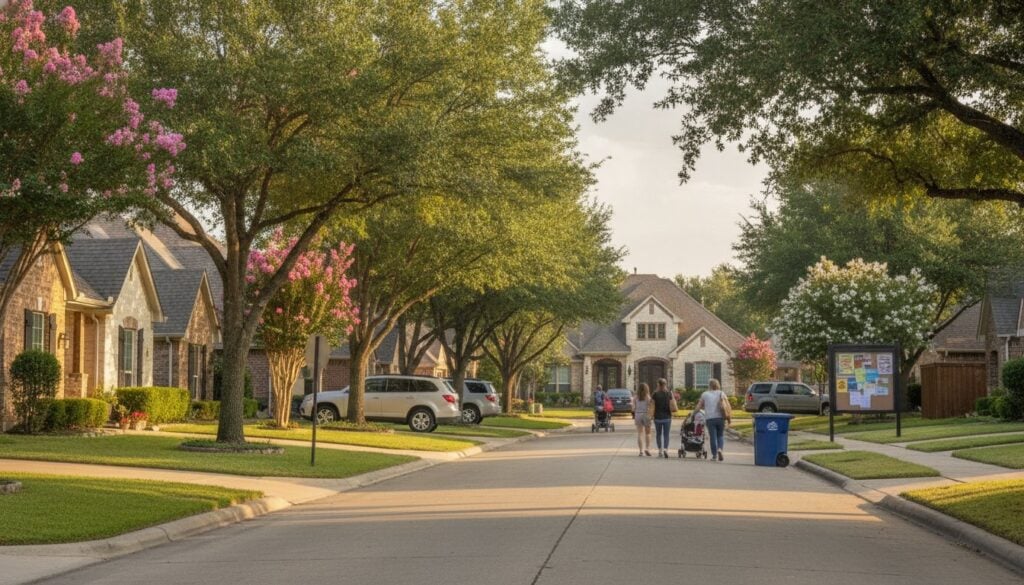
Selling a house in Texas isn’t quite like selling anywhere else. The market moves fast, cash buyers are everywhere, and the rules are different from what you’d find in California or New York. If you’re getting ready to sell, you need to understand what makes the Lone Star State unique.
This home selling guide walks you through everything from pricing to closing costs, with a focus on what actually matters in Texas. We’ll cover when to make repairs (and when to skip them), how to price competitively, and what you’ll really pay when you close.
The Current Texas Housing Market in 2026
Here’s something you should know: 28.4% of Texas home sales in 2025 were cash transactions, according to the National Association of Realtors. That’s up 2.1% from the previous year. Nearly 1 in 3 buyers are ready to purchase homes without financing, which changes the game for sellers.
Cash buyers typically care less about cosmetic issues. They’re often investors or people who want to close quickly. This trend has made selling as-is more viable than it’s been in years.
The market varies wildly by city. Austin and Dallas see different dynamics than smaller markets like Lubbock or Amarillo. But across the board, inventory remains relatively tight, which generally favors sellers.
What Makes Selling in Texas Different
Texas has some quirks you won’t find elsewhere. For starters, there’s no state income tax, which makes the state attractive to buyers. But property taxes? Those are high, and they matter to buyers evaluating your home.
The state uses standardized forms from the Texas Real Estate Commission. You’ll see contracts that include option periods (more on that later) and specific disclosure requirements that differ from other states.
Texas is also a non-disclosure state for sale prices in many counties, which can make pricing research trickier. You can’t always find exact sale prices for comparable homes as easily as you might in other markets.
Timeline: How Long Does It Take to Sell a House in Texas?
The timeline depends heavily on your approach. A traditional listing with repairs and staging might take 2-4 months from start to finish. That includes prep time, marketing, negotiations, and closing.
Selling as-is to a cash buyer? You could close in as little as 7-14 days if you’re motivated. The tradeoff is usually a lower sale price, but the speed can be worth it for sellers facing foreclosure, divorce, or probate situations.
Market conditions play a role too. In hot markets, well-priced homes can sell within days. In slower periods, you might wait weeks or months for the right offer.
Preparing to Sell: Making Critical Decisions
Repairs vs. Selling As-Is: The Complete Analysis
This is probably the biggest decision you’ll make. Should you invest in repairs or sell the house in its current condition?

Making repairs can increase your sale price, but not always by more than the repair costs. A kitchen renovation might cost $20,000 but only add $15,000 to your sale price. That’s a net loss.
Some repairs make sense almost always:
- Fixing obvious safety issues (broken stairs, electrical problems)
- Addressing major leaks or water damage
- Repairing broken HVAC systems in Texas heat
- Fixing foundation issues that scare buyers
Other repairs are judgment calls. Fresh paint usually pays off. New carpet might or might not. Cosmetic kitchen updates rarely return full value.
Selling as-is makes sense when you don’t have cash for repairs, need to sell quickly, or the property needs extensive work that you can’t afford or don’t want to manage.
Understanding As-Is Sales in Texas
Selling as-is is completely legal in Texas. But it doesn’t mean you can hide problems. You still need to complete a Seller’s Disclosure Notice that lists known issues with the property.
The disclosure covers everything from foundation problems to roof leaks to neighborhood nuisances. Lying on this form can get you sued after closing, so honesty is critical.
As-is doesn’t mean buyers can’t inspect. They can still hire inspectors during their option period. But you’re signaling upfront that you won’t make repairs based on inspection findings.
Choosing Your Selling Method
You’ve got three main paths: traditional listing with an agent, selling to a cash buyer, or using an iBuyer service.
Traditional listings typically get you the highest price but take the longest. You’ll pay agent commissions (usually 5-6% of the sale price) and deal with showings, negotiations, and potential deal failures.
Cash buyers like iBuyer.com offer speed and certainty. You’ll probably get less than market value, but you skip repairs, showings, and lengthy closing processes. This works well for inherited properties, distressed homes, or sellers who need to move fast.
iBuyer services (companies like Opendoor or Offerpad) fall somewhere in between. They make instant offers based on algorithms, but their fees can be substantial and they’re picky about which homes they’ll buy.
Special Situations: Divorce, Probate, and Foreclosure
Divorce sales require both spouses to agree on price and terms unless a court order says otherwise. These sales often need to happen quickly to split assets, making as-is sales common.
Probate sales in Texas require court approval in many cases. The executor needs legal authority to sell, and the process can take months. Cash buyers often work with probate situations because they understand the timeline constraints.
Facing foreclosure? You have options until the actual foreclosure sale date. Selling quickly to a cash buyer can help you avoid foreclosure on your credit report and potentially walk away with some equity.
Pricing Your Texas Home for Maximum Profit
Conducting a Comparative Market Analysis
Pricing starts with research. You need to know what similar homes in your area have sold for recently. Look for homes within a mile of yours, with similar square footage, bedrooms, and condition.
Focus on sales from the last 3-6 months. Older data doesn’t reflect current market conditions. In Texas’s non-disclosure counties, you might need an agent’s help accessing MLS data with actual sale prices.
Don’t just look at list prices on Zillow or Realtor.com. Those show what sellers want, not what buyers actually paid. Sold prices are what matter.
Factors That Impact Your Home’s Value in Texas
Location matters more than almost anything. A house in a top-rated school district commands a premium. Proximity to major employers, shopping, and highways affects value.
Property taxes are huge in Texas. Buyers calculate monthly payments including taxes, and high tax rates can kill deals. A home with $8,000 annual taxes will sell for less than an identical home with $5,000 taxes.
Condition obviously matters. Updated kitchens and bathrooms add value. So do new roofs, recent HVAC systems, and modern flooring. Foundation issues, old roofs, and outdated systems decrease value significantly.
Pricing Strategies: Competitive vs. Premium Pricing
Competitive pricing means listing at or slightly below market value to generate multiple offers. This works well in hot markets and can create bidding wars that push your final price above asking.
Premium pricing means listing above market value, hoping to catch a buyer who falls in love with your home. This can work if your home is unique or in exceptional condition, but it often leads to price reductions later.

Most experts recommend pricing competitively. Homes that sit on the market for months develop a stigma, and you’ll end up reducing the price anyway.
Staging and Preparing Your Home for Sale
Essential Repairs and Improvements Worth Making
Even if you’re not doing a full renovation, some improvements almost always pay off. Fresh paint in neutral colors makes rooms look bigger and cleaner. It’s cheap and has high impact.
Fix obvious problems buyers will notice: leaky faucets, broken cabinet handles, cracked tiles, holes in walls. These small issues make buyers wonder what else is wrong.
Deep clean everything. Dirty grout, grimy windows, and dusty ceiling fans signal poor maintenance. Professional cleaning services cost a few hundred dollars and make a real difference.
Professional Staging vs. DIY Staging
Professional staging can cost $2,000-$5,000 depending on your home’s size. Stagers bring in furniture, art, and accessories to make your home look like a model.
DIY staging is cheaper but requires effort. Remove personal items and family photos. Declutter ruthlessly. Arrange furniture to maximize space and flow. Add fresh flowers and make beds with hotel-quality linens.
The goal is making buyers envision themselves living there, not seeing your life.
Curb Appeal: First Impressions Matter
Texas heat is brutal on landscaping, but buyers still judge your home by its exterior. Mow the lawn, trim bushes, and add fresh mulch to flower beds.
Paint or replace your front door if it’s faded or damaged. Clean or replace house numbers. Power wash siding, driveways, and walkways.
These improvements cost relatively little but dramatically affect first impressions.
Marketing Your Texas Home Effectively
Listing on the MLS and Major Real Estate Platforms
The Multiple Listing Service (MLS) is where agents find properties for their buyers. Getting on the MLS requires working with a licensed agent or using a flat-fee MLS service.
MLS listings automatically syndicate to major sites like Zillow, Realtor.com, and Trulia. This gives you maximum exposure to buyers searching online.
Make sure your listing includes high-quality photos, accurate details, and compelling descriptions. Most buyers start their search online, and poor listings get skipped.
Writing a Compelling Listing Description
Skip generic phrases like ‘charming’ and ‘cozy.’ Be specific. Instead of ‘updated kitchen,’ say ‘granite countertops and stainless appliances installed in 2023.’
Highlight Texas-specific features buyers care about: energy-efficient AC systems, storm windows, covered patios for shade, proximity to major highways.
Mention the school district if it’s good. Include recent improvements and their dates. Be honest about the home’s condition.
Navigating Offers and Negotiations
Understanding Offer Components
An offer includes more than just price. You’ll see earnest money (typically 1-2% of the purchase price), which shows the buyer is serious.
Contingencies are conditions that must be met for the sale to close. Common ones include financing approval, satisfactory inspection, and appraisal at or above the purchase price.
The closing date matters too. Some buyers need 45-60 days to secure financing. Cash buyers can often close in 2-3 weeks.
Cash Offers vs. Financed Offers
Cash offers are stronger because they can’t fall through due to financing issues. With 28.4% of Texas sales being cash transactions, you’ll likely see at least one cash offer if your home is priced right.
Cash buyers often offer less than financed buyers, but the certainty and speed can be worth it. They also typically waive appraisal contingencies since they’re not borrowing money.
Financed offers might be higher but carry more risk. Buyers can lose financing approval, or the home might not appraise for the purchase price.
Understanding Texas Closing Costs and Fees
Typical Seller Closing Costs in Texas
Sellers typically pay 6-10% of the sale price in total costs. The biggest chunk is usually agent commissions, but there are other fees too.
Title company fees cover the closing process and typically run $500-$1,500. You’ll also pay for the owner’s title insurance policy, which protects the buyer.
Transfer taxes in Texas are relatively low compared to other states, but they vary by county. Some areas charge additional fees.
Real Estate Commission Breakdown
Agent commissions typically total 5-6% of the sale price, split between the listing agent and buyer’s agent. On a $300,000 home, that’s $15,000-$18,000.
These rates are negotiable. Some agents work for less, especially in competitive markets or on higher-priced homes.
Selling to a cash buyer eliminates agent commissions entirely, which is why some sellers choose that route despite lower offers.
Prorated Property Taxes and HOA Fees
Texas property taxes are paid in arrears, meaning you pay for the previous year. At closing, you’ll settle up based on how many days you owned the home during the tax year.
If you’re in an HOA, you’ll need to pay any outstanding dues plus prorated fees through the closing date. The title company handles these calculations.
From Contract to Closing: The Final Steps
The Texas Option Period Explained
Texas contracts include an option period, typically 7-10 days, where buyers can terminate for any reason and get their earnest money back.
Buyers pay a small option fee (usually $100-$500) for this right. This is when they’ll do inspections and decide if they want to proceed.
After the option period expires, buyers lose the right to terminate without cause. They can still back out if contingencies aren’t met, but they risk losing their earnest money.
Required Disclosures in Texas
The Seller’s Disclosure Notice is mandatory for most residential sales. You must disclose known problems with the property, from foundation issues to neighborhood nuisances.
If your home was built before 1978, you must provide a lead-based paint disclosure. This is federal law, not just Texas.
Some areas require additional disclosures about flood zones, property owners associations, or other local issues.
Closing Day: What to Expect
You’ll sign a stack of documents at the title company. Bring a photo ID and be prepared to spend 30-60 minutes signing papers.
The title company will provide a settlement statement showing all costs and credits. Review it carefully before signing.
After signing, you’ll hand over the keys. Your proceeds (sale price minus all costs) are typically wired to your bank account within 24-48 hours.
Your Path to a Successful Texas Home Sale
Selling a home in Texas comes down to making smart decisions about repairs, pricing, and timing. The market favors sellers who understand their options and price realistically.
Whether you choose a traditional listing or sell as-is to a cash buyer depends on your situation. Need speed? Cash buyers make sense. Want maximum price? Traditional listings probably work better.
The key is understanding what you’re getting into before you start. This home selling guide should give you a solid foundation, but every sale is different. Consider your timeline, financial situation, and property condition when making decisions.
And remember: with nearly 30% of Texas sales being cash transactions, you have more options than ever before. The market is changing, and sellers who adapt to these changes tend to do better than those who stick to old playbooks.