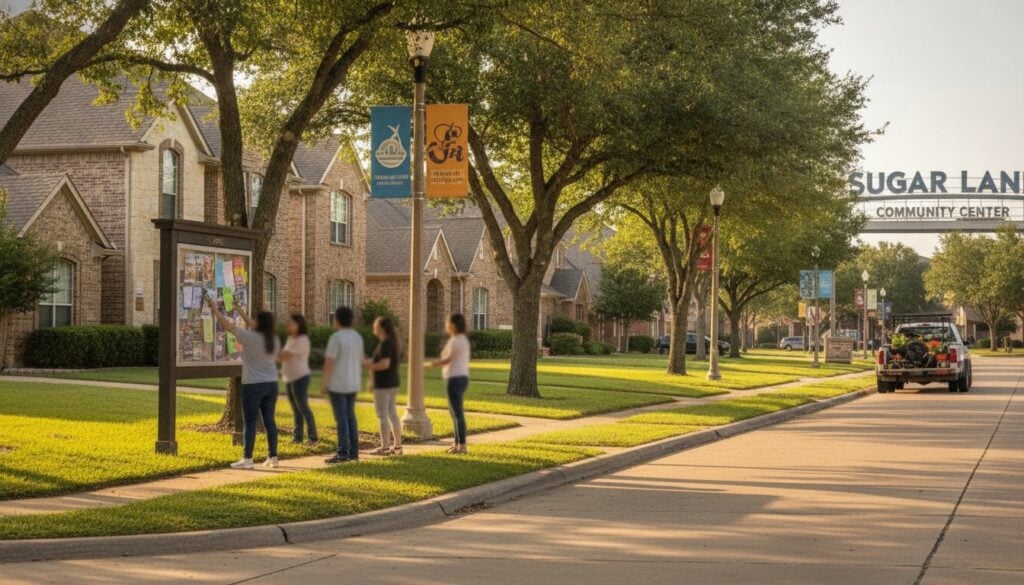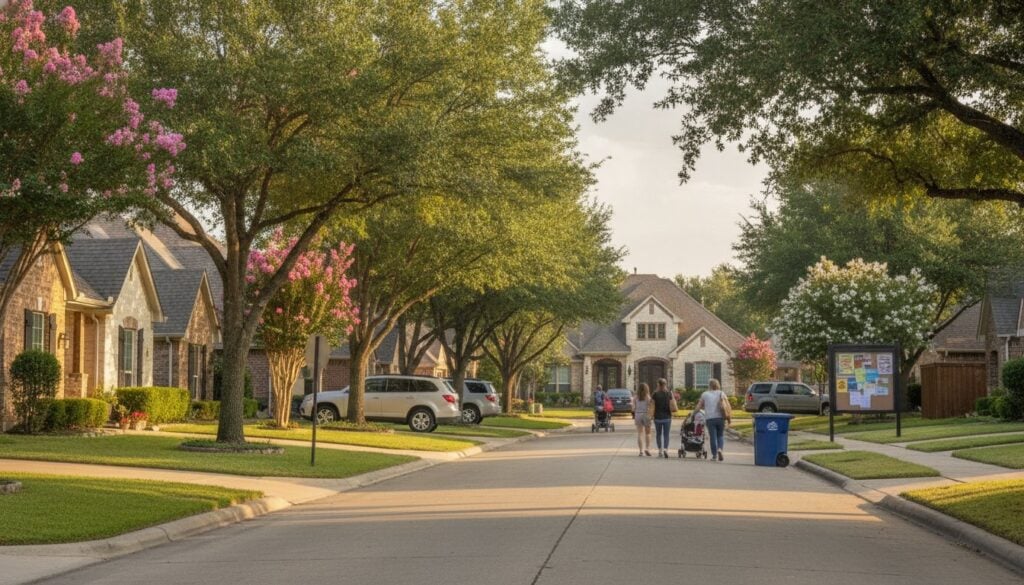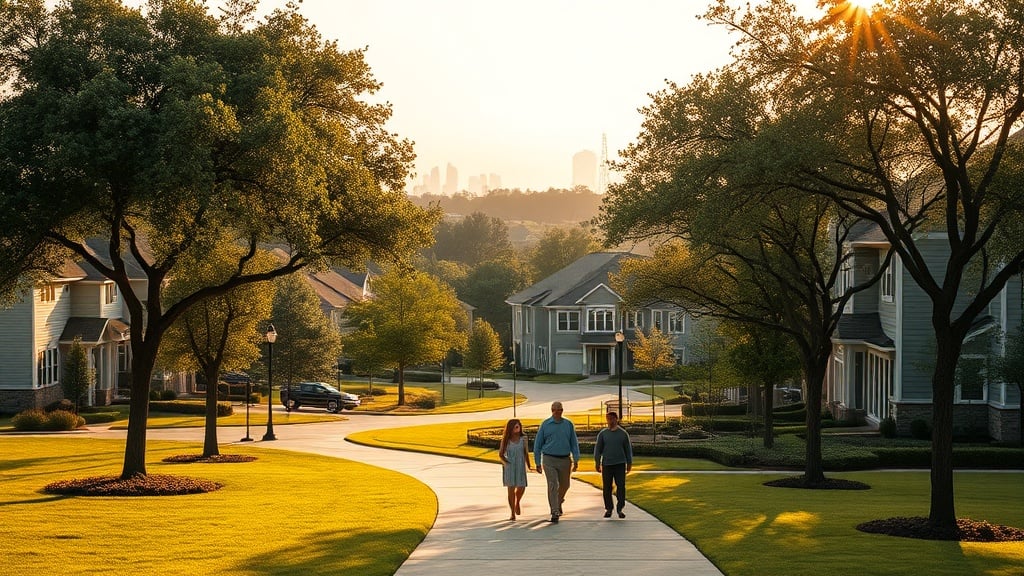
The Woodlands real estate market has entered 2026 with a sense of stability that’s been missing for the past few years. After the wild swings of the pandemic era and the rate shock of 2023, things have settled into something more predictable. That doesn’t mean boring. It just means buyers and sellers can actually plan without feeling like they’re gambling.
This master-planned community north of Houston continues to attract families, professionals, and retirees who want the amenities of a resort with the practicality of suburban living. The market has shifted from the frenzy of multiple offers and waived contingencies to a more balanced environment where both sides can negotiate.
The Woodlands Market Snapshot: 2026 Overview
We’re looking at what most agents would call a balanced market. Inventory has increased compared to the tight supply of recent years, giving buyers more options without overwhelming them. Homes are staying on the market longer than they did in 2021, but they’re still moving at a reasonable pace if priced correctly.
Mortgage rates have eased from their recent peaks, hovering in a range that makes homeownership more accessible than it was a year ago. This has brought some buyers off the sidelines, particularly first-time purchasers who were priced out during the rate spike.
The emphasis now is on pricing, preparation, and negotiation rather than panic or FOMO. Sellers who understand this are doing well. Those who think it’s still 2021 are learning hard lessons about market timing.
Who This Guide Is For
This guide serves several audiences. Traditional buyers and sellers will find comprehensive information about pricing, amenities, and market strategies. But we’ve also included specific sections for people dealing with more complex situations.
If you’re going through a divorce and need to sell quickly, you’ll find targeted advice on pricing and presentation. Executors handling probate sales will learn about Texas-specific requirements and timelines. Homeowners facing foreclosure can explore alternatives and understand their options.
The common thread? Everyone needs accurate information about what’s actually happening in The Woodlands market right now, not what happened two years ago or what might happen next year.
The Woodlands Community Amenities: What Sets This Master-Planned Community Apart
The amenities are what justify the premium prices in The Woodlands. This isn’t just marketing speak. The community was designed from the ground up to offer a lifestyle that goes beyond having a nice house.
Villages and Neighborhoods: Understanding The Woodlands’ Layout
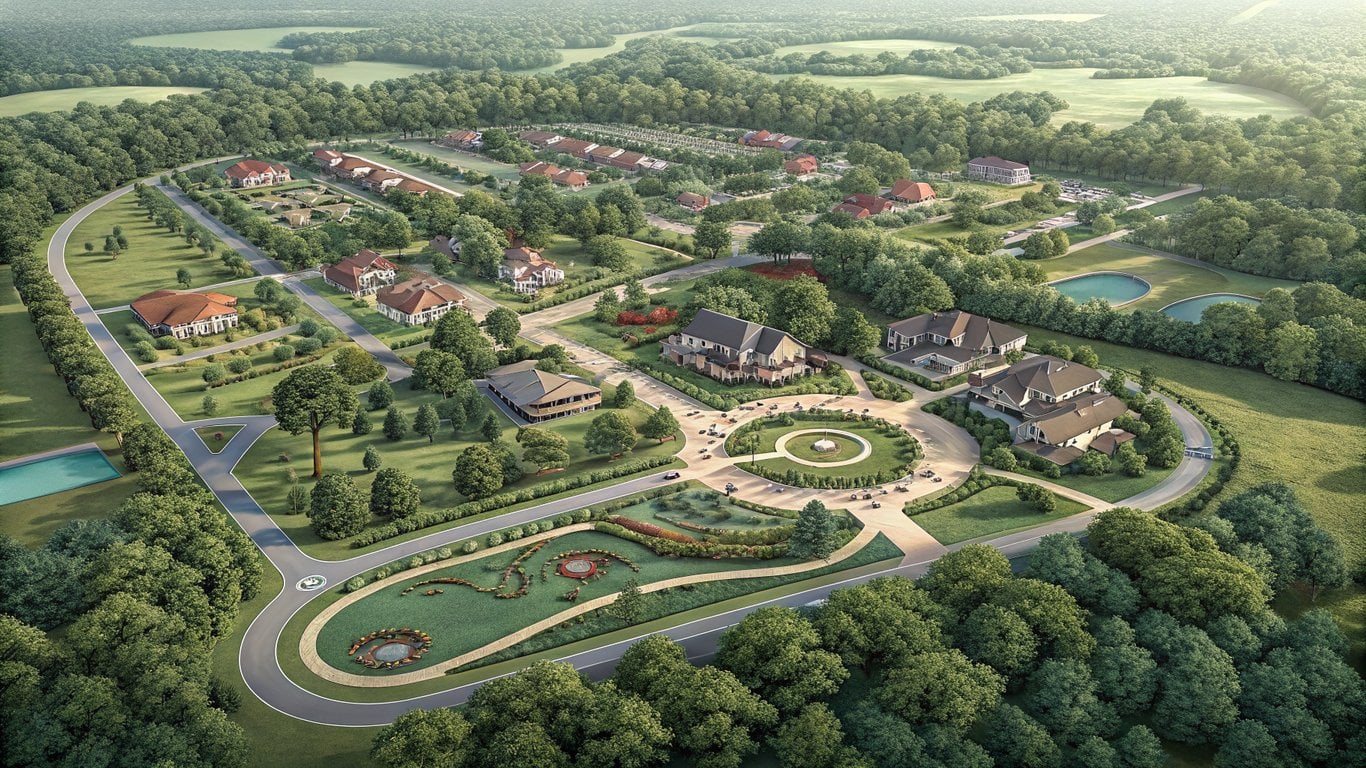
The Woodlands is divided into villages, each with its own character and amenities. Some villages skew older with mature trees and established neighborhoods. Others feature newer construction with modern floor plans and updated community centers.
The village system creates smaller communities within the larger master plan. You get neighborhood pools, parks, and events while still having access to everything The Woodlands offers. It’s a smart design that prevents the community from feeling too sprawling or impersonal.
Parks, Recreation, and Green Spaces
The pathway system is probably the most talked-about amenity. Over 220 miles of trails wind through the community, connecting neighborhoods to schools, shopping, and parks. People actually use them. You’ll see runners, cyclists, and families walking to dinner on any given evening.
Golf courses dot the landscape, ranging from championship layouts to more casual executive courses. The parks include everything from small neighborhood playgrounds to larger facilities with sports fields and pavilions.
Shopping, Dining, and Entertainment
The Woodlands Mall anchors the retail scene, but Market Street and Hughes Landing offer more upscale shopping and dining. You can walk to restaurants, catch a movie, or grab coffee without getting in your car if you live near these areas.
The dining scene has evolved beyond chain restaurants to include local concepts and chef-driven establishments. It’s not Houston’s restaurant scene, but it’s more than adequate for most residents.
Schools and Education
Schools drive many buying decisions in The Woodlands. The community is served by multiple school districts, with Conroe ISD covering most of the area. School ratings vary by campus, and buyers often prioritize specific elementary zones.
Private school options exist for families who prefer that route. The proximity to quality education at various price points gives families flexibility in their choices.
Transportation and Accessibility
The commute to Houston is the trade-off for living in The Woodlands. It’s roughly 30 miles to downtown, which translates to anywhere from 45 minutes to over an hour depending on traffic and your specific destination.
Many residents work in The Woodlands itself or in nearby employment centers. The growth of remote work has made the commute less of a factor for some buyers, though it’s still a consideration for anyone who needs to be in Houston regularly.
The Woodlands Real Estate Pricing Bands: 2026 Market Analysis by Price Range
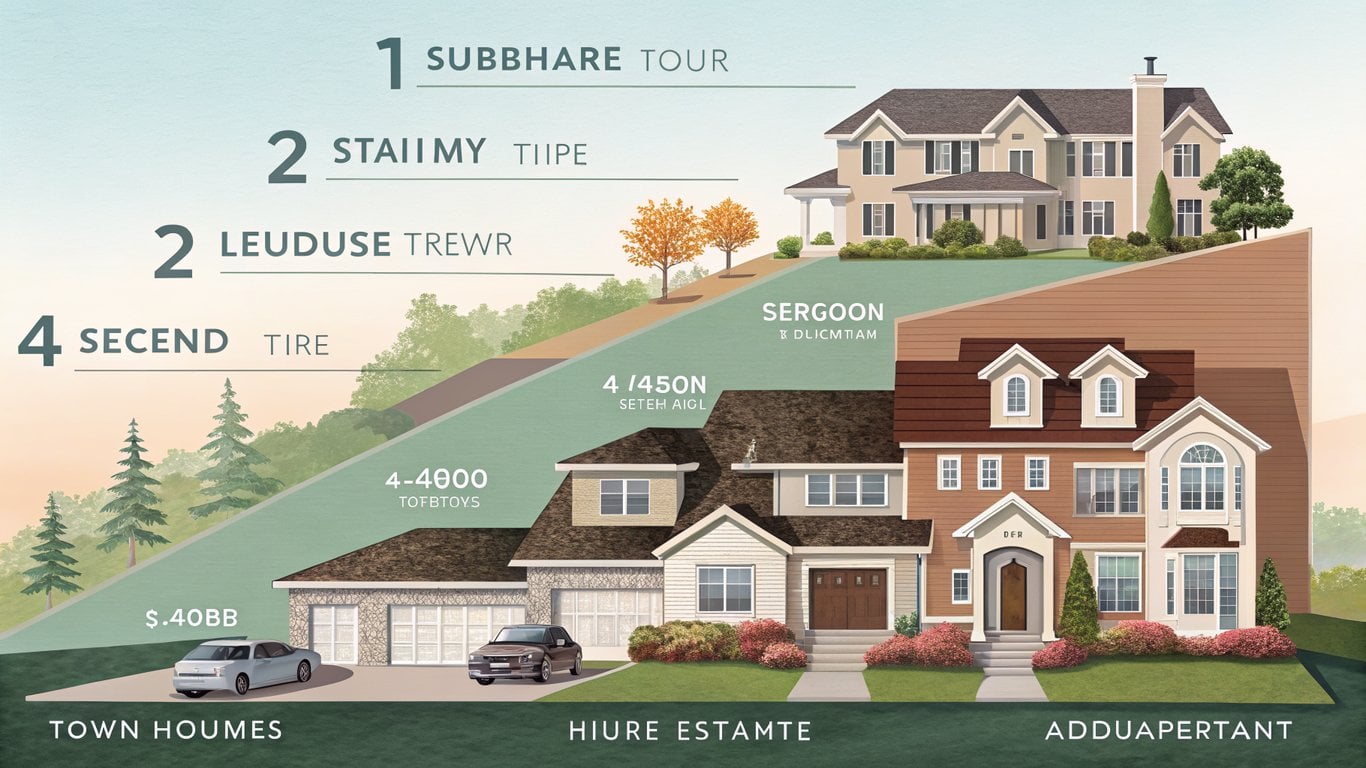
Understanding pricing bands helps you know what to expect at different budget levels. The market segments pretty clearly, with distinct features and competition at each tier.
Entry-Level Market ($250K-$400K)
This range typically includes townhomes, condos, and smaller single-family homes. Inventory is tighter here because there’s consistent demand from first-time buyers and people downsizing. Competition can be fierce for well-maintained properties in desirable locations.
You’re looking at 1,200 to 1,800 square feet in most cases. HOA fees are a factor with townhomes and condos, sometimes adding several hundred dollars to monthly housing costs.
Mid-Range Market ($400K-$700K)
This is the sweet spot for many families. You get a proper single-family home with 2,000 to 3,500 square feet, typically three to four bedrooms, and a yard. The neighborhoods in this range offer good schools and amenities without the premium pricing of luxury villages.
Market activity is steady here. Homes move at a reasonable pace if they’re priced correctly and show well. Buyers have options but aren’t overwhelmed with choices.
Upper Mid-Range ($700K-$1M)
Now you’re getting into larger homes in premium locations. Think 3,500 to 5,000 square feet with upgraded finishes, larger lots, and proximity to top-rated schools or desirable amenities.
The buyer pool narrows at this level, so pricing becomes more critical. Homes can sit longer if they’re overpriced or need updates.
Luxury Market ($1M-$2M)
The luxury segment has seen interesting dynamics in 2026. With more inventory available and steadier pricing, buyers have negotiating power they didn’t have a few years ago. These properties feature custom details, premium locations, and extensive square footage.
Staging and presentation matter enormously at this level. Buyers expect perfection, and any maintenance issues or dated finishes become major negotiating points.
What Buyers Want in 2026: Current Priorities and Must-Have Features
Buyer priorities have evolved. Some trends from the pandemic era have stuck around, while others have faded as people return to offices and normal routines.
Top Features Buyers Are Seeking
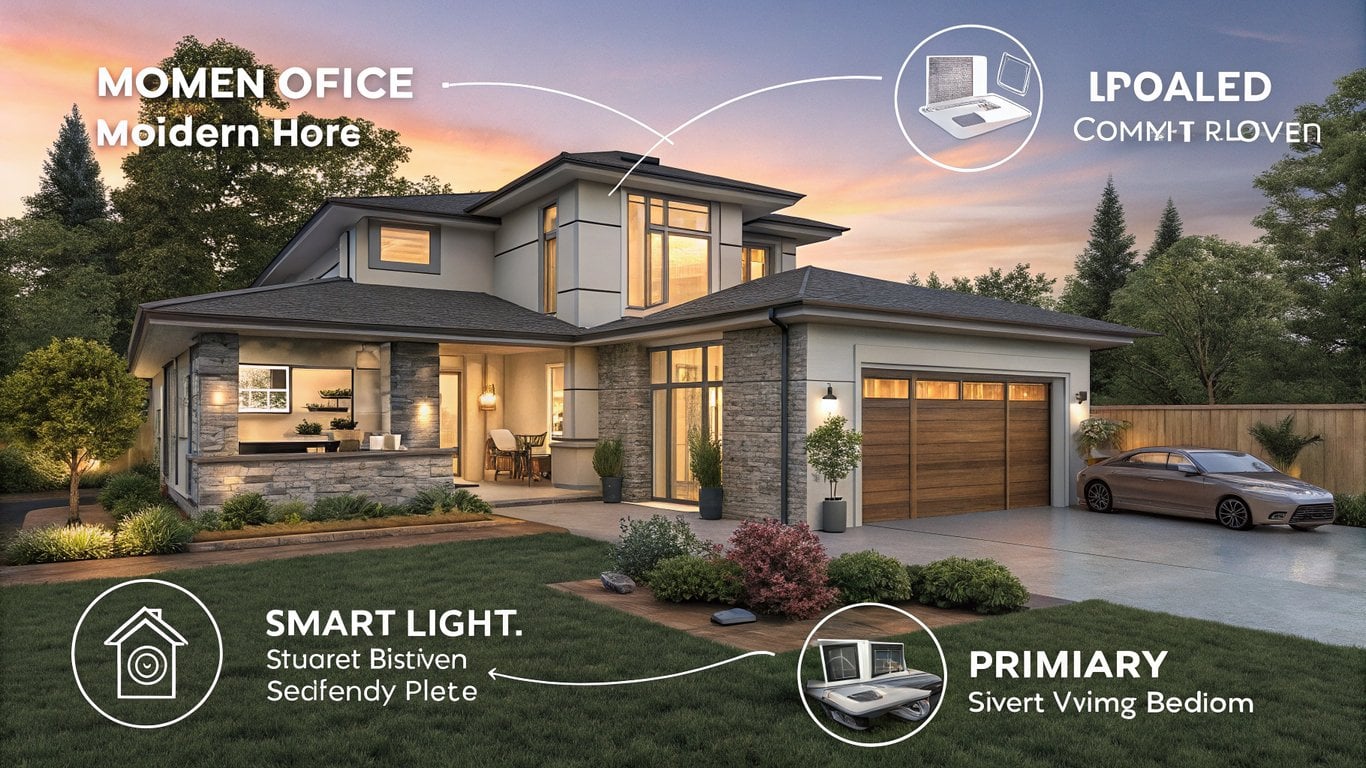
- Home offices or flex spaces that can function as workspaces
- Updated kitchens with modern appliances and functional layouts
- Outdoor living spaces including covered patios and usable yards
- Energy-efficient features that reduce utility costs
- Open floor plans that facilitate family interaction
- Primary suites on the main floor for aging-in-place considerations
- Smart home technology or pre-wiring for easy installation
- Adequate storage including walk-in closets and garage space
- Updated bathrooms with modern fixtures and finishes
- Low-maintenance landscaping that looks good without constant work
Remote Work Impact on Home Buying Decisions
The work-from-home trend has stabilized. Not everyone is remote, but enough people have flexible arrangements that dedicated office space remains important. Buyers look for rooms with doors that close, good natural light, and space for proper desk setups.
The need for high-speed internet is non-negotiable. Buyers ask about internet providers and speeds during showings.
Energy Efficiency and Sustainability Priorities
Texas summers make energy efficiency practical, not just environmental. Buyers want to know about insulation, HVAC systems, and window quality. Solar panels are becoming more common, though they’re not yet standard.
The focus is on reducing utility bills rather than pure environmental concerns for most buyers. If green features also save money, they’re valued. If they’re just for show, buyers are skeptical.
Staging Tips for Sellers: Maximizing Your Home’s Appeal in The Woodlands Market
Staging matters more in a balanced market. When buyers have options, presentation becomes a differentiator. The goal is making your home the one they remember and want to see again.
Pre-Staging Essentials: Repairs and Updates That Matter
Fix the obvious stuff first. Leaky faucets, broken cabinet handles, cracked tiles, and scuffed paint all signal deferred maintenance to buyers. These small issues create doubt about what else might be wrong.
Focus on high-impact, relatively affordable updates. Fresh paint in neutral colors makes everything look cleaner. Updated light fixtures modernize spaces without major expense. New cabinet hardware can refresh a dated kitchen for a few hundred dollars.
Curb Appeal in The Woodlands: First Impressions Count
Your front yard competes with well-maintained neighbors in The Woodlands. Buyers form opinions before they get out of the car. Mow the lawn, edge the beds, add fresh mulch, and make sure the entrance is inviting.
Power wash the driveway and walkways. Clean the gutters. Make sure the house numbers are visible and attractive. These details cost little but make a significant difference in first impressions.
Decluttering and Depersonalizing: Creating a Blank Canvas
Remove about half of what you think you should. Buyers need to envision their stuff in your space, which is hard when your family photos cover every surface and your collections fill every shelf.
Rent a storage unit if necessary. Clear countertops, minimize furniture, and create the impression of spaciousness. The goal is showing the home’s potential, not documenting your life there.
Professional Staging vs. DIY: When to Invest
Professional staging makes sense for vacant homes and higher-priced properties. The cost typically ranges from a few thousand dollars for partial staging to more for full-home staging, but it can reduce time on market and increase final sale price.
For occupied homes in the mid-range market, DIY staging often works fine if you’re willing to be objective about your space. Get feedback from your agent about what needs attention.
Special Situations: Selling The Woodlands Real Estate During Divorce, Probate, or Foreclosure
Not every sale happens under ideal circumstances. These situations require different strategies and realistic expectations about timing and pricing.
Divorce Sales: Navigating Emotional and Legal Complexities
Divorce sales are complicated by emotions and legal requirements. Both parties need to agree on listing price, agent selection, and offer acceptance. This can slow the process when cooperation is difficult.
Price the home to sell rather than trying to maximize every dollar. A quick sale often serves both parties better than a prolonged listing that generates ongoing conflict and carrying costs.
Probate Sales: Understanding the Process in Texas
Texas probate sales require court approval in many cases, which adds time to the process. Executors need to understand their legal obligations and work with attorneys familiar with probate real estate transactions.
The timeline is longer than a typical sale. Factor in court schedules and legal requirements when setting expectations with potential buyers.
Pre-Foreclosure and Short Sales: Options and Strategies
If you’re facing foreclosure, you have options beyond just letting the bank take the house. Short sales allow you to sell for less than you owe with lender approval. This damages your credit less than foreclosure.
Time is critical in these situations. The earlier you act, the more options you have. Work with agents and attorneys experienced in distressed sales who understand the process and timelines.
The Buying Process: Step-by-Step Guide for The Woodlands Real Estate
Understanding the buying process helps you avoid surprises and make better decisions along the way.
Getting Pre-Approved: Financing in 2026
Get pre-approved before you start looking seriously. Pre-qualification is just an estimate. Pre-approval means a lender has verified your finances and committed to a specific loan amount.
Shop multiple lenders. Rates and fees vary more than you’d think. A quarter-point difference in interest rate adds up over 30 years.
Making Competitive Offers in 2026
The days of waiving all contingencies are mostly over. You can negotiate inspection periods, request repairs, and include reasonable contingencies without losing deals.
Price matters most, but terms matter too. A clean offer with reasonable contingencies often beats a slightly higher offer with complicated terms or questionable financing.
The Selling Process: Maximizing Your Return in The Woodlands Market
Selling successfully requires preparation, realistic pricing, and patience. The market rewards sellers who understand current conditions.
Timing Your Sale: Best Seasons and Market Conditions
Spring remains the strongest selling season in The Woodlands. Families want to move during summer break, so they start looking in March and April. Inventory increases then, but so does buyer activity.
Fall is the second-best window. The market slows during the holidays, then picks up again in January with buyers who need to move for job relocations or other reasons.
Pricing Strategy: Competitive Analysis and Market Positioning
Price it right from the start. Overpricing and then reducing doesn’t work as well as pricing correctly initially. Buyers wonder what’s wrong with homes that sit on the market with multiple price reductions.
Look at recent sales, not active listings. Active listings show what sellers want. Closed sales show what buyers actually paid. That’s the data that matters.
2026 Market Outlook and Expert Predictions for The Woodlands Real Estate
The market seems positioned for continued stability through 2026. Barring major economic disruptions, we’re probably looking at modest appreciation and steady transaction volume.
Economic Factors Influencing The Woodlands Market
The Houston economy drives The Woodlands real estate. Energy sector performance, employment trends, and population growth all factor into local market conditions. The diversification of Houston’s economy beyond oil and gas has created more stability than in past decades.
Interest rates will continue influencing affordability and buyer activity. Even small rate changes affect monthly payments significantly at current price levels.
Resources and Next Steps: Your The Woodlands Real Estate Action Plan
Having information is useful. Acting on it is what matters. Your next steps depend on your specific situation and timeline.
Recommended Local Professionals
You’ll need a team for buying or selling. A knowledgeable real estate agent who specializes in The Woodlands is essential. They understand the villages, schools, and market nuances that generic agents miss.
Find a local lender who can close on time. Get recommendations from your agent about inspectors, title companies, and other professionals you’ll need during the transaction.
Your Next Steps: Creating Your Personal Action Plan
If you’re buying, get pre-approved and start looking at neighborhoods that fit your budget and lifestyle. Visit The Woodlands on weekends to get a feel for different villages. Drive the commute during rush hour if that’s relevant to your situation.
If you’re selling, interview agents and get honest feedback about your home’s condition and realistic pricing. Start preparing your property now rather than waiting until you’re ready to list. The work takes longer than you think.
The Woodlands real estate market in 2026 offers opportunities for both buyers and sellers who approach it with realistic expectations and good information. The frenzy is over, but that’s actually good news. You can make thoughtful decisions without feeling rushed or pressured. Take your time, do your research, and work with professionals who know this market.