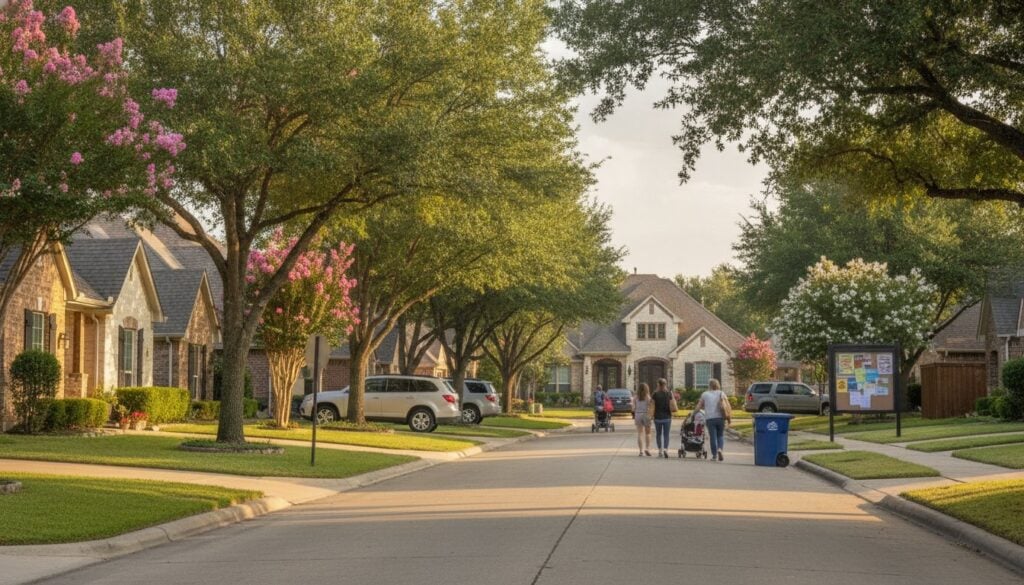
Tomball sits about 30 miles northwest of Houston, and it’s been quietly transforming from a small railroad town into one of the area’s most interesting real estate markets. The numbers tell part of the story, but they don’t capture everything that makes this community worth considering.
Whether you’re buying your first home, selling a property you’ve owned for years, or dealing with something more complicated like a divorce or inherited property, understanding Tomball’s market helps you make better decisions. And right now, the market’s showing some patterns that matter.
Current Market Snapshot: Key Statistics for 2026
The latest data shows Tomball has 4.0 months of inventory, which puts it in what most agents call a balanced market. Not too hot, not too cold. Listings are up 13.3% year over year, meaning more homes are hitting the market than last year at this time.
Homes are selling in an average of 51.5 days. That’s not lightning fast, but it’s not slow either. The median sold price sits at $432,000, which gives you a baseline for what Tomball Texas homes are actually trading for.

These numbers matter because they affect your strategy. Buyers have more negotiating room than they did a couple years ago. Sellers need to be realistic about pricing and timelines.
Who This Guide Is For
This isn’t just for traditional buyers and sellers. Sure, if you’re looking to upgrade or downsize, you’ll find what you need here. But we’re also covering situations that don’t fit the typical real estate playbook.
Maybe you’re going through a divorce and need to sell the house quickly. Or you’ve inherited a property through probate and aren’t sure whether to fix it up or sell it as-is. Perhaps you’re facing foreclosure and trying to figure out your options before time runs out.

These situations require different approaches, and we’ll address them specifically throughout this guide.
Discovering Tomball: Community Features and Lifestyle
Tomball manages to feel like a small town while offering most of what you’d expect from a larger suburb. The historic downtown area still has that old Texas charm, with antique shops and local restaurants that have been around for decades.
Tomball’s Top Neighborhoods and Subdivisions
The neighborhoods vary quite a bit. You’ve got newer master-planned communities with amenities like pools and walking trails, and you’ve got older established areas with mature trees and larger lots. Price ranges shift depending on where you’re looking and what condition the home’s in.
Some subdivisions cater to families with young kids, complete with playgrounds and community events. Others attract retirees or empty nesters looking for single-story homes with less maintenance.
Schools and Education: A Major Draw for Families
Tomball ISD serves most of the area, and school zones definitely impact property values. Families research school ratings before they buy, so homes in certain attendance zones tend to hold their value better. It’s worth checking which schools serve any property you’re considering.
Parks, Recreation, and Community Amenities
Tomball has several parks scattered throughout the city. You’ll find sports fields, walking trails, and playgrounds. The downtown area hosts events throughout the year, including the German Heritage Festival that draws crowds every spring.
Shopping and dining options have expanded as the population’s grown. You’re not driving to Houston for everything anymore, though some people still do for specialty items or entertainment.
Commuting from Tomball: Transportation and Accessibility
The commute question comes up constantly. People want to know exactly how long it’ll take to get to work, and the honest answer is: it depends.
Commute Times to Major Employment Centers
Downtown Houston typically takes 45-60 minutes during rush hour, sometimes longer if there’s an accident. The Woodlands is much closer, usually 20-30 minutes. The Energy Corridor runs about 30-40 minutes depending on which part you’re heading to.
These times assume normal traffic. Construction, weather, or accidents can add significant time to any commute.
Major Highways and Routes: 249, 99, and I-45
Highway 249 is the main artery running through Tomball. It connects to the Grand Parkway (99), which loops around the Houston metro area. I-45 is accessible but requires getting through some surface streets first.
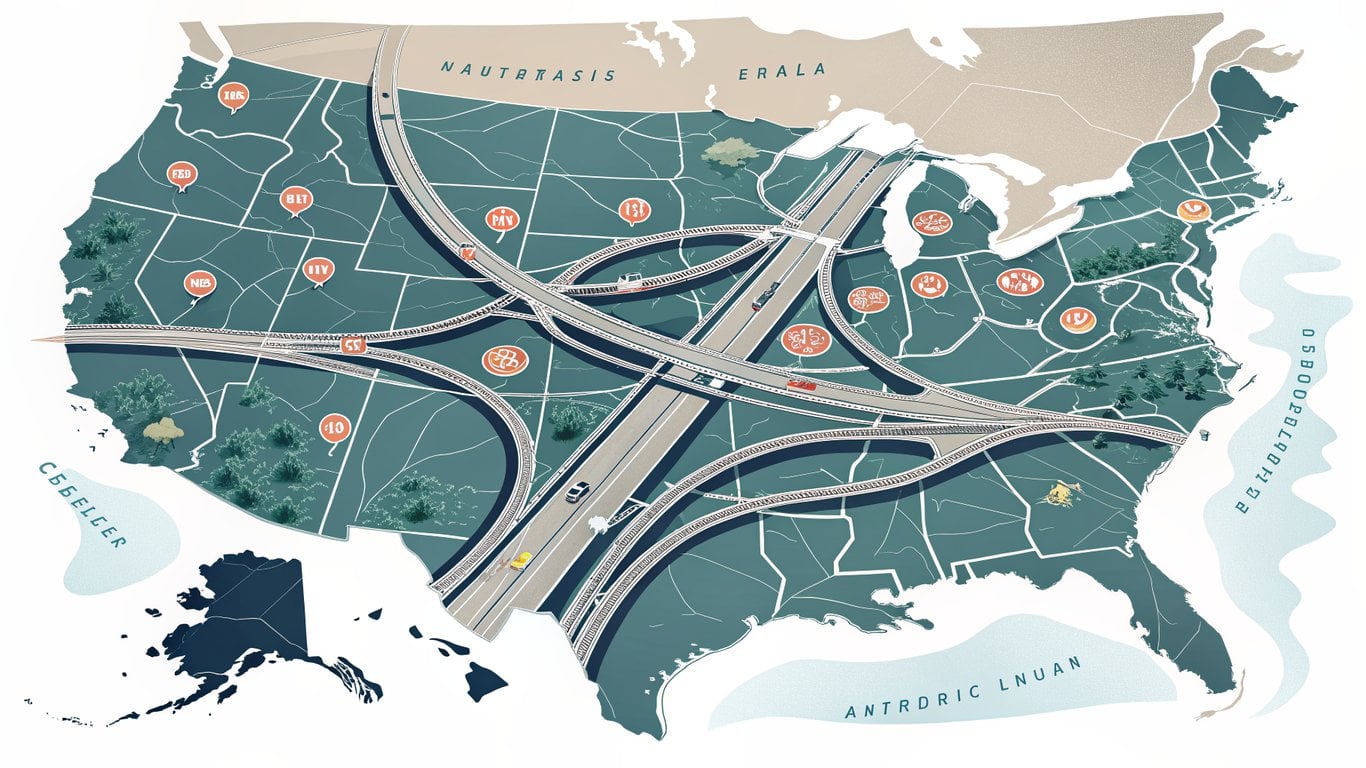
Traffic patterns shift throughout the day. Mornings see heavy southbound traffic on 249. Evenings reverse that flow. Knowing alternate routes helps when the main highways get backed up.
Remote Work Considerations
If you’re working from home full-time or on a hybrid schedule, Tomball becomes more attractive. You get more house for your money compared to closer-in suburbs, and the commute only matters a few days a week.
Internet infrastructure is generally solid in newer developments. Older areas might have fewer options, so it’s worth checking what’s available at specific addresses if reliable high-speed internet is critical for your work.
The Buyer’s Journey: Finding and Purchasing Tomball Texas Homes
Buying a home involves more steps than most people remember from their last purchase. The process hasn’t gotten simpler, and the current market adds its own wrinkles.
Pre-Purchase Preparation: Financing and Budget
Get pre-approved before you start looking seriously. Not pre-qualified, pre-approved. There’s a difference, and sellers know it. With the median price at $432,000, you’re looking at a down payment of $86,400 if you’re putting down 20%, though many buyers put down less.
Don’t forget closing costs, which typically run 2-5% of the purchase price. Property taxes in Texas are higher than many states, so factor that into your monthly budget.
Home Search Strategy: What to Look For
With homes sitting on the market for an average of 51.5 days, you have time to be selective. Don’t rush into the first house that checks most of your boxes. Look at several properties to understand what’s available at different price points.
Pay attention to foundation issues, which are common in this area. Check the HVAC system’s age. Look at the roof condition. These big-ticket items can cost tens of thousands to replace.
Making Competitive Offers in a 4-Month Inventory Market
Four months of inventory means you don’t need to offer full price on every property. There’s room to negotiate, especially if a home’s been sitting for a while. Check how long it’s been listed and whether the price has been reduced.
That said, well-priced homes in desirable areas still get multiple offers. Your agent should help you gauge the competition for specific properties.
The Seller’s Journey: Preparing and Selling Your Tomball Property
Selling requires different preparation depending on your situation. A traditional sale where you have time to prepare differs significantly from a divorce or foreclosure scenario.
Determining Your Home’s Market Value
The $432,000 median gives you a starting point, but your home’s value depends on its specific features, condition, and location. Recent comparable sales in your neighborhood matter more than citywide averages.
Overpricing costs you time and money. Homes that sit too long start to look stale, and buyers wonder what’s wrong with them. Price it right from the start.
Average Timeline: From Listing to Closing
The 51.5 average days on market includes time from listing to contract. Add another 30-45 days for closing after you accept an offer. So you’re looking at roughly three months total in many cases.
Some homes sell faster, some slower. Condition, price, and location all affect your timeline. Homes needing significant repairs typically take longer unless you price them aggressively or sell as-is.
The Critical Decision: Repair vs. Sell-As-Is
This decision trips up a lot of sellers. Should you invest money fixing things up, or just sell the property in its current condition?
Understanding As-Is Sales in Tomball
Selling as-is means you’re not making repairs before closing. Buyers know they’re getting the property in its current state. You still need to disclose known issues, but you’re not obligated to fix them.
The Tomball market sees plenty of as-is sales. They’re not unusual or automatically red flags. Investors and cash buyers actively look for these properties.
When Repairs Make Financial Sense
Minor cosmetic updates often pay for themselves. Fresh paint, new carpet, and basic landscaping can increase your sale price more than they cost. These improvements help buyers see the home’s potential.
Calculate the return on investment before committing to repairs. If a $5,000 update only increases your sale price by $3,000, you’re losing money.
When Selling As-Is Is the Better Choice
Major structural issues like foundation problems often cost more to fix than you’ll recoup in sale price. If you’re facing a $30,000 foundation repair, selling as-is to someone who can handle it themselves might make more sense.
Time constraints also push sellers toward as-is sales. Divorce situations, probate cases, and foreclosure prevention scenarios don’t always allow time for repairs and contractor schedules.
Financial limitations matter too. If you don’t have cash for repairs and can’t get a loan, as-is becomes your only realistic option.
Cost-Benefit Analysis Framework
- Get repair estimates from licensed contractors
- Research how similar homes with and without those issues have sold
- Calculate the difference in likely sale prices
- Factor in the time repairs will take and holding costs during that period
- Consider your personal situation and timeline constraints
Sometimes the math clearly favors one approach. Other times it’s close, and your personal circumstances become the deciding factor.
Common Repairs in Tomball Texas Homes
Foundation issues come up frequently in this area due to the soil conditions. HVAC systems wear out, especially in Texas heat. Roofs have limited lifespans and need replacement every 15-20 years typically.
Some repairs are deal-breakers for traditional buyers but don’t bother investors. Others are easily negotiable through credits or price reductions.
Special Situations: Divorce, Probate, and Foreclosure Sales
These situations add complexity and often urgency to the selling process. The standard playbook doesn’t always apply.
Selling During Divorce: Legal and Emotional Considerations
Divorce sales require coordination between two parties who might not be communicating well. Court orders sometimes dictate timelines and terms. Both parties typically need to agree on listing price, offers, and repairs.
The emotional component makes everything harder. This was your home, and now you’re dividing the proceeds. Quick sales often make sense just to move forward with your life.
Probate Property Sales: Navigating the Legal Process
Probate in Texas involves court oversight and specific procedures. The executor handles the sale, but court approval is typically required. This adds time to the process.
Inherited homes often need work since the previous owner may have deferred maintenance. Deciding whether to invest in repairs when you’re just trying to settle an estate is tough.
Avoiding Foreclosure: Options and Timeline
If you’re behind on payments, you have options before foreclosure happens. Selling quickly, even at a lower price, protects your credit better than a foreclosure does.
Time matters critically here. Once the foreclosure process starts, your window to act shrinks. As-is sales to cash buyers can close in days or weeks rather than months.
Why As-Is Sales Often Work Best for Special Situations
When you’re dealing with divorce, probate, or foreclosure, time and simplicity become more valuable than maximizing sale price. As-is sales eliminate the repair negotiation phase and attract buyers who can close quickly.
Cash buyers and investors understand these situations and can work within tight timelines. They’re not getting mortgages that require perfect home conditions.
2026 Market Outlook and Final Recommendations
The 13.3% increase in listings suggests more inventory is coming to market. That typically gives buyers more options and negotiating power.
Timing Your Transaction: Best Practices
Spring and early summer traditionally see more activity in real estate. But with 4.0 months of inventory, the market isn’t so tight that timing matters as much as it did a few years ago.
Your personal situation should drive your timing more than trying to time the market perfectly. If you need to sell, sell. If you’re ready to buy and find the right property, buy.
Final Checklist for Buyers
- Get pre-approved for financing before house hunting
- Research neighborhoods and school zones that fit your needs
- Calculate total monthly costs including property taxes and insurance
- Schedule thorough home inspections on any property you’re serious about
- Understand the as-is market if you’re considering fixer-uppers
- Don’t skip the final walkthrough before closing
Final Checklist for Sellers
- Get a realistic market analysis from an experienced local agent
- Decide on repair vs. as-is strategy based on your situation and timeline
- Price competitively from the start rather than testing the market high
- Prepare for the 51.5 average days on market plus closing time
- Consider as-is sales if you’re dealing with divorce, probate, or foreclosure
- Disclose known issues honestly to avoid problems during closing
Tomball’s market offers opportunities for both buyers and sellers who approach it with realistic expectations. The numbers show a balanced market where neither side has overwhelming leverage. That creates space for fair negotiations and successful transactions when both parties are reasonable.
Whether you’re buying your first home, selling a property you’ve owned for decades, or navigating a complicated situation like divorce or probate, understanding the local market and your options helps you make better decisions. The 2026 market in Tomball rewards preparation and realistic expectations more than it rewards trying to time things perfectly or hold out for unrealistic prices.