
You’ve probably seen real estate agents advertising themselves as “AI-certified” or “AI-powered” lately. It’s everywhere. But what does that actually mean when you’re trying to sell your house after a divorce, or you’re dealing with a probate property in Texas?
The truth is, AI tools are changing how agents work. Some of these changes help you. Others are just marketing fluff.
Why AI Matters in Today’s Real Estate Market
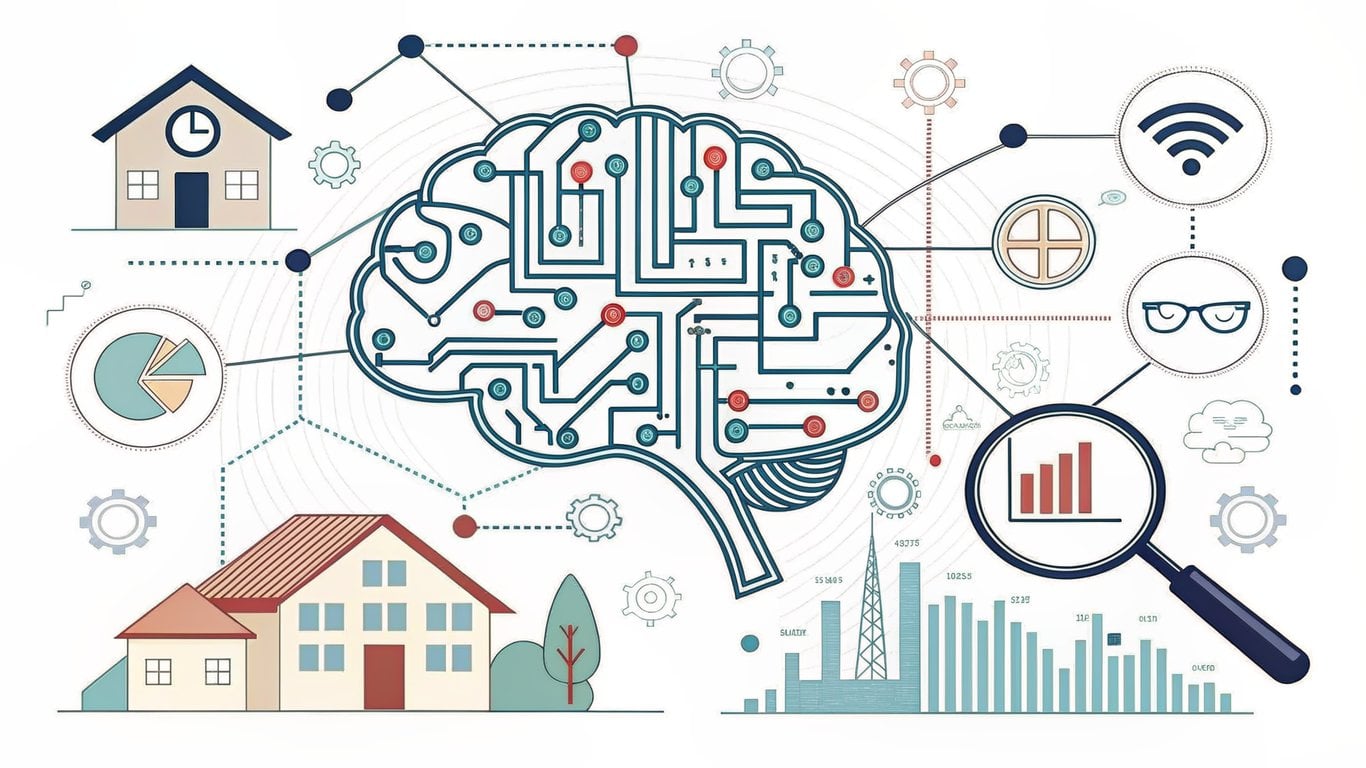
AI tools can analyze thousands of property listings in seconds, predict market trends, and automate routine tasks that used to eat up an agent’s time. When used properly, this means faster responses to your questions and more accurate property valuations.
But here’s the thing: AI doesn’t replace the human judgment you need when navigating complex situations like foreclosure timelines or probate court requirements. It’s a tool, not a magic solution.
What This Guide Will Help You Understand
We’re going to break down what AI real estate agent certifications actually cover, which tools certified agents use, and most importantly, how to tell if an agent’s AI claims are legitimate or just hype. You’ll learn specific questions to ask and red flags to watch for, especially if you’re dealing with time-sensitive or legally complex transactions in Texas.
What Is an AI Real Estate Agent Certification?
Defining AI Real Estate Agent Certifications
An AI real estate agent certification typically comes from programs like the REAIS Certification or Agent AI Certification. These programs teach agents how to use artificial intelligence tools in their daily work.
The REAIS Certification, for example, explains AI concepts in plain language and focuses on practical tools that agents can implement immediately. It’s designed to help brokers work smarter without getting overwhelmed by technical jargon.
What Certification Actually Covers
Most AI certification programs cover these core areas:
- AI basics and how machine learning applies to real estate
- Lead generation tools that identify potential buyers and sellers
- Market analysis software that processes comparable sales data
- Property valuation systems using automated valuation models
- Client communication automation through chatbots and email sequences
The Agent AI Certification specifically focuses on using AI for lead generation and identifying strategies to attract potential buyers and sellers more efficiently.
What Certification Does NOT Guarantee
Here’s what you need to know: certification doesn’t mean an agent is suddenly an expert in your specific situation.

It doesn’t replace years of experience negotiating with difficult buyers. It doesn’t give them special insight into Texas probate law. And it definitely doesn’t mean they understand the emotional complexity of selling a home during a divorce.
AI tools can’t read a room, sense when a buyer is bluffing, or know which local title companies handle foreclosure paperwork most efficiently. That still requires human judgment and local market knowledge.
Recognized AI Certification Programs in Real Estate
Legitimate certification programs typically come from established real estate organizations or recognized technology training providers. The REAIS Certification and Agent AI Certification are examples of structured programs with actual curriculum.
Watch out for agents who claim to be “AI experts” without any formal training or certification. Anyone can say they use AI tools. Actual certification means they’ve completed coursework and demonstrated understanding of how these tools work.
Core AI Tools That Certified Agents Actually Use
AI-Powered Lead Generation and Qualification Tools
AI chatbots can answer basic property questions 24/7, book viewings, and follow up with potential buyers automatically. This means you might get faster initial responses when you submit an inquiry on a listing.
The limitation? These bots can’t handle nuanced questions about foundation issues, neighborhood noise levels, or whether a property works for someone with mobility challenges. They’re good for scheduling and basic facts, not for complex decision-making.
Property Valuation and Market Analysis AI
Automated valuation models analyze thousands of data points including recent sales, property characteristics, and market trends. Real estate professionals use AI-powered tools to evaluate property values and identify investment opportunities with greater accuracy than manual methods.
These tools are particularly useful for getting a quick baseline price estimate. But they can miss important factors like a home’s condition, recent renovations, or unique features that affect value. An experienced agent should use AI valuations as a starting point, not the final word.
Virtual Tour and Property Visualization Technology
AI-enhanced virtual staging can show you what an empty room might look like furnished. 3D tour technology lets you walk through properties remotely, which is helpful when you’re comparing multiple homes or can’t visit in person.
This technology has become standard rather than cutting-edge. Most agents use some form of virtual tour software now, whether they’re “AI-certified” or not.
Document Processing and Transaction Management AI

AI can scan contracts for missing information, flag potential compliance issues, and organize transaction documents automatically. For complex Texas transactions involving probate or divorce, this can help ensure nothing falls through the cracks.
However, AI can’t interpret Texas-specific legal requirements or advise on strategy. It’s a checklist tool, not a legal advisor.
Predictive Analytics for Investment Opportunities
Some AI tools analyze market trends to predict which neighborhoods might appreciate in value or when might be a good time to sell. These predictions are based on historical data and current market indicators.
Take these predictions with skepticism. AI can’t predict economic downturns, major employers leaving town, or other factors that dramatically affect local real estate markets.
Communication and Follow-Up Automation
Automated email sequences and text messaging systems keep you updated on new listings, price changes, and transaction milestones. This can be genuinely helpful for staying informed without constant phone calls.
The downside is when agents rely too heavily on automation and you can’t reach an actual human when you need immediate answers.
How AI Benefits Buyers and Sellers (When Used Properly)
Faster Response Times and 24/7 Availability
AI chatbots can answer questions about square footage, school districts, and showing availability at 2 AM when you’re browsing listings. This immediate response is convenient for basic information gathering.
More Accurate Property Valuations
When you’re facing foreclosure and need to price your home quickly, AI tools can analyze comparable sales data faster than manual research. This speed matters when you’re working against tight deadlines.
Just remember that AI valuations should be verified by an agent who’s actually walked through your property and understands your local market.
Personalized Property Recommendations
AI can learn your preferences and surface relevant listings more efficiently than scrolling through hundreds of properties manually. If you’ve told the system you want a single-story home with a large yard in a specific school district, it’ll prioritize those matches.
Streamlined Paperwork in Complex Situations
Divorce property sales involve extensive documentation. Probate transactions require specific legal forms. AI document management systems can organize these papers, track what’s been signed, and remind everyone about pending items.
This organizational help reduces stress during already difficult situations. But the AI can’t tell you whether you’ve met all Texas probate court requirements. That’s where your agent’s actual expertise matters.
Red Flags: Evaluating AI-Driven Claims from Real Estate Agents
Common Exaggerated AI Claims to Watch For
Be skeptical of these claims:
- “AI guarantees the best price for your home” (No algorithm can guarantee anything in real estate)
- “AI eliminates all risk from buying” (Risk is inherent in any major purchase)
- “My AI finds off-market deals no one else can access” (AI uses publicly available data)
- “AI makes me 10x more effective than other agents” (Effectiveness depends on experience and judgment)
- “You don’t need an inspection because my AI analyzed the property” (Always get professional inspections)
Questions to Ask an AI Real Estate Agent
Ask these specific questions:
- Which specific AI tools do you use, and what does each one do?
- How do you verify AI recommendations before presenting them to clients?
- What decisions do you make personally versus relying on AI?
- Can you show me examples of how AI helped in situations similar to mine?
- What are the limitations of your AI tools?
- How do you handle situations where AI recommendations conflict with your professional judgment?
- Do you have experience with [divorce/probate/foreclosure] sales beyond what AI provides?
Good agents will answer these questions directly and honestly. Vague responses or defensiveness are red flags.
Verifying Actual AI Certification Credentials
Ask to see the actual certification. Legitimate programs issue certificates with the program name, completion date, and certifying organization. You should be able to verify the certification program exists and is recognized in the industry.
If an agent says they’re “AI-certified” but can’t show documentation or name the specific program, that’s a warning sign.
The Human Element: What AI Cannot Replace
AI can’t negotiate with an emotional seller who’s attached to their home. It can’t read body language during a showing. It doesn’t understand that your divorce decree requires specific sale terms, or that Texas probate courts have particular documentation requirements.
Local market knowledge matters. An agent who knows that a specific neighborhood floods during heavy rain, or that a particular builder had foundation issues, brings value that no AI tool can replicate.
Warning Signs of Over-Reliance on AI
Watch for these red flags:
- Generic responses that could apply to any property or situation
- Inability to answer specific questions about your neighborhood
- Can’t explain why the AI recommended a particular price or strategy
- Always refers to “what the system says” rather than offering professional opinion
- Hasn’t personally visited properties they’re recommending
- Doesn’t know local title companies, inspectors, or other professionals you’ll need
Practical Evaluation Checklist for Texas Buyers and Sellers
For Standard Home Purchases and Sales
Evaluate whether the agent’s AI tools actually help you:
- Do you get faster responses to questions?
- Are property recommendations relevant to your actual needs?
- Does the pricing analysis make sense when you compare it to similar homes?
- Can the agent explain their AI tools in plain language?
- Do they still provide personal attention and customized advice?
For Divorce Property Sales
Divorce sales require sensitivity and privacy. Ask about:
- How the agent’s AI systems protect your private information
- Whether they have experience with court-ordered sales beyond AI tools
- How they handle situations where divorcing spouses disagree on price
- Their understanding of Texas family law requirements for property sales
AI can help organize documents and track deadlines, but it can’t navigate the emotional and legal complexity of divorce sales. You need an agent with actual experience in these situations.
For Probate Real Estate Transactions
Probate sales in Texas have specific legal requirements. Verify:
- The agent understands Texas probate law (AI doesn’t)
- They know which documents the court requires
- They’ve handled probate sales before, not just regular transactions
- They can explain the timeline and potential complications
- They work with attorneys who specialize in probate
For Foreclosure or Distressed Property Situations
Time-sensitive situations require more than AI tools:
- Does the agent have relationships with investors who buy quickly?
- Can they negotiate with lenders on short sales?
- Do they understand Texas foreclosure timelines?
- Have they successfully helped others avoid foreclosure?
- Can they provide realistic timelines based on actual experience?
AI might help price the property quickly, but it can’t negotiate with your lender or find buyers willing to close fast.
Questions to Ask Before Hiring
Before hiring any agent claiming AI expertise, ask:
- What specific AI certification do you have, and when did you complete it?
- Which AI tools do you use daily, and what does each one do?
- How many transactions have you completed using these AI tools?
- Can you provide references from clients in situations similar to mine?
- What percentage of your work is AI-assisted versus personal expertise?
- How do you stay current with AI technology changes?
- What happens if your AI tools malfunction or provide incorrect information?
- Do you have experience with [my specific situation] beyond AI capabilities?
- How do you balance AI recommendations with local market knowledge?
- What’s your response time when I need to speak with you personally?
The Future of AI in Real Estate: What to Expect
Emerging AI Technologies in Real Estate
AI technology continues evolving. We’re seeing development in advanced predictive analytics that might better forecast market trends, and enhanced virtual reality that could make remote property viewing more realistic.
But these are tools that will augment agent capabilities, not replace the need for human expertise and judgment.
Regulatory Considerations and Consumer Protections
As AI becomes more prevalent in real estate, regulations will probably evolve to govern how agents can use these tools and what claims they can make. Texas and national real estate organizations may establish standards for AI use and disclosure requirements.
This regulatory development should provide better consumer protections and clearer standards for what AI certification actually means.
Finding the Right Balance: AI as Tool, Not Replacement
The best agents will use AI to handle routine tasks efficiently, freeing up time for personalized service where it matters most. They’ll use AI valuations as a starting point but verify with local market knowledge. They’ll automate follow-ups but be available when you need human judgment.
AI should make good agents better, not replace the expertise and personal attention you deserve.
Making Informed Decisions About AI Real Estate Agents
Key Takeaways for Evaluating AI Certifications and Claims
- AI certification means an agent completed training in using AI tools, not that they’re automatically better than experienced agents
- Legitimate certifications come from recognized programs like REAIS or Agent AI Certification
- AI tools work best for routine tasks like lead generation, basic valuations, and document organization
- Human expertise remains essential for negotiation, local market knowledge, and complex situations
- Red flags include guaranteed results, over-reliance on AI, and inability to explain tools
- Complex transactions like divorce, probate, or foreclosure require experienced agents beyond AI capabilities
Your Next Steps
When interviewing agents, ask specific questions about their AI tools and certification. Request documentation of their training. Most importantly, evaluate whether their AI capabilities actually benefit your specific situation.
Look for agents who use AI as one tool among many, not as their primary selling point. The best agents combine technology with experience, local knowledge, and genuine expertise in handling situations like yours.
Don’t be impressed by AI buzzwords. Be impressed by results, references, and demonstrated competence in your specific type of transaction.