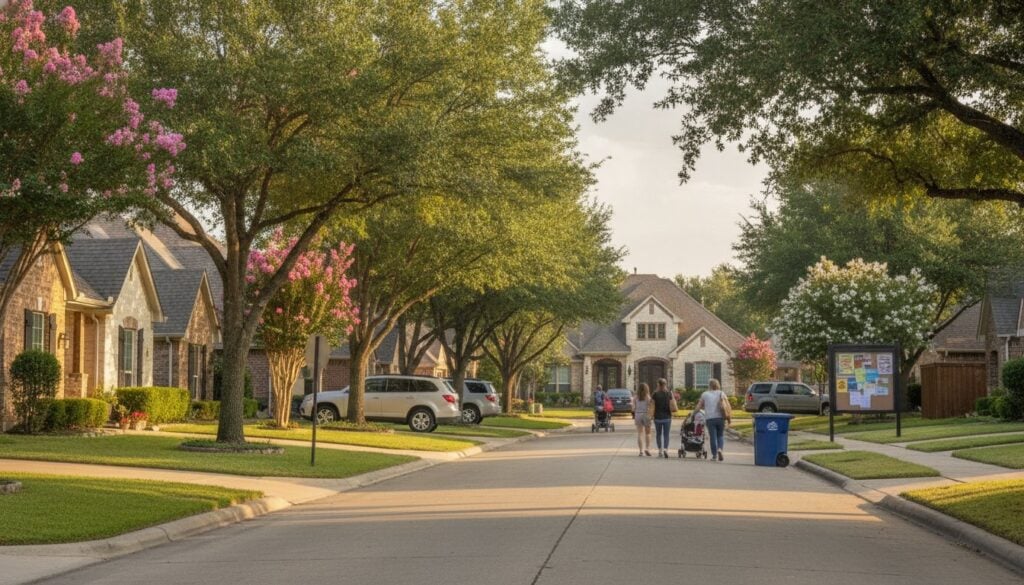
Conroe sits about 40 miles north of Houston, and it’s been quietly transforming from a sleepy lake town into one of the fastest-growing cities in Texas. If you’re looking at Conroe Texas homes in 2026, you’re probably noticing something interesting: this isn’t just one market. It’s really two distinct markets living side by side, each with its own personality, price points, and investment potential.
The lake-area properties around Lake Conroe attract a completely different buyer than the suburban neighborhoods spreading across the rest of Montgomery County. Understanding these differences matters whether you’re buying your first home, selling a property in a tough situation, or looking for your next investment opportunity.

Why Conroe Continues to Attract Buyers and Investors
The growth here isn’t accidental. Conroe benefits from Houston’s massive job market without the Houston price tag. You can work in The Woodlands or even downtown Houston and still afford a decent-sized yard. The Conroe Independent School District keeps expanding to keep up with new families moving in, and the tax situation in Texas (no state income tax) doesn’t hurt either.
Lake Conroe itself is a huge draw. It’s one of the largest lakes in Texas, and having 21,000 acres of water this close to a major metro area creates demand that doesn’t really exist elsewhere in the region. People from Houston have been buying weekend places here for decades, but now many are making it their primary residence and just dealing with the commute.
2026 Market Snapshot: Key Statistics and Trends
Based on recent market data, single-family homes continue dominating new listings in Conroe. The median price point hovers around $344,950 for the broader market, though this number masks significant variation between lake properties and suburban homes. Properties near this median tend to move quickly, while both the affordable entry-level homes and high-end luxury properties see different dynamics.
Inventory levels in 2026 remain relatively tight compared to pre-pandemic years, but we’re seeing more balance than the crazy seller’s market of 2021-2022. Days on market vary significantly by price point and location. A well-priced suburban home under $300,000 might get multiple offers within days, while a $2 million lakefront property could sit for months waiting for the right buyer.
Who This Guide Serves
This guide is for anyone navigating Conroe’s real estate market in 2026. That includes traditional buyers trying to decide between lake life and suburban convenience. It’s also for sellers, particularly those dealing with complicated situations like divorce, probate, or potential foreclosure where timing and strategy matter even more than usual.
Investors will find specific analysis on rental income potential, appreciation trends, and where opportunities exist in both market segments. Whether you’re looking at fix-and-flip projects or buy-and-hold rentals, understanding the nuances between these two markets can make the difference between a solid investment and a mediocre one.
Lake Conroe Area Properties: Inventory Analysis and Buyer Profile
The Lake Conroe market operates on different rules than suburban Conroe. Buyers here aren’t primarily concerned with school ratings or commute times. They want water access, views, and a lifestyle that feels like permanent vacation.
Lake Conroe Neighborhoods and Communities Breakdown
Several established communities ring the lake, each with distinct characteristics. April Sound on the west side offers a mix of waterfront and water-view properties with golf course amenities. Prices here typically range from the mid-$300,000s for interior lots up to several million for prime waterfront estates.
Bentwater, another gated community, attracts buyers looking for luxury amenities including multiple golf courses and a country club atmosphere. Seven Coves on the north shore provides more affordable lake access, with some properties starting in the $200,000s for lake-access homes (not waterfront).
Beyond these planned communities, you’ll find pockets of custom homes and smaller subdivisions scattered around the lake’s 157-mile shoreline. These areas offer more variety in price and style but less in terms of community amenities.
Current Lake-Area Inventory: What’s Available in 2026
Lake inventory tends to be more limited than suburban options simply because there’s only so much waterfront to go around. In early 2026, you’ll find a mix of older homes built in the 1980s and 1990s alongside newer custom builds. Many of the older properties need updating, which creates opportunities for buyers willing to renovate.
Seasonal patterns affect lake inventory more than suburban areas. Spring and early summer typically see more listings as sellers try to capture buyers dreaming about summer on the water. Fall and winter can offer better deals but fewer choices.
Waterfront vs. Water-View vs. Lake-Access Properties
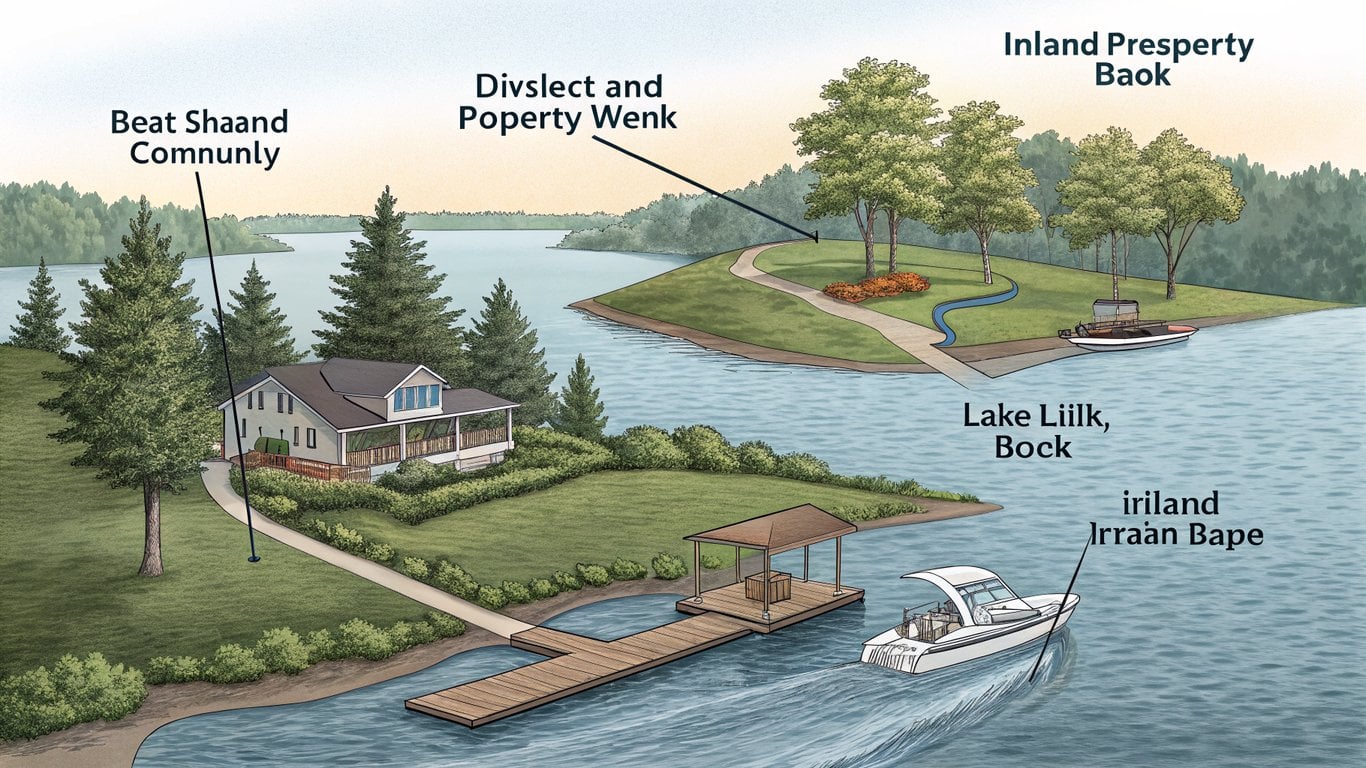
Understanding these distinctions is critical because the price differences are substantial. Waterfront properties have direct lake frontage, usually with a boat dock. These command premium prices, often $500,000 to $3 million or more depending on location and home quality.
Water-view properties can see the lake but don’t have direct access. They’re typically 30-50% less expensive than comparable waterfront homes. You get some of the aesthetic benefits without the premium.
Lake-access properties are in communities with shared boat ramps or marinas but no water frontage or views. These offer the most affordable entry point to lake living, sometimes priced similarly to suburban homes but with recreational amenities.
Lake-Area Investment Potential
Lake properties can work as short-term vacation rentals, though you need to check specific HOA rules and local regulations. Some communities prohibit short-term rentals entirely, while others allow them with restrictions. When permitted, waterfront homes can generate significant rental income during peak summer months.
Long-term appreciation on lake properties tends to be steady but not spectacular. The limited supply helps maintain values, but the higher price points mean a smaller buyer pool. Economic downturns typically hit luxury and recreational properties harder than primary residences.
Suburban Conroe Inventory: Master-Planned Communities and Traditional Neighborhoods
Suburban Conroe is where most of the growth is happening. New master-planned communities keep popping up, offering amenities that rival lake communities but at more accessible price points for families.
Master-Planned Communities: Grand Central Park and Beyond
Grand Central Park represents the newer wave of development in Conroe. These communities typically include pools, splash pads, walking trails, and event lawns. HOA fees run $50-150 monthly depending on amenities. New construction homes here start in the $250,000s for smaller floor plans and can exceed $500,000 for larger homes with upgrades.
Other growing areas include developments along Highway 105 and FM 1488, where builders are actively adding inventory. These communities attract families prioritizing schools, safety, and community amenities over lake access.
Established Suburban Neighborhoods
Older neighborhoods in Conroe offer different value propositions. You’ll find larger lots, mature trees, and often no HOA fees. The trade-off is typically older homes that may need updates and fewer community amenities. These areas can be great for buyers on tighter budgets or those who prefer more freedom in how they use their property.
Prices in established neighborhoods vary widely based on condition and location but generally range from $150,000 for fixer-uppers to $400,000 for well-maintained homes in desirable areas.

New Construction vs. Resale: Suburban Market Dynamics
Builders remain active in Conroe, which means buyers have options between new construction and resale homes. New builds offer modern floor plans, energy efficiency, and warranties, but you’ll pay a premium and deal with longer timelines. Builders sometimes offer incentives like closing cost assistance or upgrades to move inventory.
Resale homes in suburban areas often provide better value per square foot and established landscaping. You can move in faster, and there’s less uncertainty about final costs compared to new construction where upgrades can quickly inflate the price.
Lake-Area vs. Suburban: Comparative Analysis for Buyers and Investors
Let’s get specific about what your money gets you in each market and which makes more sense for different situations.
Price Point Comparisons: What Your Budget Gets You
| Budget | Lake Area | Suburban Conroe |
|---|---|---|
| $200,000-$300,000 | Lake-access condo or older home needing updates | New or recent 3-bed/2-bath in master-planned community |
| $300,000-$500,000 | Water-view home or lake-access in premium community | Larger 4-bed home with upgrades in desirable neighborhood |
| $500,000-$1M | Waterfront home or luxury lake-access estate | Executive home with premium lot and high-end finishes |
| $1M+ | Prime waterfront with boat dock and luxury finishes | Custom estate home (rare in suburban areas) |
Lifestyle Considerations: Matching Properties to Buyer Needs
Lake living works best for buyers who prioritize recreation and aesthetics over convenience. You’re probably looking at longer drives to shopping, schools, and work. But you wake up to water views and can be on your boat in minutes.
Suburban Conroe makes more sense for families with school-age kids, people who commute regularly, or anyone who values convenience and community amenities. You’re closer to grocery stores, restaurants, and services. The trade-off is less unique character and no water access.
Investment Potential Deep Dive: Strategies for the Conroe Market
Conroe offers several viable investment strategies depending on your goals, capital, and risk tolerance.
Buy-and-Hold Strategies for Long-Term Appreciation
Suburban properties in growing areas near new development tend to appreciate steadily as infrastructure improves and communities mature. Look for homes near planned schools, shopping centers, or major employers. Properties in the $250,000-$350,000 range typically attract stable, long-term tenants (families) and maintain consistent occupancy.
Lake properties can work for buy-and-hold but require more patience. Appreciation tends to be slower, and the tenant pool is smaller. However, the limited supply provides some downside protection during market corrections.
Short-Term Rental Opportunities
Lake Conroe properties can generate strong short-term rental income if regulations allow it. Summer weekends and holidays see high demand from Houston-area residents looking for quick getaways. However, you’ll need to factor in higher maintenance costs, furnishing expenses, and management fees. Many investors use platforms like Airbnb or Vrbo to market their properties.
Check HOA restrictions carefully. Some lake communities have banned short-term rentals or imposed minimum stay requirements that make the model less profitable.
Fix-and-Flip Potential in Conroe’s Suburban Areas
Older suburban neighborhoods offer fix-and-flip opportunities, particularly homes built in the 1970s-1990s that need cosmetic updates. The key is finding properties where you can add value through renovations without over-improving for the neighborhood.
Focus on kitchens, bathrooms, and flooring. Fresh paint and landscaping go a long way. Avoid major structural work unless you have experience and reliable contractors. The market moves fast enough that holding costs stay manageable if you can complete renovations in 60-90 days.
Investing in Distressed Properties: Divorce, Probate, and Foreclosure Opportunities
Distressed properties can offer below-market pricing, but they come with complications. Divorce sales often involve motivated sellers who need to split proceeds quickly, but you’re dealing with two parties who may not agree on terms. Probate sales in Montgomery County require court approval and can take months to close.
Pre-foreclosure properties sometimes offer the best deals, but you need to move quickly and often compete with cash buyers. Working with experienced real estate attorneys familiar with Texas property law is essential for these transactions.
Staging and Marketing Tips Tailored to Conroe Buyers
Selling Conroe Texas homes effectively requires understanding what local buyers prioritize and how to present your property accordingly.
Understanding the Conroe Buyer Mindset
Conroe buyers generally fall into a few categories: families relocating from Houston for more space and better value, retirees looking for lake lifestyle, and investors seeking rental income. Each group has different priorities.
Families care about schools, yard space, and storage. Retirees want low maintenance and amenities. Investors focus on numbers: rental potential, condition, and price per square foot. Your marketing should speak to whichever group is most likely to buy your specific property.
Staging Lake Properties: Highlighting the Lifestyle
Lake properties sell on emotion and lifestyle. Make sure water views are unobstructed from key rooms. Clean and stage outdoor spaces, especially decks and docks. If you have a boat, consider leaving it at the dock for photos (it helps buyers visualize the lifestyle).
Emphasize sunset views, outdoor entertaining spaces, and water access. Remove personal items but keep the space feeling lived-in and inviting. Lake buyers want to imagine themselves relaxing here, not see a sterile showroom.
Staging Suburban Homes: Family-Friendly and Functional
Suburban buyers need to see how the space works for daily life. Stage bedrooms to show they can fit actual furniture. Organize closets and garages to demonstrate storage capacity. If you’re in a good school zone, make sure that’s prominently featured in marketing materials.
Highlight community amenities in your listing. Photos of the neighborhood pool, playground, or walking trails help sell the lifestyle. Clean, neutral spaces work best. You want buyers imagining their furniture and family photos, not being distracted by your personal style.
Pricing Strategies Based on Market Segment
Pricing lake properties requires looking at recent comparable sales in your specific community and adjusting for waterfront vs. water-view vs. lake-access. Overpricing is tempting because you’re emotionally attached, but it just means your home sits while buyers look at better-priced options.
Suburban homes have more comparable sales data, making pricing easier. Look at recent sales (last 90 days) of similar homes in your neighborhood or subdivision. Price competitively from the start. In balanced markets, overpriced homes sit and eventually sell for less than if they’d been priced right initially.
Marketing Homes in Unique Situations: Divorce, Probate, and Foreclosure
Selling during divorce requires coordination between parties and often court approval. Price aggressively to sell quickly and split proceeds. Investors and cash buyers often target these situations, so expect lower offers but faster closings.
Probate sales in Texas require court approval and specific disclosures. Work with an agent experienced in probate transactions. These sales often take longer, so set realistic expectations with potential buyers about the timeline.
Pre-foreclosure situations require speed. Consider cash buyers who can close quickly, even if the price is lower than market value. The goal is avoiding foreclosure on your record, which has long-term credit implications.
Actionable Next Steps: Your Conroe Real Estate Roadmap for 2026
Whether you’re buying, selling, or investing in Conroe Texas homes, having a clear action plan makes the process less overwhelming.
For Buyers: Your 30-Day Action Plan
- Get pre-approved with a local lender familiar with Conroe properties
- Decide between lake-area and suburban based on lifestyle priorities and budget
- Identify 3-5 target neighborhoods or communities
- Tour homes in different price ranges to calibrate expectations
- Make an offer on your top choice with appropriate contingencies
For Sellers: Preparing Your Home for Market
- Interview 2-3 agents with specific experience in your market segment
- Complete necessary repairs and updates (60-90 days before listing)
- Stage and photograph your home professionally
- Price competitively based on recent comparable sales
- Review offers carefully, considering not just price but terms and buyer qualifications
For Investors: Due Diligence Checklist
- Analyze rental comps and vacancy rates in target areas
- Calculate all costs including taxes, insurance, HOA, and maintenance
- Verify zoning and HOA rules for intended use (long-term rental, short-term, etc.)
- Build relationships with local property managers and contractors
- Run conservative financial projections assuming higher vacancy and maintenance than expected
The Conroe market in 2026 offers opportunities for different types of buyers, sellers, and investors. Understanding the fundamental differences between lake-area and suburban properties helps you make decisions aligned with your actual goals rather than getting caught up in the excitement of the search. Whether you’re drawn to waterfront living or prefer suburban convenience, knowing what you’re getting into makes the whole process smoother.