
Moving from a home you’ve lived in for decades isn’t just about packing boxes. It’s about letting go of memories, making tough decisions about possessions, and starting a new chapter.
Texas seniors face unique considerations when downsizing. The state’s property tax system, homestead exemptions, and diverse housing markets from Austin to Houston create specific challenges and opportunities. You’ll need to understand how these factors affect your timeline and financial planning.
This guide breaks down the downsizing process into manageable steps. We’ve organized everything into a realistic timeline that works backward from your target move date, so nothing gets overlooked. Whether you’re moving to a smaller home, senior living community, or closer to family, these strategies will help reduce stress and maximize the value of your current home.
The Complete Downsizing Timeline: 6-Month Planning Guide
Starting your planning 3-6 months before your intended move date gives you breathing room. Rushing this process creates unnecessary stress and often leads to regrets about items you discarded or decisions you made too quickly.
Months 6-5: Initial Planning and Decision Making
Your first step is determining where you’re going. Are you moving to a retirement community, a smaller house, or relocating to be near family? Each option affects what you can keep and what needs to go.

Set a realistic budget that includes moving costs, potential home repairs, and estate sale expenses. Many seniors underestimate these costs by 20-30%, so build in a cushion.
Start conversations with family members now. These discussions can be emotional, especially when it comes to heirlooms and sentimental items. Give everyone time to process and make requests for specific items they’d like to keep in the family.
Months 4-3: Decluttering and Sorting Possessions
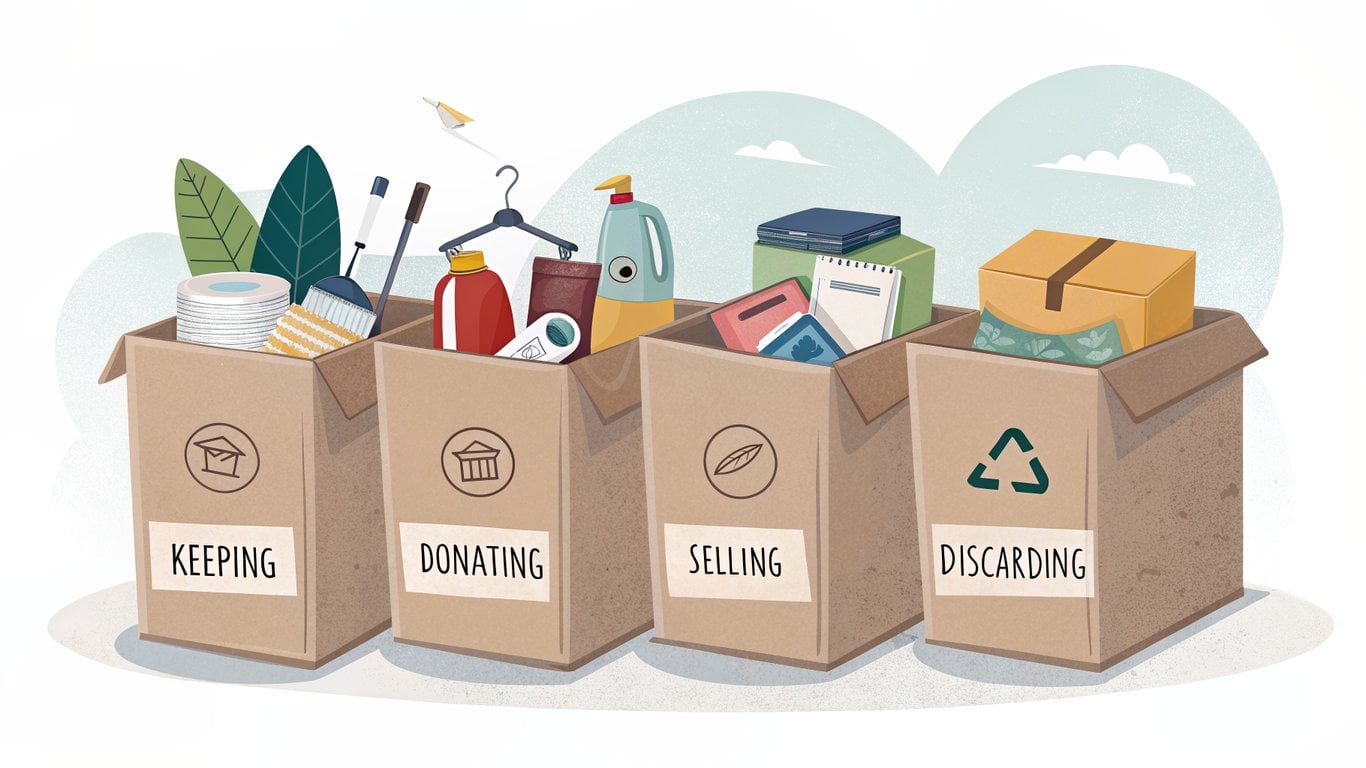
This is where the real work begins. The four-box method works well: keep, donate, sell, and discard. Label boxes clearly and tackle one room at a time.
Start with easier spaces like the garage or guest room. Save emotionally charged areas like your bedroom or family photo collections for later when you’ve built momentum.
Eliminate duplicates first. You probably don’t need three sets of dishes or five winter coats. This gives you quick wins and builds confidence for harder decisions ahead.
Months 2-1: Home Preparation and Listing
Take stock of repairs needed before listing. Small fixes like leaky faucets, loose doorknobs, or chipped paint can significantly impact buyer perception. You don’t need major renovations, but your home should feel well-maintained.
Texas buyers appreciate clean, neutral spaces. Consider light staging with your remaining furniture to show how rooms can be used. Remove personal photos and excess decorations.
Selecting the right real estate agent matters. Look for someone who understands senior transitions and won’t pressure you into quick decisions. Ask about their experience with downsizing clients and their typical timeline from listing to closing.
Final Month: Coordinating the Move
Finalize your moving company selection and confirm dates. Schedule utility transfers for both properties. Update your address with banks, insurance companies, Medicare, and the post office.
Pack a personal bag with medications, important documents, and essentials you’ll need immediately. Keep this with you on moving day, not on the truck.
Downsizing Tips for Seniors: 15 Actionable Strategies
These downsizing tips for seniors address both practical challenges and emotional hurdles. They’re organized to help you start without feeling overwhelmed, make smart decisions, and maintain your wellbeing throughout the process.
Tips 1-5: Getting Started Without Overwhelm
- Start with one room. Don’t try to tackle your entire house at once. Pick a small, less emotional space like a bathroom or linen closet. Completing one room builds momentum and confidence.
- Measure your new space first. Before deciding what to keep, know exactly how much room you’ll have. Measure doorways, hallways, and rooms. That king-size bed might not fit through your new apartment door.
- Create a floor plan. Sketch out where furniture will go in your new home. This makes it obvious what won’t fit and eliminates guesswork during packing.
- Take photos of sentimental items. You can’t keep everything, but you can keep the memories. Photograph items before donating or selling them. Digital memories take up zero physical space.
- Enlist family help effectively. Be specific about what you need. Instead of ‘help me sort,’ try ‘can you spend Saturday afternoon helping me go through the garage?’ Clear requests get better results.
Tips 6-10: Smart Sorting and Decision-Making
- Use the one-year rule. If you haven’t used something in a year, you probably won’t miss it. This applies to clothes, kitchen gadgets, and hobby supplies.
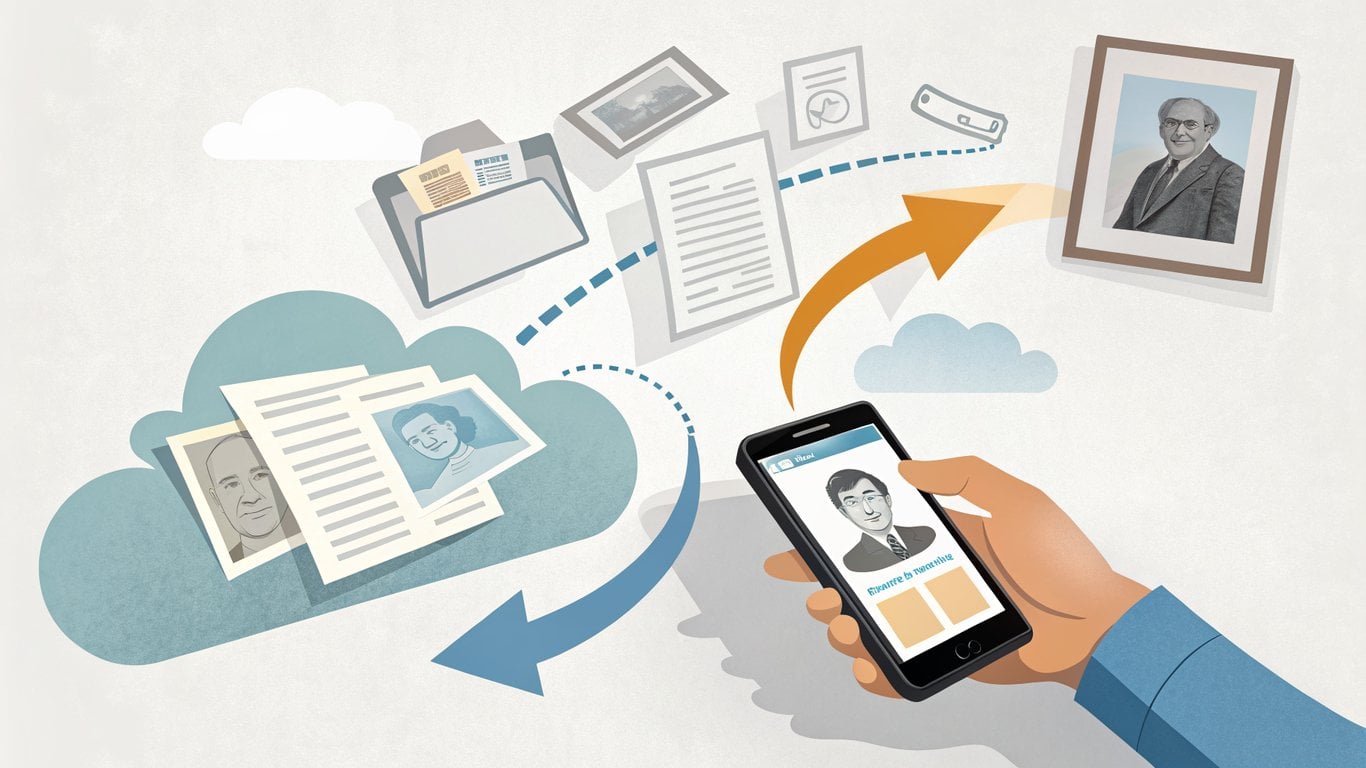
- Digitize documents and photos. Scan important papers and old photographs. Services exist specifically for this, or family members with smartphones can help. You’ll preserve memories while eliminating boxes of paper.
- Handle duplicates decisively. Keep your favorite set of dishes and donate the rest. One good coffee maker beats three mediocre ones taking up space.
- Prioritize comfort over quantity. Your new space should feel like home, not a storage unit. Keep items that bring you joy and comfort, even if they’re not ‘practical.’
- Make decisions when energized. Don’t sort possessions when you’re tired or emotional. Schedule decluttering sessions for times when you typically feel your best.
Tips 11-15: Maximizing Value and Minimizing Stress
- Consider hiring a senior move manager. These professionals specialize in helping older adults downsize. They handle everything from sorting to coordinating movers. The cost often pays for itself in reduced stress.
- Use professional organizers strategically. Even a few hours with an organizer can jumpstart your progress. They’re especially helpful for overwhelming spaces like attics or storage rooms.
- Schedule regular breaks. Downsizing is physically and emotionally exhausting. Plan rest days between sorting sessions. This isn’t a race.
- Celebrate small victories. Finished the kitchen? Donated three boxes? Acknowledge your progress. These milestones matter.
- Maintain perspective. You’re not losing your home; you’re gaining freedom from maintenance, lower expenses, and a fresh start. Focus on what you’re moving toward, not just what you’re leaving behind.
Estate Sale Planning: Turning Possessions into Profit in Texas
An estate sale can help you liquidate decades of accumulated possessions while generating funds for your move. But it’s not the right choice for everyone.
Deciding If an Estate Sale Is Right for You
Estate sales work best when you have quality furniture, collectibles, antiques, or large quantities of household goods. If most of your items are worn or inexpensive, you’ll probably do better with donations and selective online selling.
Consider the time commitment. Professional estate sales typically take 2-3 weeks from start to finish. DIY sales require even more time for pricing, advertising, and managing the actual sale days.
Hiring Estate Sale Professionals in Texas
Professional estate sale companies typically charge 30-40% commission on sales. That sounds steep, but they handle everything: pricing, staging, advertising, managing the sale, and cleanup.
Check references carefully. Ask for contact information from recent clients and actually call them. Find out if the company showed up on time, treated the home respectfully, and delivered promised proceeds promptly.
Get everything in writing. The contract should specify commission rates, what happens to unsold items, insurance coverage, and the timeline for receiving payment.
DIY Estate Sale Tips and Online Alternatives
Running your own sale saves commission but requires significant effort. Price items at 30-50% of retail value for quick sales. Group similar items together and clearly mark prices on everything.
Advertise on Facebook Marketplace, Nextdoor, and local community boards. Post photos of your best items to attract serious buyers.
Safety matters when hosting strangers in your home. Have family or friends present during the sale. Keep valuables you’re not selling locked away. Accept cash only to avoid payment scams.

Donation and Disposal Options for Remaining Items
Many Texas charities offer free pickup for furniture and household goods. Goodwill, Salvation Army, and Habitat for Humanity ReStores all operate in major Texas cities.
Get receipts for tax deductions. Document what you donated with photos and itemized lists. Your accountant can help determine the deductible value.
For hazardous materials like paint, chemicals, or electronics, check with your local waste management department. Most Texas cities offer special collection days or drop-off locations for these items.
Selling Your Texas Home: Special Considerations for Seniors
Understanding Texas Homestead Exemptions and Tax Benefits
Texas homestead exemptions reduce your property taxes, and you’ll want to understand how downsizing affects this benefit. If you’re moving to another Texas home, you can typically transfer your exemption to the new property.
Capital gains taxes rarely affect seniors selling their primary residence. Federal law allows individuals to exclude up to $250,000 in gains ($500,000 for married couples) if you’ve lived in the home for at least two of the past five years.
Consult with a tax professional before selling. Texas-specific rules and your individual situation might create opportunities or obligations you haven’t considered.
Choosing the Right Selling Method
Traditional listing through a real estate agent typically gets you the highest price. But it requires preparing your home, accommodating showings, and waiting for the right buyer. This process usually takes 30-90 days in Texas markets.
Cash buyers and real estate investors offer speed and convenience. They buy homes as-is, close quickly, and eliminate showing hassles. You’ll get less money, but sometimes the trade-off makes sense if you’re facing time pressure or your home needs significant repairs.
Special Circumstances: Probate, Divorce, and Financial Hardship
Selling during probate in Texas requires court approval and specific procedures. An experienced probate attorney can guide you through the process and help avoid costly mistakes.
Divorce settlements often require selling the family home. Texas is a community property state, which affects how proceeds are divided. Get legal advice specific to your situation.
If you’re facing foreclosure, Texas law provides certain protections for homeowners. Contact a HUD-approved housing counselor immediately. Free resources exist to help you explore options.
Working with Senior-Friendly Real Estate Agents
Look for agents with SRES certification (Seniors Real Estate Specialist). This designation means they’ve completed training on senior-specific issues like tax implications, estate planning, and downsizing challenges.
Ask potential agents about their communication style. Do they prefer email, phone calls, or text messages? Make sure their approach matches your preferences. You’ll be working together closely for weeks or months.
Interview at least three agents before deciding. Ask about their experience with senior clients, average time to sale, and how they’ll market your property. Trust your instincts about who you’ll work well with.
Moving Day and Beyond: Stress-Reduction Strategies
Hiring the Right Moving Company
Senior-friendly movers offer services beyond basic transportation. Look for companies that provide packing, unpacking, furniture arrangement, and even picture hanging. These extras cost more but dramatically reduce your workload.
Verify insurance coverage. Your belongings should be protected during the move. Understand the difference between basic coverage (typically pennies per pound) and full-value protection.
Red flags include companies that require large deposits, don’t provide written estimates, or can’t provide references. Get quotes from at least three companies and compare services, not just prices.
Essential Moving Day Checklist
Pack a personal bag with medications, important documents, phone chargers, and a change of clothes. Keep this with you, not on the moving truck.
Do a final walkthrough of your old home. Check every closet, cabinet, and drawer. Look in the attic, garage, and outdoor storage. It’s easy to overlook items in familiar spaces.
Coordinate with movers about timing and logistics. Confirm the address of your new home and any access restrictions like elevator reservations or parking permits.
Settling Into Your New Space
Unpack essentials first: bedding, toiletries, medications, and kitchen basics. You don’t need to unpack everything immediately. Take your time making your new space feel like home.
Arrange furniture with safety in mind. Ensure clear pathways, adequate lighting, and easy access to frequently used items. Your new space should support your mobility and independence.
Introduce yourself to neighbors. Building new connections helps you feel settled and provides a support network in your new community.
Emotional Adjustment and Self-Care
Feeling sad about leaving your old home is normal. You’re not just leaving a building; you’re leaving memories, familiar routines, and probably a neighborhood you’ve known for years.
Stay connected with your former community if that brings you comfort. You can still attend your old church, visit favorite restaurants, or meet friends for coffee.
Look for new social opportunities. Many senior living communities, libraries, and recreation centers offer activities and classes. Finding new routines helps you adjust.
If feelings of loss persist or interfere with daily life, talk to your doctor. Professional support can help you navigate this major life transition.
Texas-Specific Resources and Support for Downsizing Seniors
State and Local Assistance Programs
The Texas Health and Human Services coordinates Area Agencies on Aging throughout the state. These organizations offer information, referrals, and sometimes direct assistance with moving and downsizing.
Local senior centers often provide resources or can connect you with volunteers who help with packing, sorting, or moving. Call your city’s senior services department to learn what’s available.
Professional Services Directory
Senior move managers, estate sale companies, and professional organizers operate throughout Texas. The National Association of Senior Move Managers maintains a directory of certified professionals.
Real estate agents with senior specialization can be found through the Seniors Real Estate Specialist Council. Search by city to find qualified agents in your area.
Legal and Financial Advisors
Elder law attorneys help with estate planning, probate, and real estate transactions. The National Academy of Elder Law Attorneys offers a searchable directory of Texas practitioners.
Financial planners who specialize in retirement transitions can help you understand the financial implications of downsizing. Look for fee-only advisors who don’t earn commissions on products they recommend.
Your Successful Downsizing Journey Starts Today
Downsizing feels overwhelming at first. You’re looking at decades of possessions and memories, wondering how you’ll ever sort through it all.
But thousands of Texas seniors successfully downsize every year. They discover that letting go of excess stuff actually feels liberating. Lower maintenance, reduced expenses, and a fresh start in a space that fits their current needs.
Start small. Pick one drawer or one closet this week. Use the downsizing tips for seniors we’ve covered to make decisions without second-guessing yourself. Build momentum gradually.
Remember that you don’t have to do this alone. Family, friends, and professionals can help. The timeline we’ve outlined gives you structure, but adjust it to fit your situation. Some people need more time; others move faster.
Your next chapter is waiting. Take the first step today.