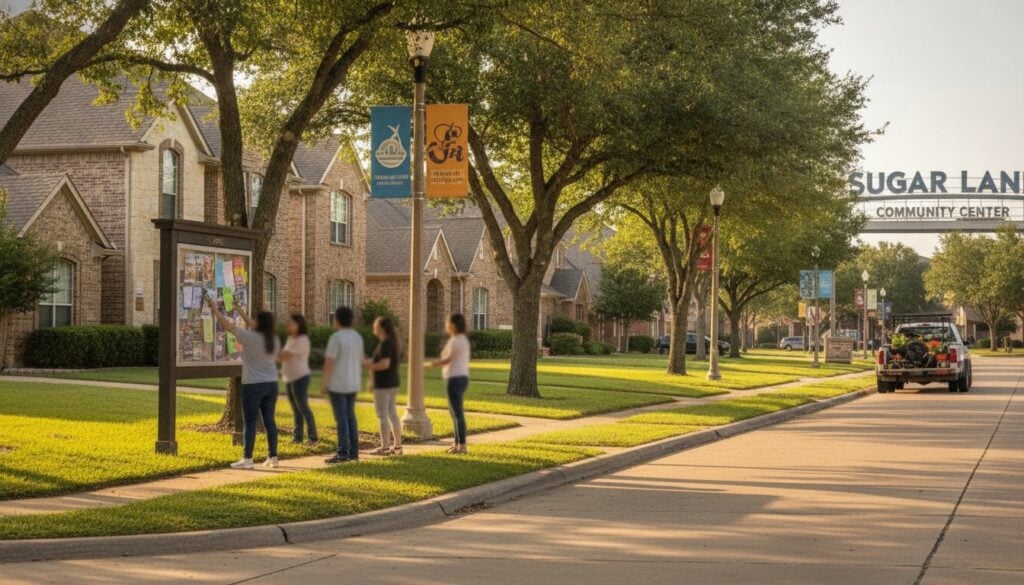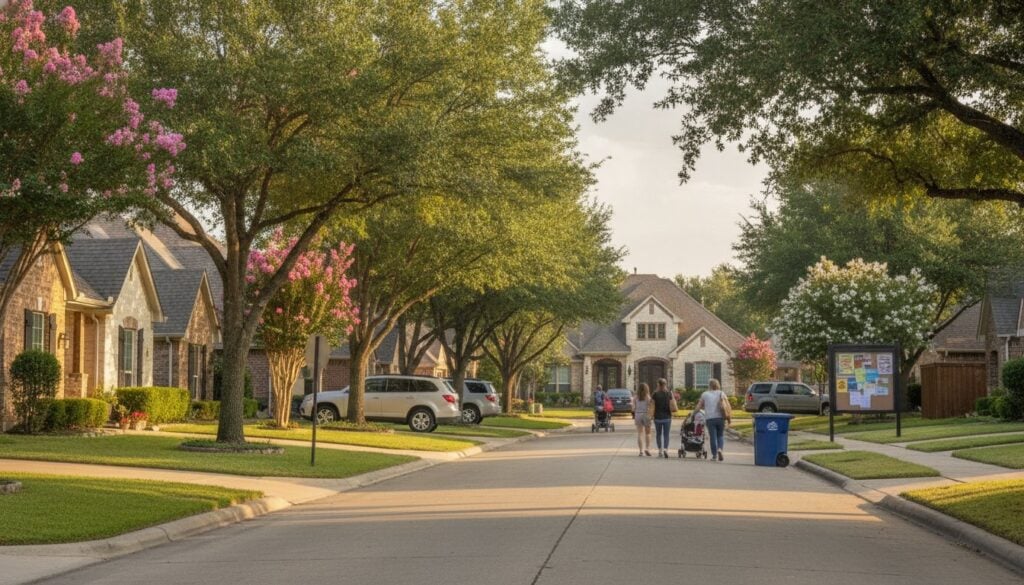
Fulshear’s real estate market has shifted gears. After years of rapid price increases, 2025 brought a 7% increase in home sales alongside growing inventory levels. If you’re thinking about selling your home here, you’re entering a market that’s normalizing but still active.
The average days on market hovers between 45-55 days, and updated homes are moving fastest. New construction incentives are creating fresh competition for resale properties, which means your selling strategy needs to be sharper than it was two years ago.

Why Fulshear Has Become a Hot Market
Fulshear sits in a sweet spot. You’re close enough to Houston for work commutes but far enough out to get more space for your money. The school districts draw families, and the master-planned communities offer amenities that make suburban life appealing.
People moving from other states often land here because they can afford larger homes than they could in their previous markets. The lifestyle factor matters too; newer neighborhoods come with pools, trails, and community centers that older Houston suburbs can’t always match.
2026 Market Snapshot: Key Statistics and Trends

The average price per square foot sits around $249, though this varies significantly by neighborhood. Inventory levels have increased compared to the tight market of 2023-2024, giving buyers more options and slightly more negotiating power.
Homes are taking longer to sell than they did during the pandemic boom, but 45-55 days is still relatively quick compared to many markets. The shift from a seller’s market to a more balanced one means pricing strategy matters more than ever.
Who This Guide Is For
This guide addresses traditional sellers looking to maximize their sale price, but it also covers unique situations. If you’re selling during a divorce, dealing with probate, facing foreclosure, or managing an inherited property, you’ll find specific guidance for your circumstances.
Investors and landlords will also find relevant information about timing and market positioning. The strategies differ depending on your situation, and we’ll address those variations throughout.
What’s Driving the 2026 Market
Market Shift: From Rapid Growth to Normalized Pace
The Katy-Fulshear market experienced a notable shift in 2025. After several years of rapid appreciation, the market settled into a more sustainable rhythm. The 7% increase in sales volume suggests healthy activity, but the dynamics have changed.
Sellers can’t expect multiple offers within 24 hours anymore. Buyers are taking their time, comparing options, and negotiating more actively. This doesn’t mean it’s a bad time to sell; it just means you need a smarter approach.
Inventory Levels and Supply Dynamics
More homes are available now than in recent years. This increased inventory gives buyers choices, which affects your pricing power. In nearby markets like The Woodlands, months of supply sits around 2.5 months, which still indicates a seller’s market (anything under 4 months typically does).
Fulshear’s inventory situation is similar. You’re not competing with dozens of identical homes, but you’re also not the only option in your price range and neighborhood. Understanding your specific competition matters more than general market statistics.
Price Trends and Appreciation Patterns

The $249 per square foot average provides a benchmark, but neighborhood-specific pricing varies widely. Newer master-planned communities often command higher prices per square foot than older established areas.
Appreciation expectations should be realistic. The double-digit annual increases of 2020-2022 aren’t sustainable or typical. More modest appreciation in the 3-5% range annually is probably more realistic for the next few years.
How New Construction is Reshaping the Market
Major Developments and Master-Planned Communities
Master-planned communities dominate Fulshear’s growth. These developments offer amenities, newer infrastructure, and the appeal of everything being fresh and modern. For resale homeowners, this creates both challenges and opportunities.
The continuous development means your neighborhood’s character can change. New retail centers, schools, and parks can boost property values, but they also bring more traffic and construction activity in the short term.
New Construction Incentives and Their Impact on Resales
Builders are offering incentives that resale sellers can’t match. Rate buydowns, closing cost assistance, and included upgrades make new homes attractive even when the base price seems higher.
This doesn’t mean you can’t compete. Your home is available now (no 6-month construction wait), has mature landscaping, and comes with a known neighborhood dynamic. Some buyers prefer the character of a lived-in home over the sterile feel of new construction.
Competing with New Builds: Strategies for Resale Homes

Position your home’s advantages clearly. Established trees provide shade that new construction won’t have for years. Your neighborhood’s community feel is already developed. You can offer flexibility on closing dates that builders can’t.
Price competitively when comparing to new construction. If a buyer can get a brand new home for $450,000 with $10,000 in closing cost assistance, your similar resale home needs to be priced to account for that effective $440,000 competition.
What Buyers Want in Fulshear Texas Homes
Must-Have Home Features in 2026
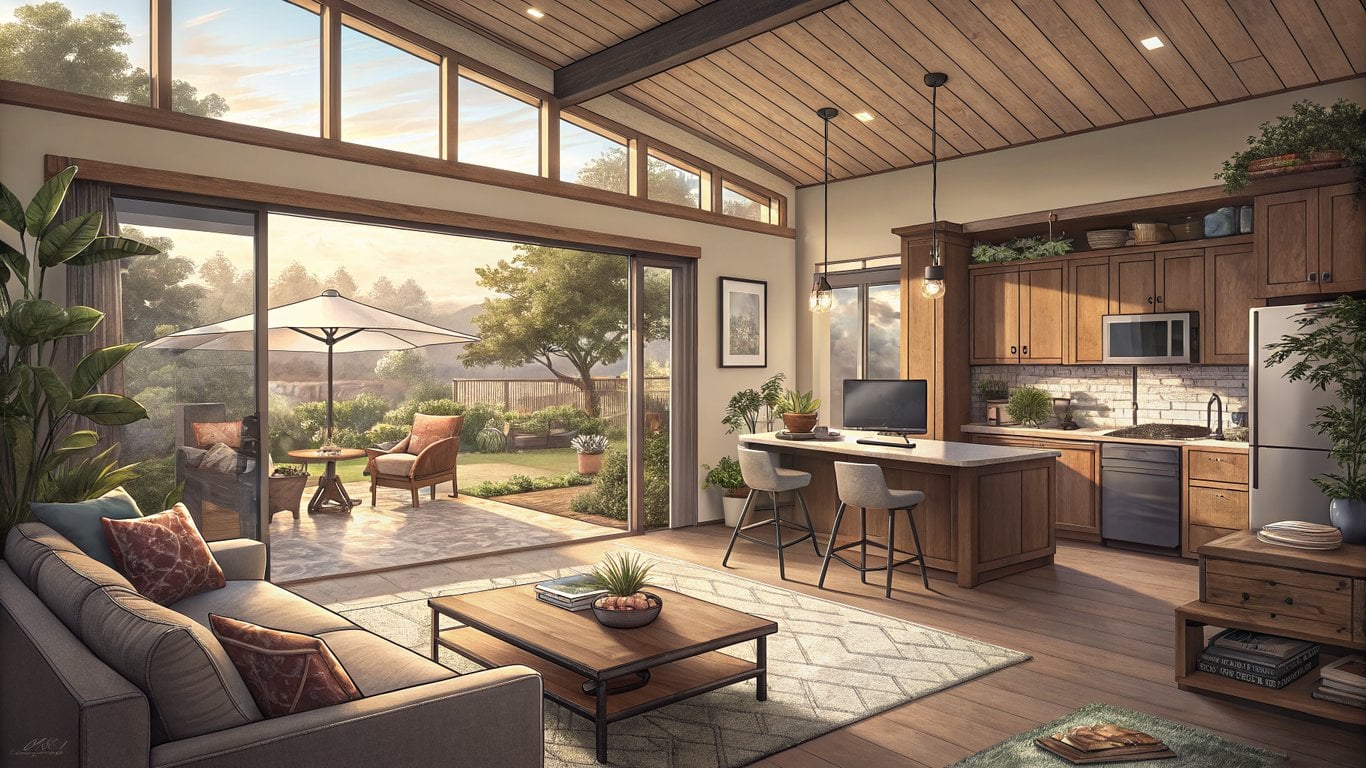
Open floor plans aren’t just preferred; they’re expected. Buyers want to see the kitchen from the living area. Home offices have become essential rather than nice-to-have, a lasting change from pandemic-era work patterns.
Outdoor living spaces matter in Texas. A covered patio isn’t a luxury; it’s standard. Energy efficiency features like good insulation and efficient HVAC systems directly impact monthly costs, which buyers calculate into their budgets.
Updated vs. Original Condition: The Speed Factor
Updated homes are selling fastest in the current market. Move-in ready means different things to different buyers, but generally it means no immediate repairs or updates needed. Fresh paint, modern fixtures, and functioning systems are baseline expectations.
If your home needs work, you have two choices: update before listing or price accordingly. The first option typically nets more money but requires upfront investment. The second attracts investors or buyers willing to renovate, but expect lower offers.
Features That Don’t Add Value
Don’t over-improve for your neighborhood. Installing a $50,000 pool in a neighborhood where most homes sell for $350,000 won’t return your investment. Highly personalized upgrades like custom murals or unusual color schemes often need to be undone by new owners.
Luxury upgrades in starter home price ranges rarely pay off. Granite countertops make sense; imported Italian marble probably doesn’t if you’re selling a $300,000 home.
When to List Your Fulshear Home for Maximum Profit
Best Months to List in the Fulshear Market
Spring remains the strongest selling season. Families want to move during summer break, so they start looking in March and April. Your home shows better when landscaping is green and flowers are blooming.
Summer can work if you list early (May-June). By August, activity slows as families settle into new school years. Fall brings a smaller but serious buyer pool; people listing in October or November usually need to move and are motivated.
Winter is the slowest season, but less competition can work in your favor if your home is priced right. Holiday decorations can make homes feel cozy, though they also make photography and showings more complicated.
Life Situation Timing Considerations
Divorce sales often have court-imposed timelines. You might not have the luxury of waiting for spring market. In these cases, pricing aggressively to sell quickly often makes more sense than holding out for top dollar while paying two mortgages.
Probate situations in Texas can take months to resolve. If you’re selling an inherited property, understand that court approval requirements may extend your timeline regardless of market conditions.
Pre-foreclosure sellers have the tightest timelines. If you’re behind on payments, every month you wait costs more in late fees and credit damage. Speed becomes more important than maximizing price.
The Cost of Waiting: Carrying Costs vs. Market Appreciation
Calculate your monthly carrying costs: mortgage, insurance, taxes, utilities, and maintenance. If these total $3,000 monthly and you wait six months hoping for a better market, you’ve spent $18,000. Will prices increase enough to offset that cost?
In a normalizing market, waiting rarely pays off unless you have specific knowledge of upcoming developments that will boost values. The opportunity cost of having your equity tied up in a property you don’t want also matters.
Proven Selling Strategies for Fulshear Texas Homes
Pricing Strategy in a Normalizing Market
Overpricing is the most common mistake in a balanced market. Buyers have options now, and they’re comparing actively. Price your home based on recent sales of similar properties, not what you think it’s worth or what you need to get from it.
The first two weeks on market are crucial. Most serious buyers see new listings immediately through automated searches. If you’re overpriced, you’ll miss this initial wave of interest, and your listing becomes stale.
Pre-Listing Preparations and Home Staging
Deep clean everything. Buyers notice dirty grout, dusty ceiling fans, and grimy windows. These small details create an impression of poor maintenance that extends to bigger concerns.
Declutter aggressively. Remove personal photos, excess furniture, and anything that makes spaces feel smaller. Buyers need to envision their belongings in your home, which is hard when your stuff fills every surface.
Curb appeal matters enormously in Texas heat. Dead grass and overgrown landscaping suggest neglect. Fresh mulch, trimmed bushes, and a mowed lawn cost little but impact first impressions significantly.
Choosing the Right Real Estate Agent
Local market expertise matters more than brand name. An agent who knows Fulshear specifically understands neighborhood nuances, pricing trends, and buyer preferences that a general Houston-area agent might miss.
Ask about their marketing plan. How will they promote your home beyond just listing it on HAR.com? What’s their social media strategy? Do they use professional photography and virtual tours?
Alternative Selling Options: Cash Buyers and iBuyers
Cash buyers and instant offer companies provide speed and certainty at the cost of lower prices. If you’re facing foreclosure, going through a difficult divorce, or need to relocate immediately for work, accepting 10-15% less than market value might make sense.
These options work best when your situation makes speed more valuable than maximum price. They’re not ideal if you have time to market properly and can wait for the right buyer.
Selling Under Unique Circumstances
Divorce Sales: Navigating Emotional and Legal Complexities
Divorce sales require coordination between parties who may not be communicating well. Agree on a listing price, agent selection, and decision-making process before listing. Court orders often specify these details, which can actually simplify the process by removing negotiation.
Maintaining the property during the sale process can be contentious. If one party has moved out, who handles repairs, lawn care, and showing preparation? Address these questions upfront to avoid delays and conflicts.
Probate Property Sales in Texas
Texas probate can follow independent or dependent administration. Independent administration allows more flexibility in selling property without court approval for every decision. Dependent administration requires court approval at multiple steps, extending timelines.
Multiple heirs complicate decisions. Everyone needs to agree on listing price, agent selection, and offer acceptance. Consider appointing one person to handle communications with the agent to streamline the process.
Pre-Foreclosure and Short Sale Options
If you’re behind on payments, understand your timeline. Texas foreclosure processes move relatively quickly compared to some states. Once you receive a notice of default, you typically have a few months before the foreclosure sale.
Short sales require lender approval and can take months to complete. The lender must agree to accept less than the full mortgage balance. This process is complex and often frustrating, but it’s better for your credit than foreclosure.
Your Fulshear Selling Action Plan
The Fulshear market in 2026 offers opportunities for sellers who approach it strategically. The days of listing any property and receiving multiple offers within hours are gone, but homes are still selling at reasonable prices when positioned correctly.
Focus on what you can control: pricing, presentation, and timing. Updated homes sell faster, so invest in cost-effective improvements that buyers notice. Price based on current market data, not past sales or future hopes. Time your listing to match your personal situation while considering seasonal patterns when possible.
If you’re dealing with divorce, probate, or foreclosure, prioritize speed and certainty over maximizing price. The emotional and financial costs of prolonged sales often outweigh the potential for slightly higher offers.
Start by researching recent sales in your specific neighborhood. Talk to local agents who know Fulshear’s nuances. Get your home in showing condition before listing. And remember that in a normalizing market, realistic expectations and strong execution matter more than perfect timing.