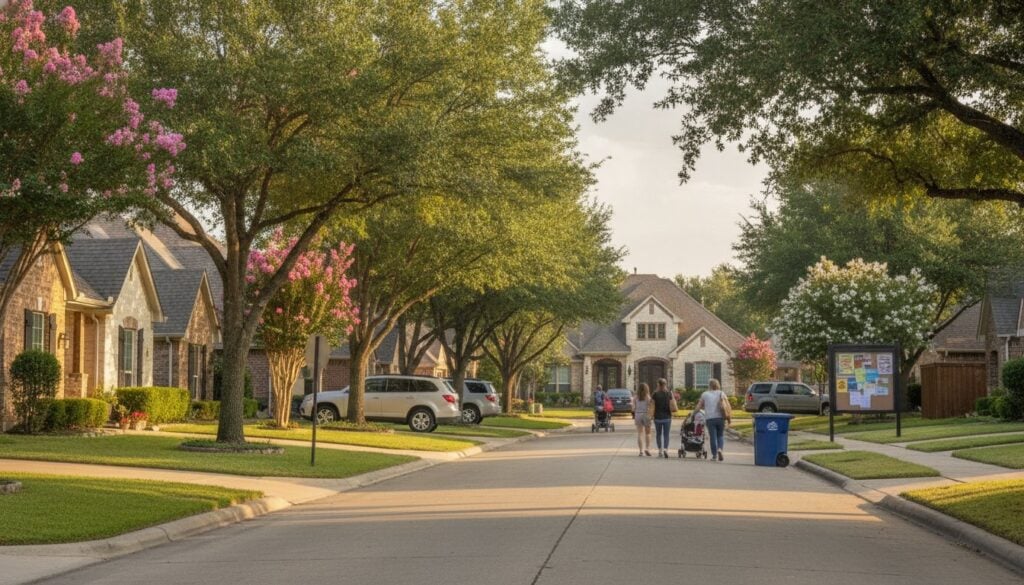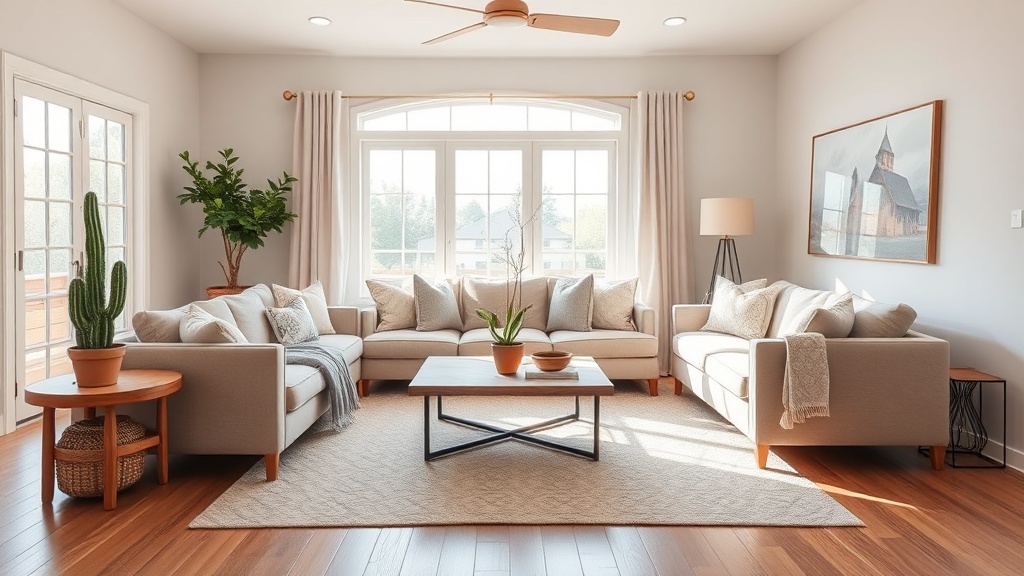
You’ve decided to sell your Texas home. Now comes the part that separates homes that sit on the market for months from those that get multiple offers within days.
Staging isn’t about tricking buyers or hiding flaws. It’s about helping potential buyers see themselves living in your space. When done right, staging removes distractions and highlights your home’s best features.
Texas buyers are looking at dozens of listings online before they ever schedule a showing. Your staged home needs to stand out in those first few photos, or you won’t get foot traffic through the door.
The ROI of Home Staging: What Texas Sellers Need to Know
Staged homes typically sell faster and for more money than unstaged ones. The investment you make in staging often pays for itself several times over.
Most sellers spend between $500 and $2,000 on staging efforts, depending on whether they DIY or hire professionals. That might sound like a lot, but consider this: homes that sit on the market longer often end up selling for less than asking price. Every extra month your home sits unsold costs you mortgage payments, utilities, and potentially thousands in price reductions.
In competitive Texas markets like Austin, Dallas, and Houston, staging has become almost expected. Buyers are comparing your home to others that have been professionally presented.
Understanding Your Timeline and Budget
Before you start moving furniture around, figure out what you’re working with. If you need to sell within 30 days, you’ll prioritize differently than someone with a three-month timeline.
Quick assessment: Can you invest 2-4 weekends of work? Do you have $500-1,000 for materials and small upgrades? Are you physically able to do the work yourself, or will you need to hire help?
Your answers determine whether you’re doing a full staging overhaul or focusing on high-impact areas only. Both approaches can work, you just need to be realistic about your constraints.
Pre-Staging Essentials: The Foundation for Success
Don’t skip these steps. Seriously. You can’t stage a dirty, cluttered, or damaged home effectively. These foundational tasks create the blank canvas you need.
Deep Clean Every Surface
This isn’t your regular Saturday cleaning routine. We’re talking about the kind of clean where you get down on your hands and knees and scrub baseboards.
- Wash all windows inside and out (Texas dust accumulates fast)
- Clean light fixtures and ceiling fans
- Scrub grout in bathrooms and kitchens
- Wipe down all cabinet fronts and hardware
- Clean inside appliances, including the oven and refrigerator
- Vacuum and shampoo all carpets
- Dust ceiling corners and remove cobwebs
- Clean air vents and replace filters
If you haven’t deep cleaned in a while, consider hiring professionals for carpets and windows. It’s worth the $200-400 investment.
Declutter and Depersonalize
This is where most sellers struggle emotionally. Your family photos, your kid’s artwork, your collection of vintage beer steins? They all need to go into storage.
Buyers need to imagine their stuff in your space, not admire yours. Remove about 50% of your furniture and 80% of your decorative items. Yes, really.
Rent a storage unit if you need to. Clear off kitchen counters completely except for maybe a coffee maker. Empty out half your closets so they look spacious. Get rid of refrigerator magnets, personal photos, and anything that screams ‘this is the Smith family’s house.’
Make Critical Repairs
Walk through your home like a buyer would. What catches your eye in a bad way?
- Fix leaky faucets and running toilets
- Repair cracked tiles or damaged flooring
- Patch holes in walls from removed fixtures
- Replace broken light switches or outlets
- Fix sticky doors and squeaky hinges
- Repair damaged window screens
- Address any obvious electrical or plumbing issues
These repairs signal to buyers that you’ve maintained the home. Small issues make buyers wonder what bigger problems you’re hiding.
Neutralize Paint Colors
That bold red accent wall in your dining room? It’s costing you buyers. Neutral doesn’t mean boring, it means broadly appealing.
Stick with warm whites, soft grays, or light beiges. Sherwin-Williams colors like Agreeable Gray or Benjamin Moore’s Simply White are popular for good reason. They work with most furniture and let buyers focus on the space, not your color choices.
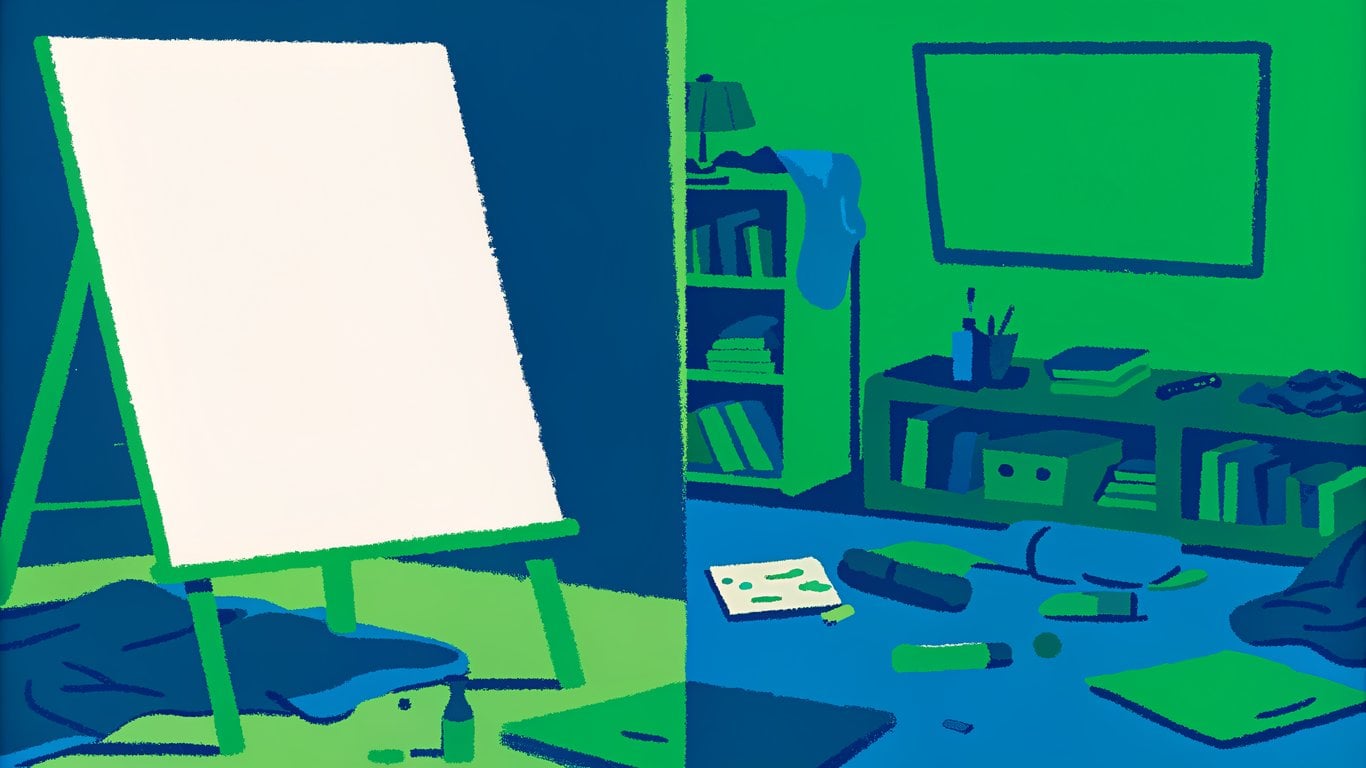
You don’t necessarily need to repaint the entire house, but definitely address any bold or dark colors in main living areas.
Room-by-Room Staging Checklist: How to Stage a Home to Sell Fast
Now we get to the actual staging. Each room has specific priorities that matter to buyers.
Curb Appeal and Exterior Staging
Buyers decide whether to get out of the car based on your exterior. In Texas heat, maintaining curb appeal takes extra effort.
- Mow, edge, and fertilize the lawn weekly
- Add fresh mulch to flower beds (2-3 inches deep)
- Plant colorful annuals near the entrance
- Power wash the driveway, walkways, and siding
- Paint or stain the front door in a welcoming color
- Replace or polish door hardware
- Clean or replace the doormat
- Add potted plants flanking the entrance
- Ensure all exterior lights work and consider upgrading fixtures
- Trim overgrown bushes and trees
- Remove any dead plants or weeds
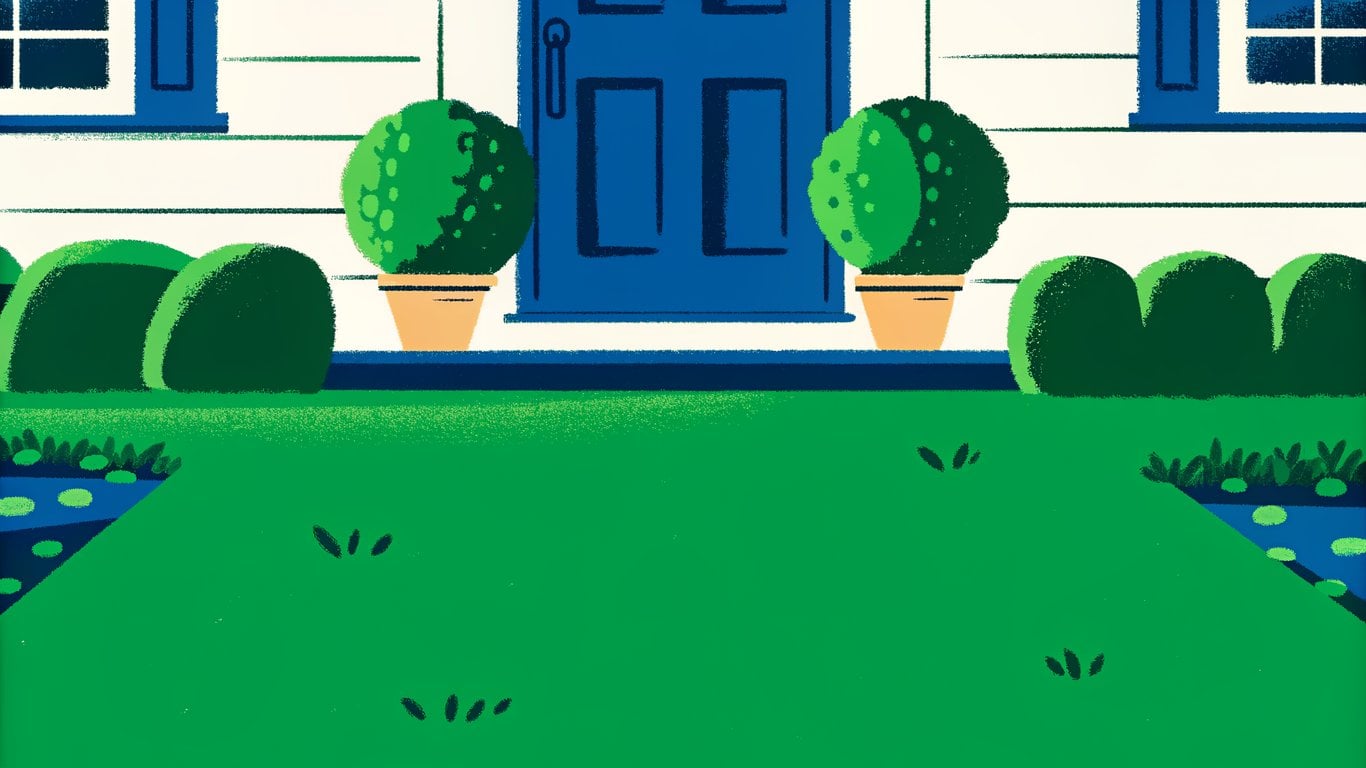
Your mailbox matters too. If it’s rusty or damaged, replace it. This is a $30 fix that makes a difference.
Living Room Staging Checklist
The living room needs to feel spacious and inviting. Arrange furniture to create conversation areas, not a home theater setup.
- Remove excess furniture to maximize floor space
- Arrange seating to create a focal point (fireplace or window view)
- Add or update throw pillows in neutral colors with one accent color
- Place a simple area rug to define the space
- Style coffee table with 1-3 items maximum (books, small plant, decorative bowl)
- Ensure all lamps work and use bulbs of consistent color temperature
- Open curtains to maximize natural light
- Remove personal photos and replace with simple artwork
- Hide TV cables and remote controls
If your furniture is worn or outdated, consider renting staging furniture. It’s cheaper than you think and makes a huge difference in photos.
Kitchen Staging Checklist
Kitchens sell homes. Buyers spend more time looking at kitchen photos than any other room.
- Clear all countertops except coffee maker or one decorative item
- Remove refrigerator magnets and papers
- Clean inside cabinets and organize neatly (buyers will look)
- Replace old dish towels with new, matching ones
- Add a bowl of fresh fruit or a small plant as a focal point
- Ensure all appliances are spotless, especially stainless steel
- Remove small appliances from counters (toaster, blender, etc.)
- Clean inside the oven and microwave
- Replace any burnt-out bulbs
- Consider adding under-cabinet lighting if you don’t have it
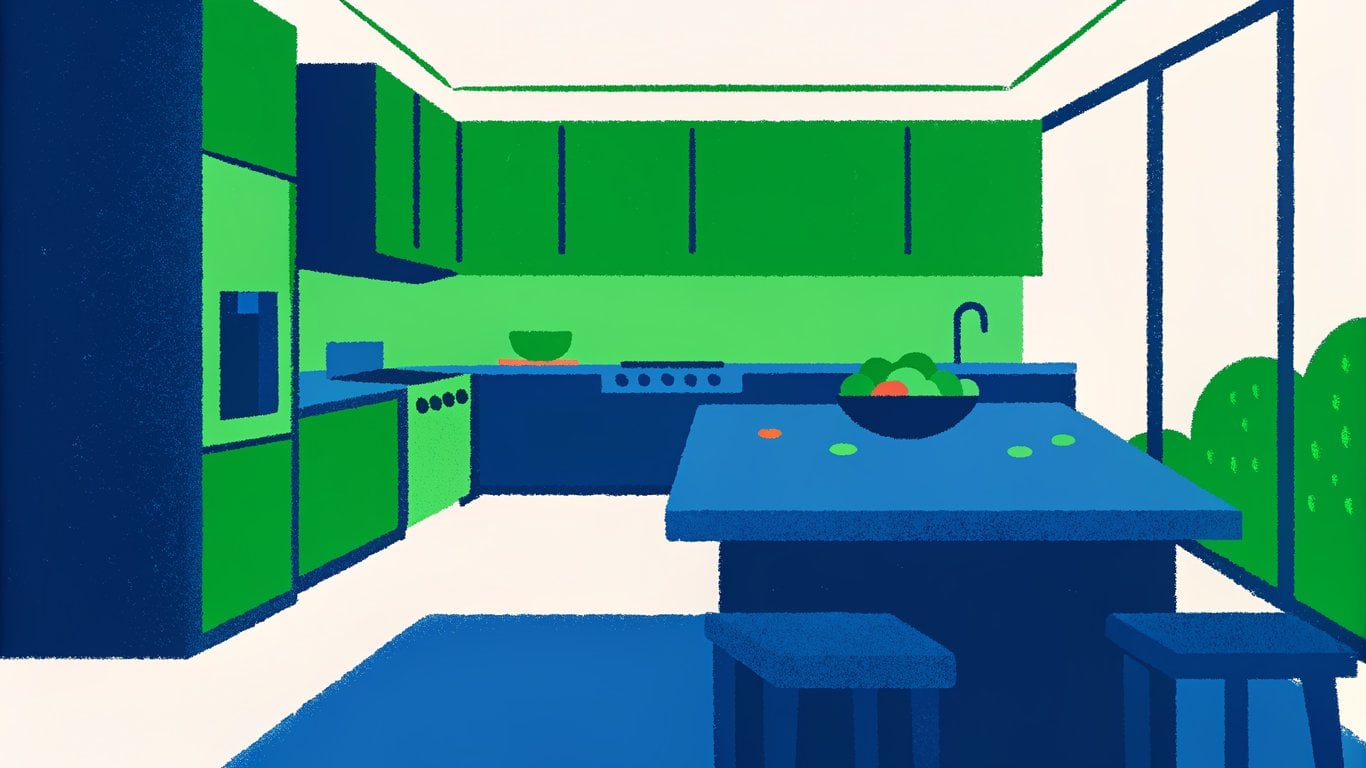
Your kitchen should look like a model home kitchen, not a working kitchen. Store everything you use daily.
Master Bedroom Staging Checklist
The master bedroom should feel like a retreat. Think hotel room, not lived-in bedroom.
- Invest in a new comforter or duvet in a neutral color
- Add decorative pillows (5-7 pillows arranged nicely)
- Remove all personal items from nightstands
- Clear out at least half of the closet to show space
- Add matching hangers in the closet
- Remove exercise equipment and laundry baskets
- Add a simple area rug if you have hardwood floors
- Place matching lamps on nightstands
- Hang simple, neutral artwork above the bed
- Make sure all bedding is crisp and wrinkle-free
Buyers open closets. Organize yours so it looks like you have plenty of space, even if you don’t.
Bathroom Staging Checklist
Bathrooms need to sparkle. There’s no room for error here.
- Deep clean everything, especially grout and fixtures
- Replace old caulk if it’s yellowed or moldy
- Buy new, matching towels in white or neutral colors
- Clear all counters except for a soap dispenser
- Remove all personal hygiene products
- Add a small plant or decorative item
- Replace shower curtain if needed
- Ensure toilet lid is down for showings
- Add a new bath mat
- Make sure all drains work properly and don’t smell
White towels are your friend. They photograph well and make the space feel clean and spa-like.
Additional Bedrooms Staging Checklist
Define what each bedroom is. Guest room? Home office? Kids’ room? Don’t leave it ambiguous.
- Remove excess furniture to show room size
- Stage one room as a home office if you don’t have a dedicated office space
- Use appropriately sized furniture (not oversized pieces in small rooms)
- Keep kids’ rooms simple with minimal toys visible
- Add fresh bedding in neutral colors
- Clear closets to show storage space
- Remove personal items and photos
With remote work being common, staging a bedroom as a functional office space can be a smart move.
Dining Room Staging Checklist
The dining room should suggest entertaining possibilities without looking like you’re about to serve dinner.
- Set the table with simple place settings (plates, napkins, glasses)
- Add a centerpiece (fresh flowers or a simple bowl)
- Ensure the chandelier or light fixture is clean and working
- Remove extra chairs if the room feels crowded
- Clear any buffet or sideboard surfaces
- Add a mirror to make the space feel larger
Bonus Spaces: Home Office, Garage, and Outdoor Areas
Don’t forget these spaces. In Texas, outdoor living areas are particularly important.
Home Office: Keep it simple with a clean desk, comfortable chair, and minimal decor. Show that it’s a functional workspace.
Garage: Organize tools, sweep the floor, and show that there’s actually room for cars. Many buyers use this as storage, but it shouldn’t look like a junk pile.
Outdoor Areas: Clean and arrange patio furniture, add cushions, show off your grill area, and make sure the pool (if you have one) is crystal clear. Texas buyers value outdoor living space highly.
Low-Cost Upgrades with the Highest ROI
These upgrades punch above their weight. Small investments that make buyers think your home is well-maintained and updated.
Lighting Upgrades: Brighten Your Home’s Appeal
Dark homes don’t sell. Bright homes do. It’s that simple.
Replace outdated light fixtures in key areas like the entryway, dining room, and bathrooms. You can find modern fixtures at Home Depot or Lowe’s for $50-150 each.
Increase bulb wattage where possible (check fixture limits). Use LED bulbs in the 2700K-3000K range for warm, inviting light. Add dimmer switches in living areas for about $15 per switch.
Total investment: $300-500. Impact: Massive.
Hardware and Fixture Updates
Replacing cabinet pulls, door handles, and faucets is one of the easiest updates you can make.
Modern brushed nickel or matte black hardware looks current and costs about $3-5 per pull. A kitchen with 20 cabinets costs around $100 to update. New bathroom faucets run $50-150 each.
Don’t forget switch plates and outlet covers. Replace any that are yellowed or painted over. They’re $1-2 each and make everything look cleaner.
Fresh Paint Touch-Ups and Accent Walls
You don’t need to repaint the entire house, but strategic painting makes a difference.
Paint the front door a welcoming color (navy, black, or deep red work well). Touch up scuffed walls and baseboards. Paint any dated wood trim white to modernize the look.
A gallon of quality paint costs $30-50 and covers about 400 square feet. Most touch-up projects cost under $200 in materials.
Landscaping and Outdoor Improvements
Texas heat is tough on landscaping, but buyers still expect curb appeal.
Add 2-3 cubic yards of mulch to flower beds ($100-150). Plant colorful, heat-tolerant annuals like petunias or marigolds ($50-100). Power wash your driveway, walkway, and home exterior ($150-300 if you rent the equipment).
These improvements cost $300-550 total but can add thousands to your perceived home value.
Flooring Quick Fixes
You probably don’t need to replace flooring unless it’s truly damaged. Professional carpet cleaning costs $100-200 and makes old carpet look significantly better.
For hardwood floors, professional cleaning and polishing runs $200-400. Strategic area rugs can hide problem spots for $100-300.
Kitchen and Bathroom Budget Refreshes
Full kitchen and bathroom renovations aren’t necessary. Focus on high-impact, low-cost updates.
Paint kitchen cabinets instead of replacing them ($200-400 in materials if you DIY). Add a peel-and-stick backsplash ($100-200). Replace faucets and cabinet hardware ($200-400 total).
In bathrooms, update the vanity faucet, add new towel bars, and replace the mirror if it’s dated. Total cost: $200-500 per bathroom.
Texas-Specific Staging Considerations
Texas has unique factors that affect how you should stage your home.
Climate Control and Energy Efficiency Highlights
Texas summers are brutal. Buyers care about cooling costs and efficiency.
Make sure your AC is serviced and running efficiently before showings. Set the thermostat to 72-74 degrees for showings. If you have a newer HVAC system or good insulation, mention it in your listing.
Replace your air filters before showings. It’s a small detail that shows maintenance. If you have a smart thermostat like Nest or Ecobee, highlight it.
Outdoor Living Spaces in Texas
Texans use their outdoor spaces year-round. Stage them accordingly.
Clean and arrange patio furniture. Add outdoor cushions and pillows. If you have a covered patio, show how it can be used as an extension of living space. Make sure your grill area is clean and functional.
Pool owners: keep it sparkling clean and properly maintained. A dirty pool is a huge turnoff and makes buyers worry about maintenance costs.
Regional Style Preferences
Texas is big, and style preferences vary by region.
Austin tends toward modern and contemporary. Dallas and Houston have more traditional preferences. San Antonio appreciates Spanish and Mediterranean influences. Rural areas often prefer ranch or farmhouse styles.
Look at recently sold homes in your neighborhood to see what’s working. Your staging should align with local buyer expectations.
Final Touches: Preparing for Showings and Photos
You’ve done the hard work. Now maintain it and optimize for both photos and in-person showings.
The 15-Minute Pre-Showing Checklist
Before every showing, run through this quick routine.
- Turn on all lights, including lamps and under-cabinet lighting
- Open all curtains and blinds
- Set temperature to comfortable level (72-74 degrees)
- Do a quick surface clean of kitchen and bathrooms
- Fluff pillows and straighten bedding
- Remove any dishes from the sink
- Take out trash and recycling
- Hide pet items (bowls, toys, litter boxes)
- Light a subtle candle or use a light air freshener
- Turn off TVs and put away remotes
Leave the house during showings. Buyers feel uncomfortable with sellers present and won’t look as thoroughly.
Optimizing for Professional Photography
Your listing photos are the most important marketing tool you have. Most buyers won’t schedule a showing if the photos don’t impress them.
Hire a professional real estate photographer. It costs $150-300 and is absolutely worth it. They know how to make rooms look spacious and bright.
For photo day: turn on every light, open all window treatments, remove all personal items from view, and make sure everything is perfectly clean. Remove cars from the driveway and garage.
Creating Sensory Appeal
Buyers use all their senses when viewing homes. Don’t just focus on visual appeal.
Keep the temperature comfortable. Use subtle scents like vanilla or fresh linen, but don’t overdo it. Strong scents make buyers suspicious that you’re hiding something.
Some sellers play soft background music during showings. If you do this, keep it neutral and low volume.
Virtual Tour and Online Listing Optimization
Most Texas buyers start their search on Zillow, Realtor.com, or HAR.com. Your online presence matters as much as the physical showing.
Make sure your listing has at least 25-30 high-quality photos. Include photos of every room, outdoor spaces, and special features. Consider adding a virtual tour or video walkthrough.
Your listing description should highlight the staging work you’ve done and any recent upgrades.
Your Action Plan for a Fast Sale
Learning how to stage a home to sell fast comes down to execution. You now have the complete checklist, but implementation is what matters.
30-Day Staging Timeline
Week 1: Deep clean, declutter, and rent storage unit. Make critical repairs. Start neutralizing paint colors.
Week 2: Complete painting. Update hardware and fixtures. Work on curb appeal and landscaping.
Week 3: Stage each room according to checklists. Purchase any needed staging items (pillows, towels, etc.). Complete outdoor staging.
Week 4: Final touches and adjustments. Schedule professional photography. Practice your 15-minute pre-showing routine.
When to DIY vs. Hire a Professional Stager
Most sellers can handle staging themselves using these checklists. You’ll save $1,500-3,000 in professional staging fees.
Consider hiring a professional if your home is vacant, if you have outdated furniture, if you’re selling a luxury property, or if you’re struggling to get showings after a few weeks on the market.
Some stagers offer consultation-only services for $200-400. They’ll walk through your home and give specific recommendations, then you do the work yourself.
Measuring Your Success
After staging, you should see increased showing requests within the first week. Pay attention to feedback from buyers and agents.
If you’re getting showings but no offers, the price might be the issue, not the staging. If you’re not getting showings at all, your photos probably aren’t strong enough.
Staged homes in good condition typically receive offers within 30-45 days in most Texas markets. If you’re past that timeline, reassess your staging and pricing strategy with your agent.
The effort you put into staging pays off. Buyers remember well-presented homes and often come back for second showings. Your goal is to be the home they can’t stop thinking about.