Home Pricing Strategies to Sell Fast and Maximize Profit
Setting the right price is the single most important decision a seller makes when preparing a home for market, because pricing strategy directly affects days on market, buyer perception, and net proceeds. This guide teaches practical pricing strategies for selling homes, from Comparative Market Analysis (CMA) basics to psychological pricing, market-condition tactics, staging ROI, and sensitive scenarios like probate or divorce sales. Sellers will learn how to define market value, when to use competitive or premium pricing, and how AI-driven data analytics and targeted buyer matching refine price selection for faster, more profitable outcomes. The article maps a clear process: determine value with reliable methods, choose an effective pricing strategy, adjust for local market conditions and seasonality, maximize profit through improvements and marketing, and apply compassionate, specialist pricing in complex situations. Throughout, readers get actionable checklists, comparison tables, and concise lists to enable confident pricing decisions in 2025 market conditions and beyond.
How Do You Determine the Best Price for Your Home?
Determining the best price starts with a practical valuation method that combines comparable sales, local market trends, and condition-based adjustments to estimate market value. This approach works because it aligns asking price with buyer expectations and financing norms, reducing days on market and improving the chance of competitive offers. The immediate benefit is a defensible list price that simplifies negotiation and positions the property effectively within online search filters and buyer budgets. Below are core valuation methods sellers commonly use and how they differ.
A quick comparison of valuation approaches helps clarify trade-offs for sellers before selecting a formal pricing route.
| Valuation Method | Typical Use Case | Reliability / Cost |
|---|---|---|
| Comparative Market Analysis (CMA) | Agent-driven local pricing for listing decisions | High reliability locally / low cost |
| Professional Appraisal | Required for financing, formal valuation | Very accurate for lending / moderate cost |
| Online Valuation (AVM) | Quick estimate for homeowner curiosity | Fast and free / lower accuracy for unique homes |
What Is Comparative Market Analysis and Why Is It Essential?

A Comparative Market Analysis (CMA) is an agent-prepared valuation that compares recent nearby sales, active listings, and pending transactions to estimate a realistic price range. The mechanism involves selecting closely matched comps, making condition and feature adjustments, and factoring current inventory and days on market to refine a suggested list price. The benefit is a market-tested price that buyers and lenders recognize, helping a seller avoid overpricing or leaving money on the table.
A simple four-step CMA process is: choose comps, adjust for differences, analyze market momentum, and set a competitive price.
Understanding how appraisals and AVMs contrast with CMAs leads naturally to weighing accuracy versus speed for your specific sale timeline.
How Do Professional Appraisals Compare to Online Valuations?
Professional appraisals use an independent certified appraiser who inspects the property and applies formal methodologies to support mortgage lending or legal needs, offering high accuracy but costing time and money. Automated Valuation Models (AVMs) like large aggregator estimates provide immediate, low-cost values but can miss local nuances, unique improvements, or neighborhood shifts, making them less reliable for final pricing.
The key benefit of an appraisal is defensibility in finance or legal contexts, while AVMs help sellers orient expectations quickly. Sellers often combine an AVM with a CMA to balance speed and local insight before committing to an asking price.
Which Key Factors Influence Your Home’s Market Value?
Several consistent drivers determine market value: location and neighborhood demand, physical condition and recent upgrades, comparable sales and pricing trends, inventory levels and days on market, and broader economic indicators like interest rates. Each factor functions as a signal to buyers and lenders—location and comps anchor value, condition influences required adjustments, and market momentum dictates how aggressive or conservative pricing should be. By systematically evaluating these drivers, sellers can prioritize repairs, staging, and marketing to justify an asking price.
These value drivers set the stage for choosing specific pricing strategies, explained next.
What Are the Most Effective Pricing Strategies to Sell Your Home?
Effective pricing strategies include market value pricing, competitive (underpricing) tactics to induce bidding, premium pricing for unique listings, psychological pricing for search behavior, and value-range pricing to signal flexibility. Each strategy works through a different mechanism: market value pricing targets typical buyers, competitive pricing leverages scarcity and urgency, premium pricing relies on documented upgrades and targeted marketing, and psychological pricing affects perception and filtering. The result is that the right strategy reduces time on market while protecting net proceeds. Below is a concise strategy matrix to help sellers pick the best option.
| Pricing Strategy | When to Use | Pros | Cons |
|---|---|---|---|
| Market Value Pricing | Balanced markets, typical inventory | Faster qualified traffic, solid offers | May miss extra upside in hot markets |
| Competitive / Underpricing | Low inventory, high demand | Can trigger bidding wars | Risk of leaving money on table |
| Premium Pricing | Unique features or luxury comps | Higher net when substantiated | Requires strong proof and marketing |
| Psychological Pricing | To influence search/filter results | Increased views from price-savvy buyers | Small effect vs fundamentals |
- Market value pricing helps sellers align expectations and attract qualified offers through accurate comps and strong marketing.
- Competitive pricing can trigger urgency when the market shows more demand than supply and the seller is prepared for quick decisions.
- Premium pricing justifies a higher asking price when there are exceptional upgrades and a targeted buyer profile.
- Psychological pricing tweaks list figures to fall into buyer search ranges and can marginally increase view counts.
Each of these tactics benefits from a clear marketing plan and strong listing presentation, which we explore in the following sections.
How Does Pricing at Market Value Help You Sell Smartly?
Pricing at market value aligns the listing with recent comparable sales and current demand, encouraging timely, serious offers and avoiding prolonged price reductions that hurt buyer confidence. The mechanism reduces friction in negotiation because buyer agents and lenders see the price as justified, shortening the path to a contract. Sellers benefit from steady traffic and better leverage during inspections and contingencies. A properly priced property typically closes faster and yields stronger net proceeds than one that stalls from overpricing.
When market dynamics favor buyers or sellers, the optimal tactical choices shift — discussed next.
When Should You Use Competitive Pricing to Trigger Bidding Wars?
Competitive underpricing works best when inventory is low, buyer demand is high, and the property is in show-ready condition with broad appeal to attract multiple bidders. Preconditions include clear seller readiness for quick decisions, robust marketing to drive immediate exposure, and a defined minimum acceptable net. The advantage is often multiple offers and a sale price potentially above list; the risk is an early sale below a cautious seller’s expectation.
Use this tactic only when market signals and agent analytics support strong buyer response.
How Can Premium Pricing Justify a Higher Asking Price?
Premium pricing is appropriate for properties with verifiable upgrades, scarcity value, or recent comparable sales showing higher thresholds, and it depends on premium photography, staging, documentation of improvements, and targeted outreach to likely buyers. The mechanism relies on perceived scarcity and demonstrable quality, which attracts buyers willing to pay above typical market value. Sellers benefit by capturing extra net proceeds when the market supports the premium. Without evidence and marketing, premium pricing risks extended market time and eventual reductions.
What Is Psychological Pricing in Real Estate and How Does It Work?
Psychological pricing uses charm prices and price ranges—such as $499,900 versus $500,000—to influence buyer perception and online filter placements, leveraging buyer search behavior to increase visibility and perceived value. The mechanism works because many buyers set hard filters and because round numbers can feel less “sharp” than charm pricing, affecting perceived affordability.
Psychology of Sellers and Buyers in Real Estate Pricing
The purpose of this paper is to examine the behavior of buyers and sellers in making housing decision and analyses the mechanisms of the seller‐buyer interaction affecting house sale prices.
The myth of property prices: on the psychology of sellers and buyers, ECM Hui, 2008
The benefit is modest gains in views and early showings that can translate into more offers when combined with proper marketing.
Use charm pricing alongside solid pricing fundamentals rather than as a primary pricing justification.
How Do Market Conditions Affect Your Home Pricing Strategy?
Market conditions—seller’s market, buyer’s market, and seasonality—directly alter how aggressive or flexible a pricing strategy should be, because inventory and buyer activity determine bargaining leverage.
How Should You Price Your Home in a Seller’s Market?
In a seller’s market, leverage higher demand by pricing competitively within a premium band, highlighting urgency with controlled showing windows, and considering offer deadlines to accelerate competing bids. The mechanism is simple: more qualified buyers compete for fewer homes, lifting final sale prices. Sellers benefit from faster closings and possibly offers above list price when marketing is strong.
Test price points carefully and be prepared to adjust only if market feedback indicates overreach.
What Pricing Tactics Work Best in a Buyer’s Market?
In a buyer’s market, stand out with move-in-ready condition, transparent pricing, and incentive offerings such as seller credits or flexible closing to appeal to cautious buyers; emphasize value and recent updates. The mechanism involves reducing perceived risk and adding buyer convenience to tip preference toward your property. Sellers benefit from attracting the subset of active buyers who value quality and readiness.
Consider value-range pricing that signals flexibility while maintaining negotiating room.
When Is Seasonal Pricing Important for Selling Your Home?
Seasonal pricing matters because buyer activity and inventory fluctuate across the year—spring often brings stronger traffic and higher comps, while winter and holidays typically reduce competition and expectations. The mechanism is timing-driven: buyer urgency and moving timelines change seasonally, affecting how aggressive pricing should be. Sellers can maximize exposure by aligning listing dates with peak seasons or adjusting expectations and incentives during slower months. If timing is constrained, bolster marketing and consider modest pricing adjustments.
How Can You Maximize Profit Through Strategic Pricing and Improvements?
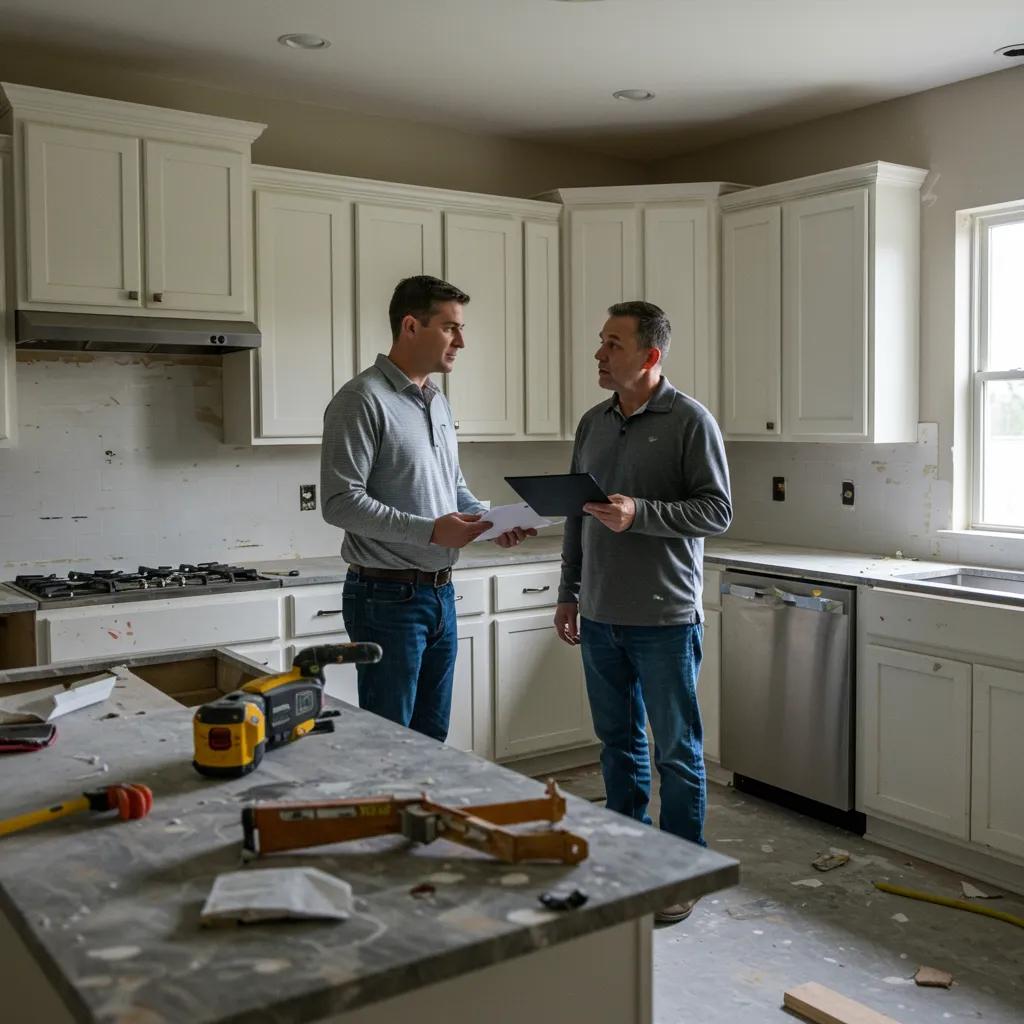
Maximizing profit combines price strategy with targeted improvements, staging, negotiation tactics, and data-driven marketing that reaches high-propensity buyers. Improvements raise perceived value and justify higher asking prices; staging accelerates offers and broadens appeal; negotiation techniques protect price during contingencies; and AI-driven analytics refine buyer matching and optimal pricing windows.
Below is an ROI-focused table that helps prioritize common improvements for sellers aiming to maximize net proceeds.
| Improvement Type | Average ROI (est.) | Time / Cost |
|---|---|---|
| Minor kitchen refresh | 70-85% | 2-4 weeks / moderate |
| Bathroom update (mid-range) | 60-75% | 2-3 weeks / moderate |
| Curb appeal (landscaping/paint) | 80-100% | 1-2 weeks / low-moderate |
| Professional staging | 5-10% price lift typical | Immediate / rental cost |
This ROI table guides sellers to prioritize curb appeal and targeted kitchen updates. Next are actionable lists and tactics that implement these improvements.
- Top five actions to maximize profit:
Complete affordable curb appeal projects to improve first impressions.
Refresh kitchen surfaces and hardware for outsized perceived value.
Stage primary living areas to highlight function and flow.
Price strategically using CMA and market signals to attract offers.
Use targeted marketing guided by buyer data to reach motivated purchasers.
These actions combine to increase the final sale price and reduce negotiation pressure. When sellers want structured implementation, programs exist to help execute improvements while listing.
When implementing a fix-and-list approach, consider professional programs that coordinate repairs and sales: Allen Markel’s Fix and Sell Program and the Sell and Stay Program offer practical pathways to improve value while accommodating transition needs.
Which Home Improvements Offer the Highest Return on Investment?
High-ROI improvements usually include small kitchen upgrades, bathroom refreshes, and curb appeal enhancements because they improve function and visual appeal at moderate cost. The mechanism of ROI is that buyers often focus on kitchens and baths when assessing value, so targeted spend yields disproportionate perceived worth. Examples include replacing cabinet fronts or countertops, refreshing tile and fixtures, and landscaping improvements. Sellers should prioritize projects with quick payback and minimal disruption to the selling timeline.
How Does Home Staging Influence Perceived Value and Pricing?
Staging influences perceived value by creating emotional appeal, demonstrating functional layouts, and allowing buyers to visualize lifestyle possibilities, typically speeding offers and sometimes raising final sale prices. The mechanism relies on cognitive framing—buyers attribute higher value to homes that look move-in ready and neutral in design. Typical staging steps include decluttering, neutral color accents, and furniture placement to highlight flow. When combined with photography and virtual tours, staging supports premium positioning in competitive markets.
What Negotiation Strategies Help Secure Top Dollar Offers?
Effective negotiation strategies include setting clear response deadlines, using escalation clauses for competitive offers, preparing inspection contingencies in advance, and documenting recent improvements to counter low-ball offers. The mechanism is to reduce uncertainty and create structured pathways that favor seller net proceeds while maintaining buyer confidence. Sellers benefit by maintaining leverage and closing faster with well-crafted offer terms. Tactics should be coordinated with pricing strategy and market feedback to avoid eroding perceived value.
Impact of Listing Price Strategy on Real Estate Negotiations
How Does AI-Driven Data Analytics Improve Targeted Buyer Matching?
AI-driven data analytics analyzes listing performance, buyer behavior, and local demographic signals to identify high-propensity buyers and optimal pricing windows, enabling more efficient ad spend and better list price timing. The mechanism maps buyer attributes to comparable sales and active search patterns to refine who sees the listing and when. Sellers benefit from higher-quality showings and reduced marketing waste, improving the chance of receiving offers near asking price. Advanced practitioners use these insights to adjust price testing and promotional channels in real time.
For sellers wanting assistance that combines data analytics with hands-on programs, Allen Markel offers Real Estate Consultation services that incorporate Comparative Market Analysis and AI-informed marketing to support pricing and buyer targeting.
How Should You Price Homes in Unique Situations Like Divorce or Probate?
Pricing in unique situations requires understanding differing objectives—speed, maximum proceeds, or legal constraints—and adapting valuation and marketing accordingly. The mechanism is to balance stakeholder needs with market realities: urgent circumstances often favor liquidity-focused pricing, while probate or contested sales may need stronger documentation and conservatively adjusted expectations. The immediate benefit of specialized pricing is reduced risk of legal or financial delays and clearer pathways to settlement. Below is a concise three-step framework for sensitive situations.
- Assess urgency and stakeholder objectives: define whether speed or net proceeds is primary.
- Consult specialized experts: obtain legal, tax, and valuation guidance for the situation.
- Adjust pricing for condition and liquidity: set expectations and document rationale for offers.
This framework guides sellers through pricing choices; the following subsections flesh out specific challenges and pathways to expert help.
What Are the Pricing Challenges in Divorce and Probate Home Sales?
Divorce and probate sales face emotional, legal, and timing complexities that affect pricing because stakeholders may have divergent objectives, court timelines, or estate settlement rules. The mechanism requires careful documentation, transparent accounting of proceeds allocation, and often a faster timeline to avoid extended legal exposure. Sellers benefit from a pricing plan that accounts for condition, clear disclosure, and available concessions to expedite sale. Empathetic, procedural guidance reduces conflict and helps preserve value during the transaction.
How Do Pre-Foreclosure and Short Sale Pricing Strategies Differ?
Pre-foreclosure and short sale pricing prioritize liquidity and lender negotiation, often requiring a valuation that supports lender approval and quick buyer turnover, which tends to lower asking prices relative to standard market value. The mechanism is that lenders must accept a sale price that resolves outstanding debt within legal timelines, so pricing reflects both market realities and lender thresholds. Sellers benefit by minimizing credit damage and closing faster, though they may accept reduced proceeds. Effective strategies include early lender communication and realistic valuation based on comps and urgency.
Where Can You Find Expert Consultation for Complex Home Selling Situations?
Expert consultation is critical for complex sales—seek advisors experienced in Divorce Real Estate, Probate Real Estate, Pre-foreclosure Solutions, and Short Sale Solutions who can document valuations, negotiate with lenders, and guide timelines. Prepare financial and legal documents before consultations to speed analysis and decision-making, and ask specialists about tailored pricing plans that consider legal constraints and stakeholder needs. For sellers seeking an AI-informed and compassionate approach, Allen Markel provides specialized Real Estate Consultation and Smart Selling Strategies to help craft a tailored pricing plan for sensitive or urgent sales.
This final section ties together valuation, strategy, market dynamics, improvements, and specialist support to help sellers price homes effectively and maximize profit.
Frequently Asked Questions
What role does home staging play in selling a house?
Home staging is crucial in creating an inviting atmosphere that allows potential buyers to envision themselves living in the space. It enhances the property’s appeal by highlighting its best features and improving overall aesthetics. Staged homes often sell faster and at higher prices compared to non-staged ones, as they create emotional connections with buyers. Effective staging involves decluttering, neutral decor, and strategic furniture placement, which can significantly influence perceived value and lead to quicker offers.
How can I adjust my pricing strategy based on local market trends?
Adjusting your pricing strategy according to local market trends involves staying informed about inventory levels, buyer demand, and recent sales in your area. If the market is competitive with low inventory, consider pricing slightly below market value to attract multiple offers. Conversely, in a buyer’s market, ensure your home is priced competitively to stand out. Regularly reviewing market data and consulting with real estate professionals can help you make timely adjustments to your pricing strategy.
What are the benefits of using AI-driven analytics in home pricing?
AI-driven analytics provide valuable insights into buyer behavior, market trends, and optimal pricing windows. By analyzing data from various sources, these tools can identify high-propensity buyers and suggest pricing strategies that align with current market conditions. This technology helps sellers optimize their marketing efforts, reduce wasted ad spend, and improve the chances of receiving offers close to the asking price. Utilizing AI can lead to more informed decisions and a streamlined selling process.
How do I handle pricing in a divorce or probate situation?
In divorce or probate situations, pricing requires sensitivity to the unique circumstances and objectives of all parties involved. It’s essential to assess whether the priority is a quick sale or maximizing proceeds. Consulting with legal and real estate experts can provide guidance on appropriate pricing strategies that consider emotional and financial factors. Clear documentation and transparent communication can help mitigate conflicts and ensure a smoother transaction process during these challenging times.
What improvements should I prioritize to maximize my home's value?
To maximize your home’s value, focus on improvements that offer the highest return on investment (ROI). Common high-ROI projects include minor kitchen upgrades, bathroom refreshes, and enhancing curb appeal through landscaping or exterior painting. These improvements not only increase the property’s visual appeal but also address key areas that buyers prioritize. Prioritizing projects that are cost-effective and can be completed quickly will help you achieve a higher sale price with minimal disruption.
How can I effectively negotiate offers on my home?
Effective negotiation strategies include setting clear response deadlines for offers, preparing for potential inspection contingencies, and documenting any recent improvements to justify your asking price. Being transparent and responsive during negotiations can build trust with buyers and facilitate smoother discussions. Additionally, consider using escalation clauses to encourage competitive offers. By maintaining a flexible yet firm stance, you can secure the best possible terms while ensuring a positive experience for all parties involved.
What should I know about seasonal pricing when selling my home?
Seasonal pricing is important because buyer activity fluctuates throughout the year, impacting how you should price your home. Spring often sees increased buyer interest and higher sale prices, while winter may lead to lower demand and more cautious pricing. Aligning your listing with peak seasons can maximize exposure and attract more potential buyers. If you must sell during slower months, consider adjusting your pricing strategy to reflect market conditions and enhance your home’s appeal through targeted marketing efforts.
Conclusion
Mastering home pricing strategies is essential for sellers aiming to maximize profit and minimize time on the market. By understanding valuation methods, effective pricing tactics, and market dynamics, sellers can make informed decisions that resonate with potential buyers. Implementing these strategies not only enhances the selling process but also ensures a smoother transaction experience. For personalized guidance tailored to your unique situation, consider reaching out to our expert team today.