Moving to Texas on military orders? You’re joining thousands of service members who relocate to the Lone Star State each year. Texas hosts some of the largest military installations in the country, including Joint Base San Antonio, Fort Cavazos, and Fort Bliss.
But here’s the thing: a military PCS Texas move comes with unique challenges. You’re coordinating housing searches from hundreds of miles away, figuring out school transfers for your kids, and trying to understand VA loan benefits while managing your current duty station responsibilities.
This guide breaks down 15 practical tips that’ll help you navigate your Texas PCS with less stress and more confidence. We’re covering everything from when to start planning to which neighborhoods work best for military families near major installations.

Timeline Planning: When to Start Your Military PCS Texas Preparation
Timing makes or breaks a PCS move. Start too late and you’re scrambling. Start too early and you’re wasting energy on tasks that aren’t ready yet.
Tip 1: Begin Your PCS Planning 90-120 Days Before Report Date
The sweet spot for starting your military PCS Texas planning is 90 to 120 days out from your report date. This gives you enough runway to handle housing, schools, and administrative tasks without feeling rushed.
Here’s what your timeline should look like:
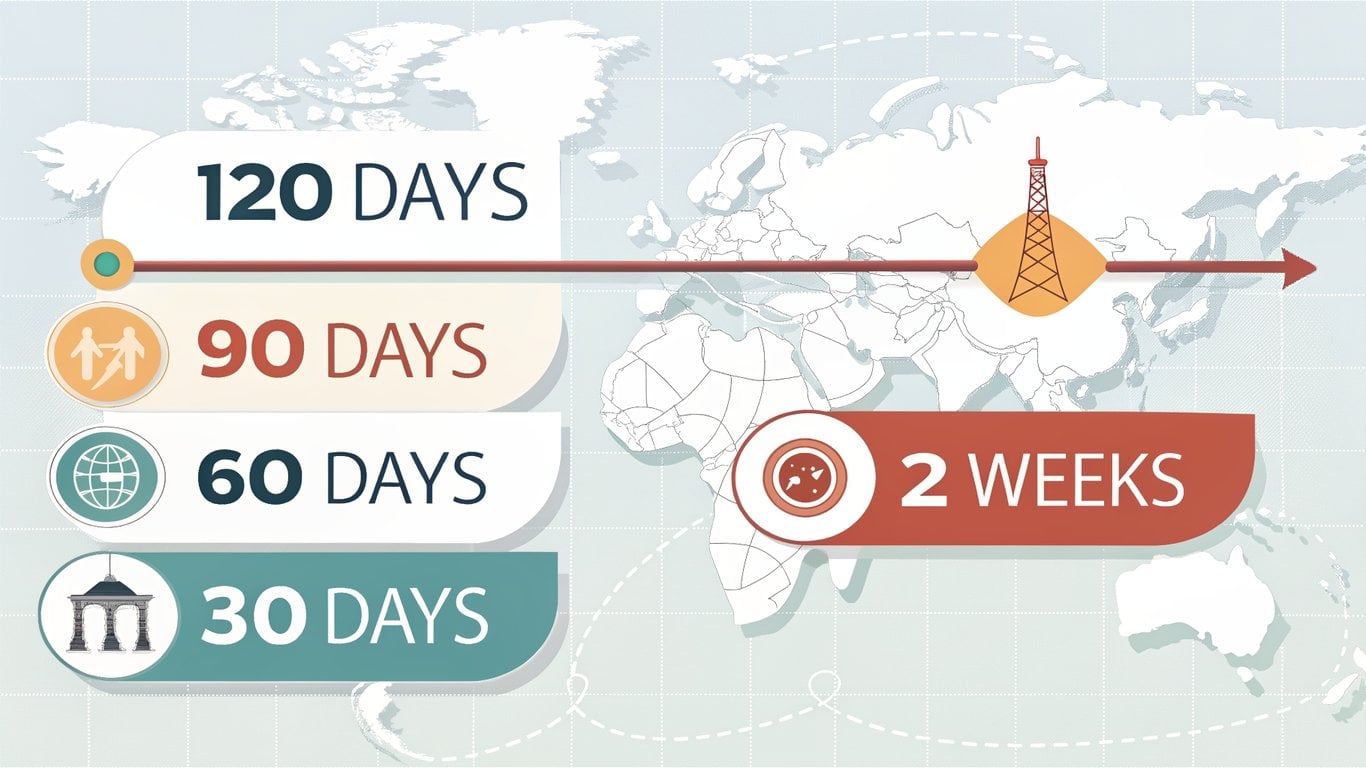
- 120 days out: Review orders, contact Family Readiness Center, start researching Texas neighborhoods and schools
- 90 days out: Get VA loan pre-approval, connect with real estate agents, request school records
- 60 days out: Make housing decision (buy, rent, or on-base), begin virtual home tours
- 30 days out: Finalize housing, enroll children in schools, schedule movers
- 2 weeks out: Complete administrative updates, pack essentials, confirm arrival logistics
Families with children or special needs should probably lean toward the 120-day mark. You’ll need extra time for school transitions and ensuring continuity of services.
Tip 2: Create a PCS Binder or Digital Organization System
You’re going to accumulate a mountain of paperwork during your PCS. Orders, housing documents, school records, medical files, VA loan paperwork. Keeping everything organized saves you from digging through email threads at midnight.
Some families still prefer physical binders with labeled sections. Others use digital tools like Google Drive or Dropbox to store scanned documents. Either works, but digital has the advantage of being accessible from anywhere.
Your organization system should include sections for orders and amendments, housing paperwork, school records and transcripts, medical and dental records, VA loan documentation, moving company information, and receipts for reimbursable expenses.
Tip 3: Connect with Your New Installation’s Family Readiness Center Early
Family Readiness Centers exist to help you with exactly this kind of transition. They offer personalized PCS support, housing assistance, community orientation, and connections to local resources.

Contact your new installation’s center as soon as you have orders. They can answer Texas-specific questions about housing markets, school districts, and what to expect when you arrive. Many centers also offer virtual newcomer orientations that you can attend before your move.
Housing Strategy: Finding Your Texas Home with Military Benefits
Housing decisions during a military PCS Texas move feel high-stakes because they are. You’re making major financial commitments with limited time and often without seeing properties in person.
Tip 4: Understand Your VA Loan Benefits and 2026 Updates
VA loans remain one of the best benefits available to service members. Zero down payment, no private mortgage insurance, competitive interest rates. For many military families, it’s the only realistic path to homeownership.
Texas doesn’t have a statewide VA loan limit for most borrowers, which means you can typically borrow what you need based on your income and debt-to-income ratio. Veterans with service-connected disabilities may qualify for funding fee waivers, which can save thousands of dollars.
Get pre-approved before you start seriously house hunting. Pre-approval shows sellers you’re a serious buyer and helps you understand your budget. Many lenders specialize in VA loans and understand the unique timeline pressures of military PCS moves.
Tip 5: Decide Between Buying, Renting, or On-Base Housing Within 60 Days
This decision depends on your assignment length, financial situation, and personal preferences. Each option has trade-offs.

Buying makes sense if you’re staying for at least three years, want to build equity, and are comfortable with homeownership responsibilities. Texas has strong real estate markets near military installations, and many service members successfully rent out their homes when they PCS again.
Renting offers flexibility and fewer maintenance headaches. You’re not tied to the property if you need to leave early, and you don’t have to worry about selling in a down market. The downside is you’re not building equity.
On-base housing provides convenience and community, but waitlists can be long at popular installations. Your entire BAH goes to housing, which might feel like a lot compared to off-base options.
Tip 6: Work with a Military-Friendly Real Estate Agent
Not all real estate agents understand military moves. You need someone who gets VA loans, works with tight timelines, and won’t pressure you into decisions you’re not ready for.
Ask potential agents about their experience with military clients and VA loans. Do they understand the PCS timeline? Can they accommodate virtual tours and remote closings? Are they familiar with neighborhoods near your installation?
Military spouse agents often bring valuable perspective because they’ve lived the experience themselves. They understand the stress of relocating and can anticipate your needs.
Tip 7: Plan for Virtual Home Tours and Remote Closing Options
You probably won’t have time for multiple house-hunting trips to Texas. Virtual tours have become standard practice, and they’re actually pretty effective when done right.
Ask your agent for live video walkthroughs where you can direct them to show specific areas. Pre-recorded tours are fine for initial screening, but live tours let you ask questions in real-time. Pay attention to neighborhood noise, natural lighting, and storage space.
Remote closings are also common now. You can sign documents electronically and complete the entire purchase without being physically present in Texas. Your lender and title company will coordinate the process.
School Transitions: Ensuring Educational Continuity for Military Children
School transitions stress kids out. They’re leaving friends, adjusting to new curricula, and trying to fit in at a new school. Your job is to make this as smooth as possible.
Tip 8: Research and Contact Texas Schools 60-90 Days Before Your Move
Start researching schools as soon as you know your installation. Texas has strong public school districts near military bases, but quality varies by area.
Contact schools directly to understand enrollment requirements and request records transfers from your current school. Many Texas districts have dedicated military liaison coordinators who can walk you through the process.
Ask about class sizes, extracurricular programs, and how the school supports military children. Some schools have specific programs for military kids who move frequently.

Tip 9: Leverage the Interstate Compact on Educational Opportunity for Military Children
Texas participates in the Interstate Compact, which protects military children during school transitions. This compact ensures your kids can enroll in school even if you’re missing some paperwork, receive comparable course placement, and participate in extracurricular activities without additional tryouts.
The compact also provides flexibility with graduation requirements if your child is a senior. Texas schools must work with you to ensure your child can graduate on time despite the move.
Tip 10: Prepare Special Education (EFMP) and Gifted Program Transitions
Families with children in special education or gifted programs need extra planning time. IEPs don’t automatically transfer, and you’ll need to work with both your current and new schools to ensure continuity.
If you’re enrolled in the Exceptional Family Member Program (EFMP), update your enrollment when you receive orders. EFMP helps ensure your new installation can provide necessary services.
Request copies of all IEPs, 504 plans, and evaluation reports. Share these with your new school district as early as possible so they can prepare appropriate services.
Best Neighborhoods for Military Families Near Major Texas Installations
Location matters when you’re choosing where to live. You want reasonable commute times, good schools, and a community that understands military life.
Tip 11: Top Neighborhoods Near Joint Base San Antonio (JBSA)
JBSA actually consists of three locations: Fort Sam Houston, Lackland, and Randolph. Your ideal neighborhood depends on which location you’ll report to most often.
Stone Oak offers newer homes, excellent schools, and family-friendly amenities. It’s about 20-30 minutes from Fort Sam Houston. Housing prices run higher here, but many military families find it worth the investment.
Schertz and Cibolo sit between Randolph and Fort Sam Houston, making them convenient for either location. These communities have strong schools and active military populations. Housing tends to be more affordable than Stone Oak.
Universal City borders Randolph and offers the shortest commute for those stationed there. It’s a smaller community with a high percentage of military families.
Tip 12: Best Areas Near Fort Cavazos, Fort Bliss, and Other Texas Bases
For Fort Cavazos (formerly Fort Hood), most families choose Killeen, Harker Heights, or Belton. Harker Heights typically gets the best reviews for schools and safety. Belton offers a smaller-town feel with good schools. Killeen is closest to post and most affordable.
Fort Bliss families often live in East El Paso neighborhoods. The Eastside offers newer developments with good schools and reasonable commutes to post.
For Dyess Air Force Base in Abilene, families typically choose neighborhoods in south or southwest Abilene for newer homes and better schools.
Financial and Administrative Essentials for Your Texas PCS
Texas offers some unique financial benefits for military families. Understanding these can save you money.
Tip 13: Understand Texas Tax Advantages and Military Benefits
Texas has no state income tax, which means more money stays in your pocket. This benefit applies whether you claim Texas residency or maintain your home of record elsewhere.
Veterans with service-connected disabilities may qualify for property tax exemptions. The exemption amount depends on your disability rating. Veterans with 100% disability ratings can receive full property tax exemption on their primary residence.
Military members can maintain their home of record for tax purposes even while stationed in Texas. This means you don’t have to change your residency unless you want to.
Tip 14: Update All Records and Establish Texas Residency (If Desired)
You’ll need to update several administrative items after your move. Start with DEERS and military ID cards if anything has changed. Update your address in the system so correspondence reaches you.
If you decide to establish Texas residency, you’ll need to get a Texas driver’s license, register your vehicle, and update your voter registration. Military members have some flexibility with timing on these requirements.
Update your insurance policies to reflect your new address. Auto insurance rates vary by location, so shop around for the best rates in your new area.
Community Integration and Final PCS Success Tips
Tip 15: Connect with Military Spouse Networks and Local Resources Immediately
Building a support network makes Texas feel like home faster. Military spouse groups exist at every installation and many are active on social media before you even arrive.
Attend your installation’s newcomer orientation. These events introduce you to base resources, local area information, and other new families. You’ll probably meet people who arrived recently and understand what you’re going through.
Texas has strong veterans organizations and military-friendly communities. Many local businesses offer military discounts, and you’ll find that Texans generally appreciate military service.
For employment assistance, check with your installation’s spouse employment program. Many installations offer resume help, job fairs, and connections to military-friendly employers.
Your Successful Military PCS Texas Journey Starts Now
A military PCS Texas move doesn’t have to be overwhelming. Start planning 90-120 days out, organize your documents, and leverage the resources available to military families. Research housing options early, understand your VA loan benefits, and connect with schools well before your move.
Texas offers strong military communities, no state income tax, and quality neighborhoods near major installations. Whether you’re heading to Joint Base San Antonio, Fort Cavazos, or Fort Bliss, you’ll find established military populations and resources designed to support your transition.
The families who handle PCS moves best are the ones who start early, stay organized, and ask for help when they need it. You’ve got this.