Texas isn’t just growing. It’s exploding. Over 470,000 people moved here in 2024 alone, and that number’s climbing in 2026. The reasons are pretty straightforward: no state income tax, booming job markets, and housing that’s still somewhat affordable compared to coastal cities.
But here’s what most relocation guides won’t tell you. Moving to Texas isn’t just about picking a city and calling it done. The state’s massive. We’re talking about 268,000 square miles with climates ranging from humid subtropical to semi-arid desert. Your experience in El Paso will be completely different from life in Houston, and that’s before we even get into neighborhoods, schools, or commute times.
This guide is for anyone considering relocating to Texas, whether you’re a first-timer, a family with school-age kids, or someone navigating tougher circumstances like divorce or foreclosure. We’ll break down the real factors that matter when choosing where to land in the Lone Star State.

What’s Different About Moving to Texas in 2026
The Texas housing market has shifted since 2023. Prices have stabilized in many areas after years of rapid growth, though competition remains fierce in popular suburbs. Remote work has changed the game too. You’re no longer locked into living near downtown Dallas or Austin if your job’s flexible about location.
Property taxes deserve special attention. Texas makes up for no income tax with some of the highest property tax rates in the country. We’re talking 1.6% to 2.3% of your home’s value annually in many counties. That $350,000 house could cost you $6,000+ per year in taxes alone.

Breaking Down Texas’s Major Regions
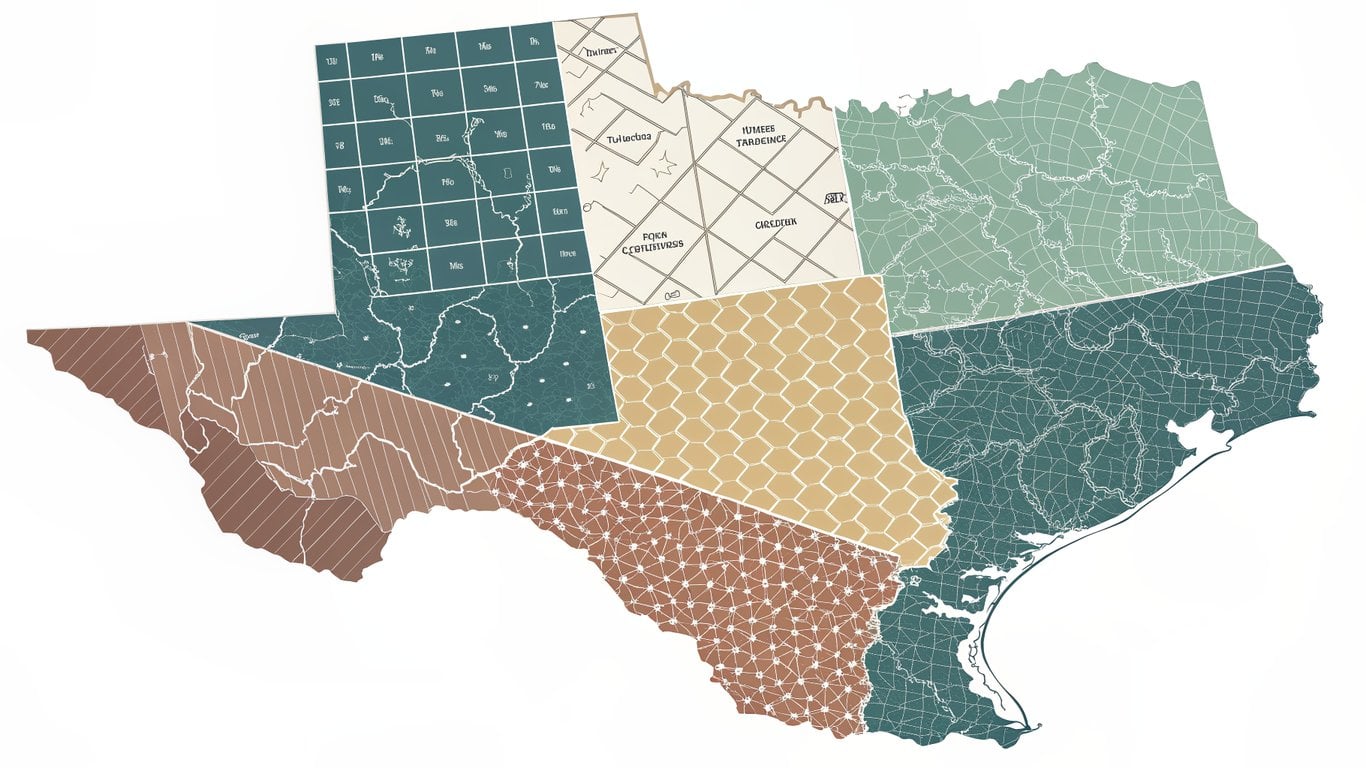
Texas has four major metro areas, each with distinct personalities and opportunities. Let’s cut through the marketing fluff and talk about what each region actually offers.
Dallas-Fort Worth: The Corporate Powerhouse
DFW is home to 24 Fortune 500 companies. If you’re in finance, tech, or telecommunications, this is probably your best bet. The metroplex sprawls across multiple counties, and your commute could easily hit 45 minutes to an hour if you’re not strategic about location.
The weather’s hot in summer (think 100°F+ for weeks) but you’ll get actual seasons, including occasional ice storms in winter. Housing costs vary wildly. You might pay $250,000 for a decent home in Fort Worth suburbs or $500,000+ for similar square footage in Plano or Frisco.
Houston: Energy Capital with Humidity
Houston’s economy runs on energy, healthcare, and aerospace. It’s the most diverse major city in America, which shows in the food scene and cultural offerings. The downside? Humidity that makes 90°F feel like 105°F, and hurricane season is real.
Housing’s generally more affordable than Austin or parts of DFW. You can find solid suburban homes in areas like Katy or Sugar Land for $300,000-$400,000. The city has no zoning laws, which creates some interesting neighborhood dynamics.
Austin: Tech Hub with Growing Pains
Austin’s tech boom brought companies like Tesla and Oracle, but it also brought traffic and housing costs that rival some coastal cities. The city’s kept its weird vibe, but affordability? That’s mostly gone if you want to live close to downtown.
Look at suburbs like Round Rock or Cedar Park if you want reasonable prices. You’ll sacrifice some of the urban lifestyle but gain space and better schools. Median home prices in Austin proper hover around $550,000, while suburbs can be $100,000-$200,000 less.
San Antonio: Affordable and Growing
San Antonio offers the best value among major Texas metros. The military presence (five bases) provides economic stability, and healthcare and tourism drive additional growth. Housing costs remain reasonable, with median prices around $280,000.
The culture’s heavily influenced by Mexican heritage, and the River Walk isn’t just for tourists. It’s genuinely pleasant. Summers are brutal though, regularly hitting 100°F+ from June through September.
Finding Your Perfect Texas Neighborhood
Picking a region is step one. Choosing the right neighborhood determines whether you’ll actually enjoy living there. Here’s what matters most when comparing communities.
What to Actually Look For
Walkability scores matter if you don’t want to drive everywhere. Most Texas neighborhoods score low on this metric because everything’s spread out. But areas like Dallas’s Uptown, Houston’s Heights, or Austin’s South Congress offer more pedestrian-friendly options.
Safety statistics are available through local police departments and sites like NeighborhoodScout. Don’t just look at overall crime rates. Check property crime versus violent crime, and look at trends over the past few years.
Future development plans can make or break a neighborhood. That quiet area might have a major highway expansion planned, or it could be getting a new shopping district. Check with city planning departments before committing.
DFW Neighborhood Highlights
Plano and Frisco attract families with top-rated schools and corporate headquarters. Housing’s expensive but you get newer construction and excellent amenities. Arlington sits between Dallas and Fort Worth, offering more affordable options with easy highway access. Fort Worth’s Cultural District provides urban living with museums and restaurants, while Dallas’s Uptown caters to young professionals who want walkability and nightlife.
Houston Area Communities
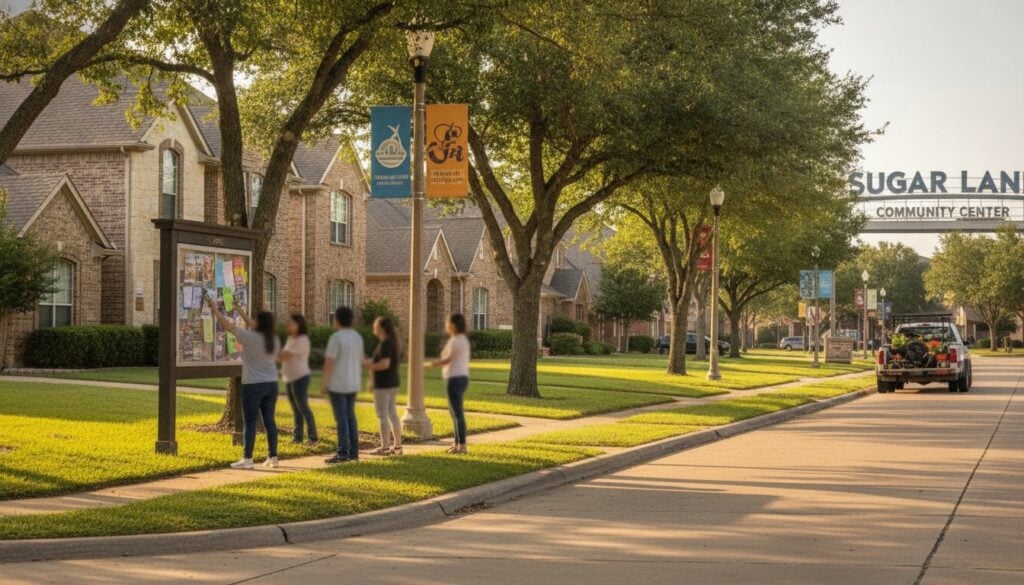
The Woodlands is a master-planned community north of Houston with excellent schools and parks. It’s pricey but popular with families. Sugar Land offers similar benefits southwest of the city. Katy’s known for its school district and suburban feel. Inside the loop, the Heights and Montrose provide older homes with character and walkable streets.
Austin Neighborhood Breakdown
Round Rock and Cedar Park offer suburban living with good schools at lower prices than Austin proper. South Congress (SoCo) is the hip, walkable area everyone thinks of when they picture Austin. East Austin’s gentrifying rapidly, with rising prices but growing food and arts scenes. Westlake is where you go if money’s not a concern and you want top schools.
The Real Cost of Living in Texas
Everyone talks about Texas’s low cost of living, but that’s becoming less true in major metros. Here’s what you’ll actually spend.
Housing: Buy or Rent?
Buying makes sense if you’re staying more than three years and can handle the property taxes. Renting gives you flexibility to test neighborhoods before committing. Rental prices in 2026 range from $1,200 for a one-bedroom in San Antonio to $2,000+ in Austin or nice Dallas suburbs.
Mortgage rates fluctuate, but factor in that property tax payment. A $400,000 home with a 2% tax rate costs you $8,000 annually in taxes alone. That’s $667 per month on top of your mortgage payment.
Understanding Texas Property Taxes
Texas property taxes fund schools and local services. Rates vary by county and city. Travis County (Austin) averages around 1.8%, while some Houston suburbs hit 2.3% or higher. You can claim a homestead exemption that reduces your taxable value by $100,000 for school taxes, but you need to file for it.
Utilities and Daily Expenses
Electricity costs more than you’d expect because of air conditioning. Summer bills of $200-$300 are normal for a typical house. Texas has a deregulated energy market, so you can shop for providers. Water and internet run another $100-$150 combined.

Groceries cost slightly less than the national average. Gas prices fluctuate but generally stay below coastal states. Car insurance is higher than many states, averaging $1,500-$2,000 annually.
Schools: What the Ratings Really Mean
Texas school ratings come from the Texas Education Agency (TEA), which assigns letter grades based on test scores, graduation rates, and college readiness. GreatSchools provides another rating system that many families use.
Top-rated districts include Plano ISD, Frisco ISD, and Eanes ISD (near Austin). These districts consistently score 9s and 10s on GreatSchools. But ratings don’t tell the whole story. Visit schools, talk to parents, and check class sizes and extracurricular offerings.
Private and Alternative Options
Private schools in Texas range from $10,000 to $30,000+ annually. Major cities have numerous options including religious schools, Montessori programs, and college prep academies. Charter schools offer free alternatives to traditional public schools, with varying quality.
Commute Reality Check
Texas cities weren’t built for public transit. They were built for cars and highways. Your commute will probably involve driving unless you live and work in very specific urban areas.
Average Commute Times
Houston has the longest average commute at around 28 minutes, but that’s misleading. Many people spend 45-60 minutes each way during rush hour. Austin’s traffic has gotten significantly worse, with I-35 being a notorious bottleneck. Dallas traffic concentrates on major highways like I-35E, I-635, and the Dallas North Tollway.
San Antonio’s commutes are generally shorter, averaging 25 minutes, partly because the city’s less sprawling than Houston or DFW.
Public Transit Options
DART serves Dallas with light rail and buses. It’s useful if you live and work along the rail lines. Houston’s Metro system is limited but expanding. Austin’s CapMetro includes buses and a small rail line. San Antonio’s VIA provides bus service. None of these systems compare to transit in cities like New York or Chicago.
Plan on owning a car. Remote work changes this equation significantly, making location less critical if you’re only commuting a few days per week.
Your 12-Month Moving Timeline
Successful relocations don’t happen overnight. Here’s a realistic timeline for relocating to Texas without losing your mind.
12-9 Months Out: Research Phase
- Research regions and narrow down to 2-3 cities
- Start job searching if you don’t have employment lined up
- Create a preliminary budget including moving costs
- Plan a visit to your top choice cities
- Research school districts if you have kids
8-6 Months Out: Getting Serious
- Get pre-approved for a mortgage if buying
- List your current home if selling
- Narrow down to specific neighborhoods
- Research moving companies and get quotes
- Start decluttering and organizing belongings
5-3 Months Out: Taking Action
- Work with a Texas real estate agent
- Make house hunting trips
- Book your moving company
- Notify your employer of relocation timeline
- Research and apply to schools
- Start packing non-essential items
2-1 Months Out: Final Preparations
- Close on your new home or finalize rental
- Set up utilities and internet
- Change your address with USPS
- Transfer medical records
- Pack remaining items
- Confirm moving day details
First Month in Texas: Settling In
- Register vehicles at the DMV (you have 30 days)
- Get a Texas driver’s license
- Register to vote
- Find doctors and dentists
- Explore your neighborhood
- Meet neighbors and join community groups
Special Circumstances: Divorce, Probate, and Foreclosure
Relocating during major life transitions requires extra planning and often professional help. If you’re moving because of divorce, coordinate with your attorney about custody arrangements and property division before choosing a location. Texas has specific residency requirements for divorce proceedings.
Probate situations need legal guidance to ensure you can sell or transfer property correctly. Texas probate laws differ from other states, and timing matters when you’re trying to relocate.
Facing foreclosure doesn’t mean you can’t relocate successfully. Focus on rebuilding credit and consider renting initially. Many Texas landlords will work with you if you’re honest about your situation and can show stable income.
Making Your Final Decision
You’ve done the research. You’ve visited neighborhoods. Now you need to actually choose. Create a simple spreadsheet comparing your top 3-5 options across the factors that matter most to you: housing costs, commute time, schools, lifestyle fit, and proximity to family or friends.
Weight each factor based on your priorities. If schools are critical, give that category more weight. If you’re single and career-focused, commute and job opportunities might matter more.
Consider doing an extended stay before committing to buying. Rent an Airbnb for a month in your top choice neighborhood. Work from there if possible. Eat at local restaurants. Shop at the grocery stores. Drive the commute during rush hour. You’ll learn more in one month of living somewhere than in a dozen weekend visits.
Your Next Steps
Start with one action today. Maybe that’s researching job opportunities in your target city. Or calculating what your property taxes would be on homes in your price range. Or joining a Facebook group for people relocating to Texas.
The key is momentum. Relocating to Texas is a big decision, but it’s also completely doable with proper planning. Thousands of people make this move successfully every month. You can too.
Focus on the factors that matter most to your situation. Don’t get paralyzed trying to find the perfect neighborhood. It doesn’t exist. But you can definitely find a great fit that checks most of your boxes and gives you a solid foundation for your new Texas life.