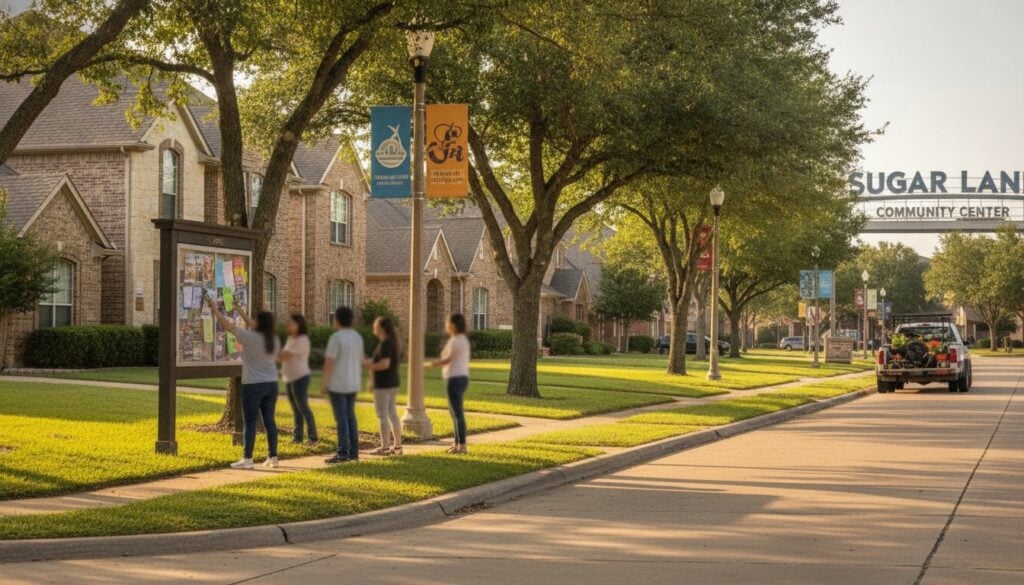
Sugar Land has transformed from its agricultural roots into one of the most sought-after suburbs in the Houston metropolitan area. Located about 20 miles southwest of downtown Houston, this city of roughly 118,000 residents offers something that’s increasingly rare: excellent schools, diverse neighborhoods, and a strong sense of community.
The Sugar Land real estate market continues to attract families, professionals, and retirees who want suburban comfort without sacrificing urban amenities. Whether you’re buying your first home, selling a property during a life transition, or relocating to the Houston area, understanding this market can save you thousands of dollars and months of frustration.
From Sugar Plantation to Premier Suburb
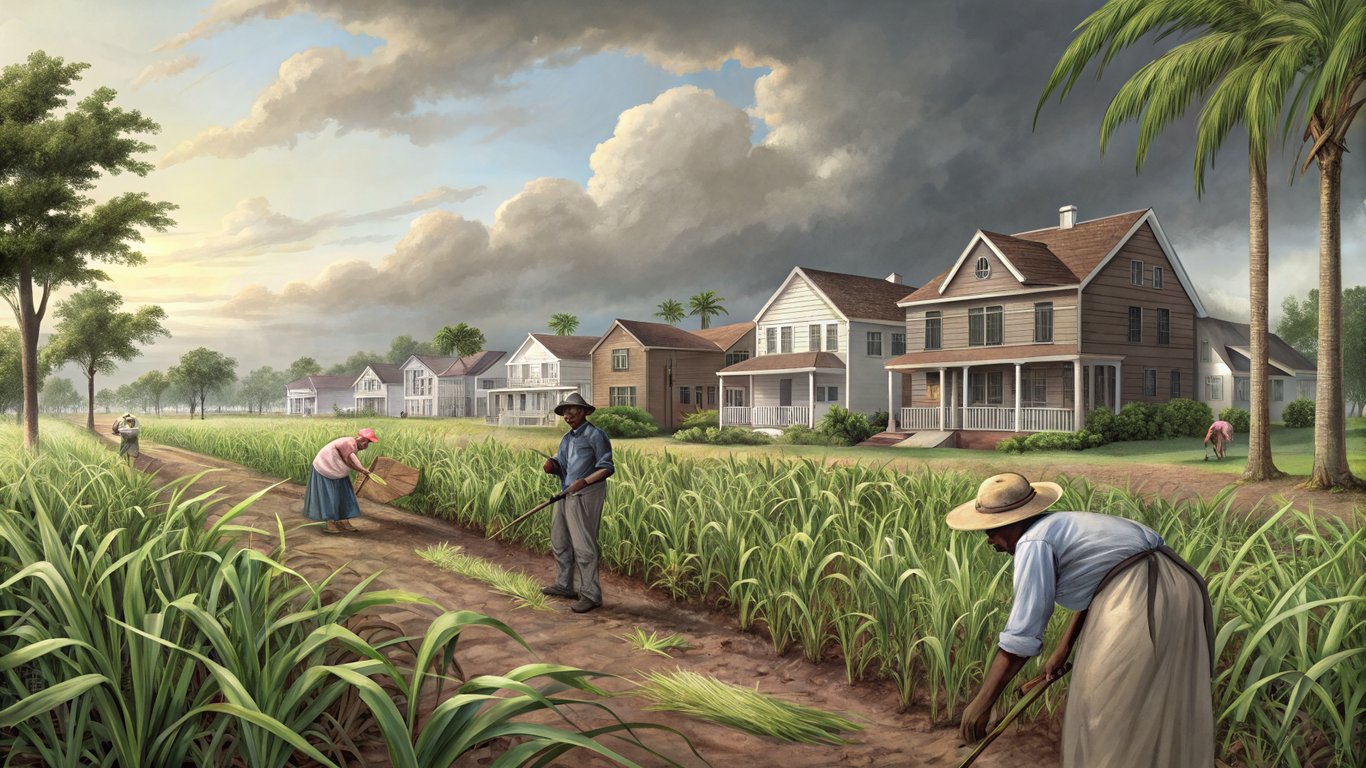
Sugar Land’s name isn’t just clever marketing. The city actually developed around the Imperial Sugar Company refinery, which operated here for over a century. That industrial past has given way to master-planned communities, corporate headquarters, and some of the best-rated schools in Texas.
The transformation accelerated in the 1980s and 1990s when developers began creating large-scale residential communities. Today, you’ll find everything from established neighborhoods with mature trees to brand-new construction with modern amenities.
Who This Guide Helps
This guide serves traditional buyers and sellers, but it also addresses situations that don’t fit the typical real estate playbook. If you’re navigating a divorce and need to sell jointly-owned property, dealing with an inherited home through probate, or facing foreclosure and exploring alternatives, you’ll find specific strategies here.
We’ve structured this information to help you make confident decisions whether you’re comparing neighborhoods, evaluating schools, or determining the best time to list your property.
Sugar Land Neighborhoods Worth Considering
Sugar Land’s neighborhoods each have distinct personalities. Some prioritize golf course living, others focus on family amenities, and a few offer luxury at premium price points.

First Colony: The Established Family Favorite
First Colony remains one of Sugar Land’s most recognizable master-planned communities. Developed starting in the 1970s, it’s matured into a neighborhood with established trees, well-maintained homes, and a strong sense of community identity.
You’ll find a mix of housing styles here, from townhomes to single-family residences. The community includes multiple pools, parks, and recreational facilities. Many families choose First Colony specifically for its Fort Bend ISD schools, which consistently rank among the district’s best.
Greatwood: Golf Course Living and Mature Landscapes
Greatwood appeals to buyers who want an established neighborhood feel. The community centers around a golf course and country club, though you don’t need to be a golfer to appreciate the mature landscaping and tree-lined streets.
Homes here typically date from the 1990s and early 2000s, which means you’re getting solid construction without the premium new-build prices. The neighborhood attracts families and empty-nesters who value stability and community connections.
Telfair: Luxury Living with Resort-Style Amenities
Telfair targets buyers looking for upscale features and modern construction. This master-planned community includes resort-style pools, fitness centers, and extensive trail systems. The homes tend toward larger square footage with contemporary designs.
If you’re relocating from another major metro area and want amenities that match what you’re leaving behind, Telfair probably fits your expectations. The community attracts professionals, executives, and families who prioritize lifestyle amenities.
Riverstone: Sugar Land’s Newest Master-Planned Community
Riverstone represents Sugar Land’s newest large-scale development. With multiple builders offering various price points, you’ll find everything from starter homes to luxury properties. The community emphasizes walkability, with retail and dining integrated into the neighborhood design.
New construction means modern floor plans, energy-efficient features, and builder warranties. But you’ll pay a premium compared to resale homes in older neighborhoods. Riverstone appeals to buyers who want everything new and don’t mind paying for that privilege.
Comparing Sugar Land’s Top Neighborhoods
| Neighborhood | Typical Features | Best For |
|---|---|---|
| First Colony | Established trees, family amenities, strong schools | Families prioritizing education and community |
| Greatwood | Golf course, mature landscaping, 1990s-2000s homes | Golfers and those wanting established feel |
| Telfair | Luxury finishes, resort amenities, newer construction | Buyers seeking upscale lifestyle |
| Riverstone | New construction, walkable design, modern amenities | Those wanting latest home features |
| Sweetwater | Country club access, exclusive community | Buyers prioritizing prestige and golf |
| New Territory | Affordable options, family-friendly | First-time buyers and growing families |
School Districts: Why Education Matters in Sugar Land
Schools drive real estate decisions in Sugar Land more than almost any other factor. The majority of Sugar Land falls within Fort Bend Independent School District, which consistently ranks among Texas’s top-performing large districts.

Fort Bend ISD’s Reputation
Fort Bend ISD serves over 80,000 students across Fort Bend County. The district’s schools regularly earn top ratings from the Texas Education Agency, and many individual campuses receive national recognition for academic achievement.
What makes Fort Bend ISD stand out isn’t just test scores. The district offers extensive Advanced Placement programs, career and technical education pathways, and strong fine arts and athletics programs. Parents moving from other states often find Fort Bend ISD compares favorably to highly-regarded districts they’re leaving behind.
Top Elementary Schools

Several Sugar Land elementary schools consistently earn exemplary ratings. Commonwealth Elementary, Cornerstone Elementary, and Highlands Elementary frequently appear on lists of the district’s highest-performing campuses.
These schools typically feature strong parent involvement, experienced teaching staff, and comprehensive enrichment programs. If you’re buying specifically for elementary school access, verify current attendance zones before making an offer, as boundaries can shift.
High Schools That Prepare Students for College
Clements High School, Dulles High School, and Austin High School serve most Sugar Land residents. All three schools offer extensive AP course selections, competitive athletics, and strong college placement records.
Clements, in particular, has earned national recognition for academic achievement. The school regularly sends graduates to top universities and offers specialized programs in STEM fields. Dulles and Austin provide similar opportunities with slightly different campus cultures.
How Schools Impact Property Values
Homes zoned to highly-rated schools typically command premium prices and sell faster than comparable properties in lower-rated school zones. This premium can range from 5% to 15% depending on the specific schools involved.
When you’re selling, highlighting your home’s school assignment can attract more buyers and justify higher asking prices. When buying, factor school quality into your long-term value calculations, even if you don’t have school-age children.
Sugar Land Real Estate Market Trends
Understanding current market conditions helps you make smarter buying and selling decisions. The Sugar Land real estate market operates within the broader Houston metro dynamics but has its own characteristics.
Current Market Conditions
The market has shifted from the extreme seller’s market of recent years toward more balanced conditions. Inventory levels have increased compared to the tight supply of 2021-2022, giving buyers more options and negotiating power.
That said, well-priced homes in desirable neighborhoods still sell relatively quickly. The days of multiple offers on every listing have passed, but quality properties don’t sit on the market for months either.
Price Trends by Neighborhood
Newer communities like Riverstone and Telfair have seen steady appreciation as development continues. Established neighborhoods like First Colony and Greatwood show more moderate price growth but offer better value per square foot.
Luxury properties above certain price points have experienced slower appreciation than mid-range homes. The sweet spot for appreciation seems to be homes that appeal to families prioritizing schools and community amenities.
New Construction vs. Resale
New construction offers modern features, builder warranties, and the ability to customize finishes. You’ll pay a premium for these benefits, typically 10-20% more than comparable resale homes.
Resale homes provide better value per square foot, established landscaping, and the ability to see exactly what you’re getting. You might need to budget for updates or repairs, but the lower purchase price often offsets these costs.
Best Times to Buy or Sell
Spring remains the busiest season for Sugar Land real estate, particularly March through May. Families want to close before the school year ends, creating concentrated demand during these months.
Sellers benefit from spring’s increased buyer activity but face more competition from other listings. Buyers might find better deals in late summer or winter when fewer people are actively searching.
Commute Options and Transportation
Your commute significantly impacts daily quality of life. Sugar Land’s location provides reasonable access to major Houston employment centers, though traffic patterns vary considerably by route and time.
Major Employment Corridors
The Texas Medical Center, downtown Houston, and the Energy Corridor employ thousands of Sugar Land residents. Commute times range from 30 minutes in light traffic to over an hour during peak periods.
US 59 (now designated I-69) provides the primary route to downtown and the Medical Center. The Energy Corridor is accessible via Westpark Tollway or various surface streets. Your specific commute depends heavily on which part of Sugar Land you live in and your work location.
Highway Access and Toll Roads
Sugar Land sits at the intersection of several major thoroughfares. US 59/I-69 runs northeast toward downtown Houston. Beltway 8 (Sam Houston Tollway) provides circumferential access around the metro area. The Fort Bend Tollway connects to other toll roads in the system.
Toll costs add up if you’re commuting daily. Budget $100-200 monthly for tolls if your route relies heavily on these roads. Some employers offer commuter benefits that can offset these costs.
Public Transportation Options
METRO operates park-and-ride service from Sugar Land to downtown Houston. The service provides a viable alternative to driving if your work location is near downtown transit stops.
However, public transit options remain limited compared to cities with extensive rail systems. Most Sugar Land residents rely on personal vehicles for daily transportation.
Remote Work Considerations
If you work remotely full-time or several days per week, Sugar Land offers excellent quality of life without the commute burden. Most neighborhoods have reliable high-speed internet, and newer homes often include dedicated office spaces.
The rise of remote work has made Sugar Land increasingly attractive to professionals who previously needed to live closer to downtown Houston or other employment centers.
Seller Strategy Recommendations
Selling a home in Sugar Land requires understanding local buyer preferences and market dynamics. The right strategy depends on your property type, neighborhood, and personal circumstances.
Pricing Your Home Competitively
Accurate pricing matters more than almost any other factor. Overpriced homes sit on the market, accumulate negative perception, and eventually sell for less than they would have with correct initial pricing.
Study recent sales of comparable homes in your specific neighborhood. Pay attention to price per square foot, days on market, and any price reductions. Your home’s school assignment, lot size, and condition all impact appropriate pricing.
Pre-Sale Preparation That Pays Off
Not all improvements generate positive returns. In Sugar Land’s market, focus on repairs that prevent buyer objections rather than major renovations.
- Fix obvious maintenance issues like leaky faucets or damaged flooring
- Ensure HVAC systems are functioning properly (critical in Texas)
- Address any roof concerns before they appear on inspection reports
- Update dated light fixtures and hardware for minimal cost
- Deep clean and declutter every room
Major kitchen or bathroom renovations rarely return their full cost unless your home is significantly outdated compared to neighborhood standards.
Marketing Your Property Effectively
Professional photography isn’t optional in today’s market. Most buyers start their search online, and poor photos eliminate your home from consideration before anyone visits.
Highlight your home’s school assignment prominently in all marketing materials. If you’re in a highly-rated school zone, this becomes a primary selling point. Include information about neighborhood amenities, HOA facilities, and proximity to Sugar Land Town Square or other attractions.
Selling During Divorce
Divorce adds emotional complexity to an already stressful process. Both parties need to agree on listing price, agent selection, and offer acceptance.
Consider establishing clear decision-making protocols upfront. Determine who handles showing requests, how you’ll respond to offers, and what happens if you disagree on major decisions. Some couples benefit from using a neutral third party to facilitate communication.
Probate Sales and Inherited Properties
Selling an inherited home through probate involves additional legal steps and timeline considerations. Texas probate law requires court approval for estate property sales, which adds time to the process.
Work with an attorney familiar with Texas probate procedures. They’ll guide you through required court filings and ensure the sale proceeds correctly. The property can typically be listed before probate completes, but closing must wait for court approval.
Alternatives to Foreclosure
If you’re facing foreclosure, you have options beyond letting the bank take your home. Short sales allow you to sell for less than you owe with lender approval. This damages your credit less than foreclosure and might allow you to buy again sooner.
Some investors specialize in quick purchases for cash, which can help you avoid foreclosure entirely. These sales typically net less than traditional listings but provide certainty and speed when you need it.
Buyer’s Guide to Sugar Land
Buying a home in Sugar Land means navigating multiple decisions simultaneously. Your neighborhood choice affects schools, commute, lifestyle, and long-term value.
Determining Your Budget
Your purchase price is just the starting point. Fort Bend County property taxes typically run 2.5-3% of assessed value annually. HOA fees in master-planned communities range from $50 to several hundred dollars monthly.
Calculate your total monthly housing cost including mortgage principal and interest, property taxes, insurance, HOA fees, and maintenance reserves. This gives you a realistic picture of affordability.
Understanding HOAs
Most Sugar Land neighborhoods have homeowners associations that maintain common areas and enforce community standards. Review HOA documents carefully before buying.
Pay attention to monthly fees, special assessment history, and restriction details. Some HOAs prohibit certain exterior modifications, limit parking, or restrict rental properties. These rules affect your property rights and should factor into your decision.
Property Taxes in Fort Bend County
Texas has no state income tax, but property taxes are correspondingly higher than many states. Fort Bend County’s combined tax rate includes county, city, school district, and various special district assessments.
Homestead exemptions reduce your taxable value if the property is your primary residence. File for this exemption immediately after closing to maximize your tax savings.
Living in Sugar Land
Real estate decisions should consider lifestyle factors beyond the house itself. Sugar Land offers amenities and community resources that enhance daily life.
Sugar Land Town Square
Sugar Land Town Square serves as the city’s downtown, featuring shopping, restaurants, and entertainment venues. The plaza hosts concerts, festivals, and community events throughout the year.
This walkable district includes a hotel, movie theater, and diverse dining options. It’s become a gathering place for residents and a draw for visitors from surrounding areas.
Parks and Recreation
Sugar Land maintains an extensive parks system with facilities for sports, playgrounds, and trails. Many neighborhoods include their own private parks and pools as part of HOA amenities.
The city’s commitment to green space and recreation contributes to its family-friendly reputation and quality of life.
Healthcare Access
Houston Methodist Sugar Land Hospital provides comprehensive medical services locally. The facility includes emergency care, surgical services, and specialized treatment programs.
Additional medical offices and specialty practices throughout the city mean you don’t need to travel to Houston for most healthcare needs.
Making Your Sugar Land Real Estate Decision
Sugar Land real estate offers opportunities for various buyer types and budgets. The combination of strong schools, diverse neighborhoods, and reasonable access to Houston employment centers continues to attract new residents.
For buyers, focus on neighborhoods that match your lifestyle priorities and budget constraints. Don’t stretch financially to buy in a premium neighborhood if it compromises your overall financial stability. The right home is one you can comfortably afford while meeting your family’s needs.
For sellers, accurate pricing and proper preparation matter more than aggressive marketing. The Sugar Land market rewards sellers who understand local dynamics and price accordingly. If you’re facing special circumstances like divorce or probate, seek professionals experienced with these situations.
The Sugar Land real estate market will continue evolving, but its fundamental strengths remain constant. Quality schools, strong community identity, and suburban comfort with urban access create lasting value for homeowners.