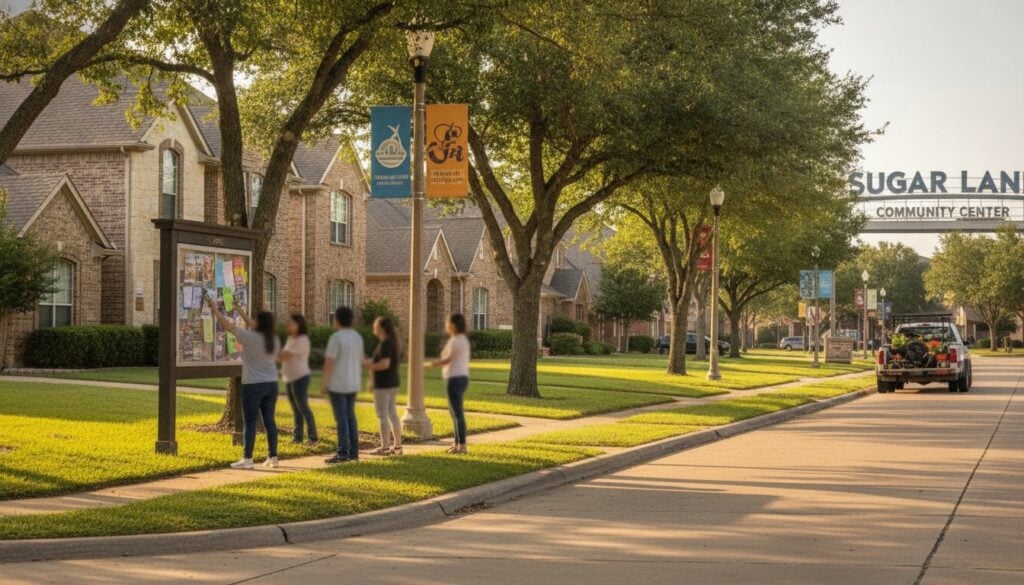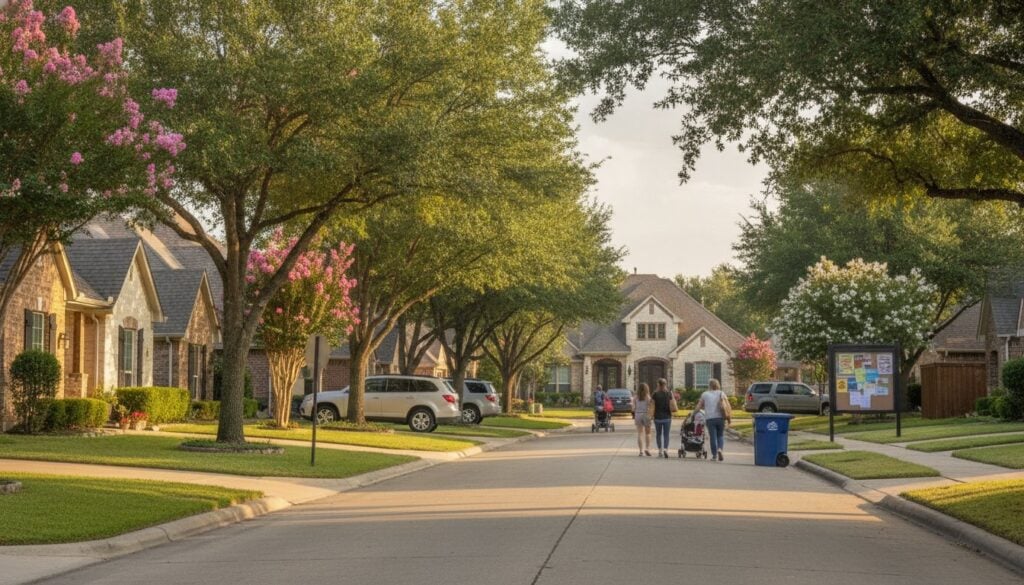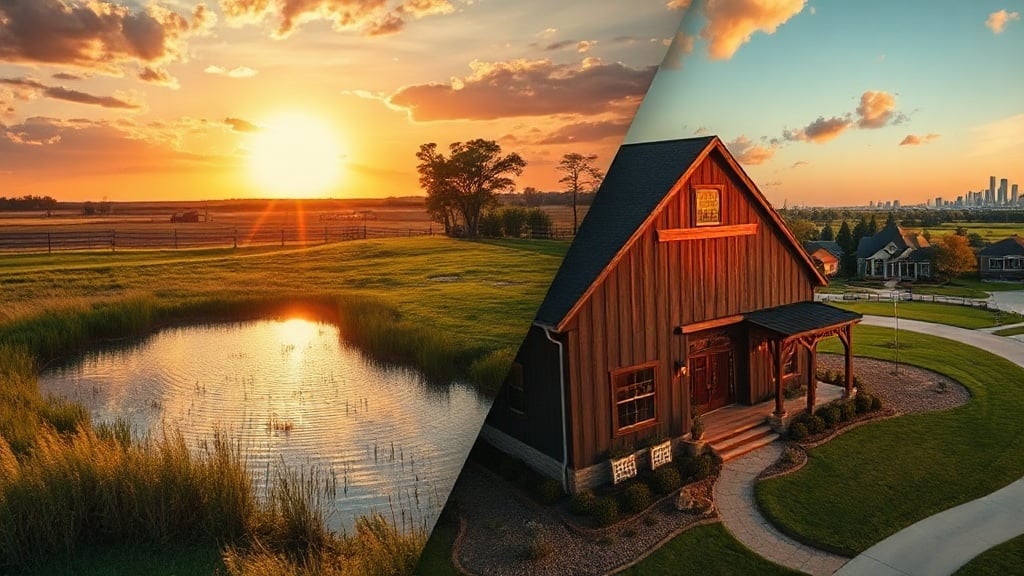
Waller County sits about 50 miles northwest of downtown Houston, and it’s one of those places that doesn’t make headlines but probably should. While everyone’s fighting over properties in Montgomery County or stretching their budgets in Katy, Waller County offers something increasingly rare: actual choices.
You can buy 20 acres with a pond and build your dream barndominium. Or you can grab a three-bedroom in a newer subdivision with an HOA and city water. Both exist here, often within a 15-minute drive of each other.
Waller County at a Glance: Location, Demographics, and Growth
The county’s population has been climbing steadily, though it still maintains that rural character in most areas. Census data shows growth concentrated around the towns of Waller, Hockley, and Prairie View, while the unincorporated areas remain largely agricultural.
US-290 cuts right through the county, connecting it to Houston’s northwest side and the Energy Corridor. That highway access is both a blessing and a curse, which we’ll get into later when we talk about commutes.
Who This Guide Is For: Buyers, Sellers, and Special Situations
This guide is written for anyone considering Waller County real estate, whether you’re buying your first home, looking for land to build on, or trying to sell a property you’ve inherited.
I’m also addressing folks in tougher situations. Divorce, probate, potential foreclosure. These scenarios come with their own complications, especially in a county where properties can range from a quarter-acre lot to a 100-acre ranch. The strategies differ significantly based on what you’re dealing with.
What Makes Waller County Different from Other Houston-Area Markets
The main difference is space. You can still find affordable acreage here, which is becoming impossible in most Houston suburbs. Property taxes tend to run lower than in neighboring counties, especially if you qualify for an agricultural exemption.
But you’re trading convenience for that space and savings. There’s no Target down the street. Your nearest hospital might be 20 minutes away. And if you work in Houston, you’re looking at a serious commute.
Rural vs Suburban Opportunities: Understanding Your Options
The Rural Waller County Experience: Acreage, Privacy, and Country Living
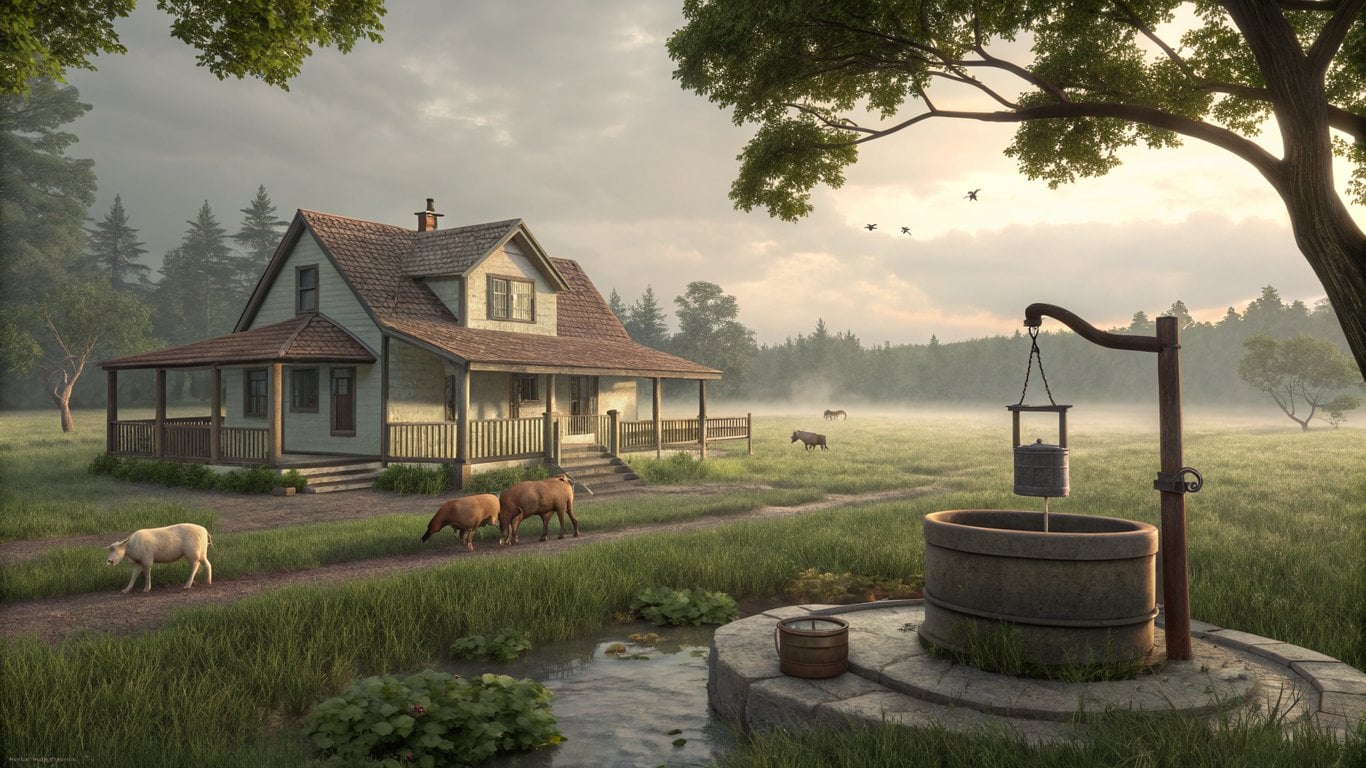
Rural properties in Waller County typically start at 5 acres and go up from there. You’ll find 10-acre tracts, 20-acre parcels, and occasionally larger ranches of 50 acres or more.
These properties usually come with well water and septic systems. You’re responsible for maintaining both, which means additional costs and considerations. Wells can run dry during droughts. Septic systems need pumping every few years and can fail if not properly maintained.
The upside? Complete privacy. No HOA telling you what color to paint your fence. You can have chickens, horses, or a workshop that makes noise at odd hours. Many buyers pursue agricultural exemptions to reduce property taxes, though you’ll need to demonstrate legitimate agricultural use.
Suburban Waller County: Master-Planned Communities and Town Living
The towns of Waller and Hockley have seen new subdivision development in recent years. These neighborhoods offer city water, sewer connections, and the structure some buyers prefer.
You’ll find HOAs here, which means rules about lawn maintenance, exterior modifications, and sometimes even what vehicles you can park in your driveway. Monthly fees typically range from $50 to $200, depending on what amenities the neighborhood offers.
Prairie View is home to Prairie View A&M University, which gives that area a different character. You’ll find more rental properties and a younger demographic there.
Hybrid Properties: The Best of Both Worlds
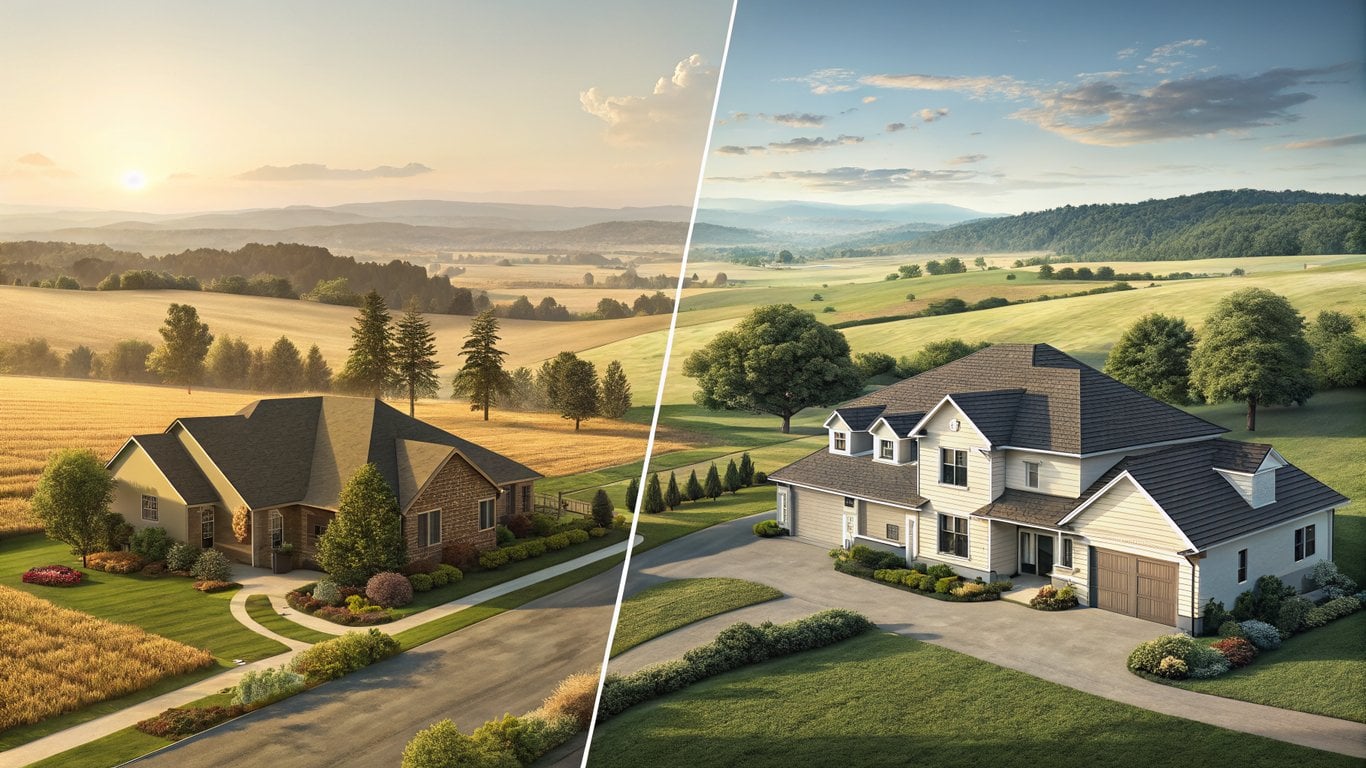
Some properties fall into a middle category: 1 to 5 acres with reasonable access to town amenities. These can be ideal if you want space for a garden and a shop building but don’t want to maintain 20 acres of pasture.
These properties often have well water but might have access to municipal water if they’re close enough to town. They’re popular with families who want room for kids to roam without committing to full rural living.
The Commute Reality: Tradeoffs Between Location and Daily Travel
Commute Times to Major Houston Employment Centers

Let’s be honest about this. If you work in downtown Houston, you’re looking at 60 to 90 minutes each way during rush hour. From Waller town to downtown can easily hit 70 miles one way.
The Energy Corridor is closer, maybe 45 to 60 minutes depending on where exactly you’re going. The Woodlands is probably 35 to 50 minutes from most of Waller County.
These times assume normal traffic. Accidents on 290 can add an hour to your commute without warning. Construction projects seem perpetual on that highway.
Highway Access and Infrastructure: US-290 and Future Improvements
US-290 is your main artery to Houston. TxDOT has made improvements over the years, but it’s still a two-lane highway through much of Waller County. That means you’re stuck behind every slow-moving truck and tractor.
There’s talk of future expansions and improvements, but these projects take years to complete. Don’t buy property banking on infrastructure that doesn’t exist yet.
Remote Work Considerations: Is Waller County Ideal for Hybrid Schedules?
If you work from home most days and only commute once or twice a week, Waller County makes a lot more sense. The math changes completely when you’re not burning gas and time five days a week.
Internet connectivity can be spotty in rural areas. Some properties have access to cable or fiber, but many rely on satellite internet or cellular hotspots. Check this before you buy if your job depends on reliable high-speed internet.
Calculating the True Cost of Your Commute
A 70-mile commute each way means 140 miles daily, or about 700 miles per week. At current gas prices and typical vehicle fuel economy, you’re probably spending $400 to $600 monthly just on gas.
Add vehicle wear, maintenance, and the value of your time. That commute costs you 10 to 15 hours weekly. Some people use that time for podcasts or audiobooks and don’t mind it. Others find it soul-crushing.
The question is whether the lower housing costs offset these expenses. In many cases, they do. But you need to run your own numbers based on your specific situation.
Waller County Real Estate Price Ranges and Market Analysis
Current Market Snapshot: What to Expect in 2026
Waller County real estate remains more affordable than most Houston-area markets. You can still find decent homes under $300,000, which is increasingly rare in neighboring counties.
The market tends to move slower here than in urban areas. Properties might sit for 60 to 90 days, especially if they’re priced aggressively or have unique characteristics that limit the buyer pool.
Price Ranges by Property Type
Raw land typically runs from $5,000 to $15,000 per acre, depending on location, access, and utilities. Land closer to Waller or Hockley commands higher prices than remote parcels.
Homes on smaller lots in subdivisions generally range from $200,000 to $400,000 for standard three or four-bedroom houses. Newer construction pushes toward the higher end of that range.
Properties with acreage and a home vary widely. A modest house on 10 acres might list for $350,000 to $500,000. Nicer homes on larger tracts can easily exceed $600,000 or more.
Hidden Costs Buyers Must Consider
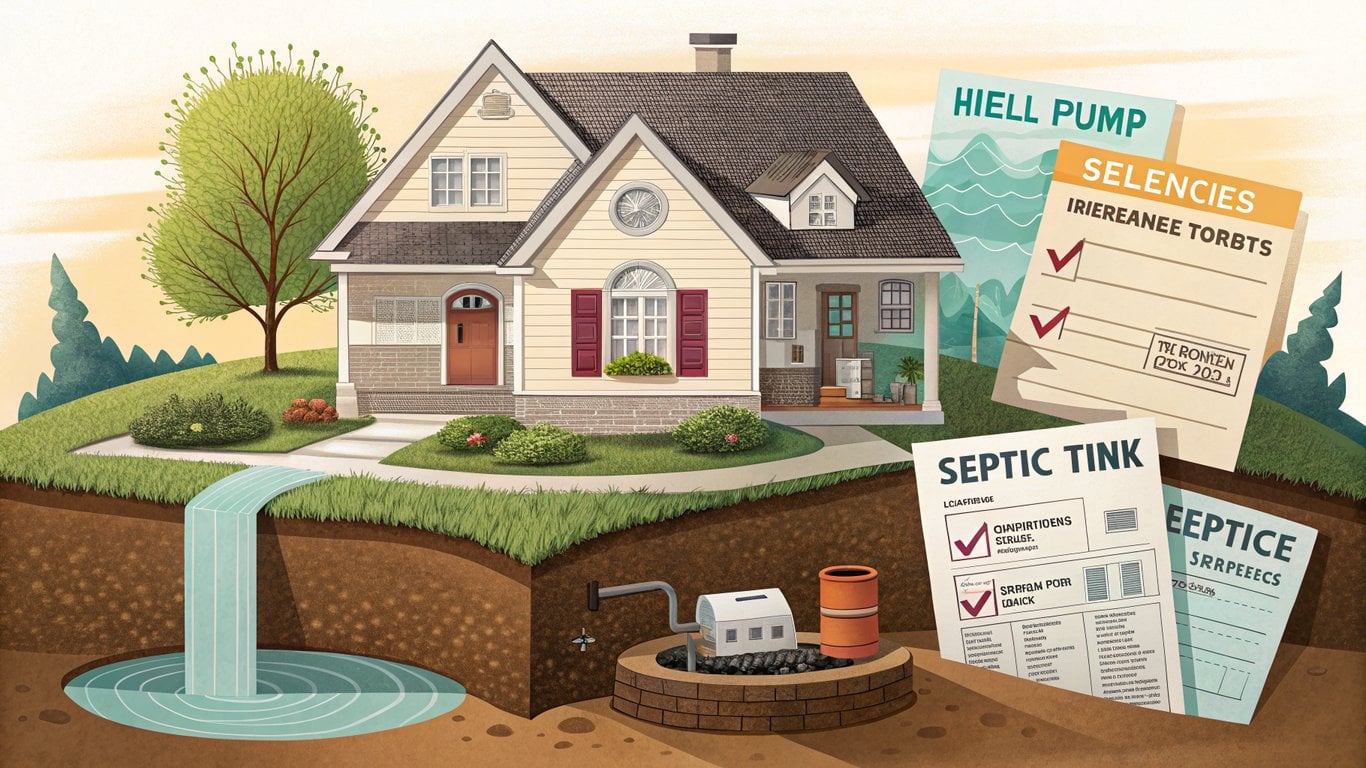
If you’re buying raw land, budget for well drilling ($15,000 to $30,000), septic installation ($8,000 to $20,000), and electric service extension if it’s not already on the property. These costs add up quickly.
Rural properties often require higher insurance premiums due to distance from fire stations. You might need propane for heating and cooking, which means tank rental or purchase and regular refills.
Road maintenance on private roads falls to property owners. If you’re on a shared private road, understand who’s responsible for grading and repairs.
Seller Preparation Tips: Maximizing Your Property Value
Pre-Listing Property Assessment: Know What You Have
Before listing, walk your property with honest eyes. What needs repair? What looks dated? What might concern buyers?
For rural properties, check fence lines, gates, and outbuildings. Make sure the well pump works and you know when the septic was last serviced. Buyers will ask these questions.
Strategic Improvements That Increase Value
Fresh paint and clean landscaping always help. For rural properties, clearing brush and mowing pastures makes the land look more appealing and accessible.
Don’t sink money into major renovations unless the property is in really rough shape. Most buyers in this market are looking for value, not luxury finishes.
Pricing Strategy for Waller County Real Estate
Pricing rural property is tricky because every parcel is unique. Recent sales of similar properties in your area provide the best guidance, but finding true comparables can be challenging.
Overpricing is the most common mistake. Sellers often have emotional attachments or remember what they paid years ago. The market doesn’t care about either. Price based on current comparable sales, not your feelings or needs.
Navigating Special Selling Situations in Waller County
Divorce sales require clear communication between parties and often benefit from neutral third-party valuations. Probate properties come with legal requirements and timelines that vary by situation.
If you’re facing foreclosure, you have options beyond just letting the bank take the property. Selling quickly to a cash buyer might net you more than a foreclosure auction would. Time is critical in these situations.
Working with Cash Buyers and Investors
Cash buyers can close quickly and often purchase properties as-is, which helps if you need to sell fast or can’t afford repairs. The tradeoff is typically a lower price than you’d get on the open market with traditional financing.
Investors look for properties they can add value to, whether through repairs, subdividing, or development. If your property fits that profile, a cash offer might make sense.
Living in Waller County: Beyond the Real Estate Transaction
School Districts and Educational Options
Waller ISD and Royal ISD serve most of the county. School ratings vary, so research specific campuses if you have school-age children. Some families choose private schools in nearby areas or homeschool.
Healthcare Access and Medical Facilities
Waller has clinics and urgent care facilities, but for serious medical issues, you’re probably heading to hospitals in Tomball, Cypress, or Houston. Emergency response times in rural areas can be longer than in town.
Shopping, Dining, and Entertainment
You’ll find basic necessities in Waller and Hockley. Grocery stores, gas stations, a few restaurants. For serious shopping or entertainment, most residents drive to Cypress, Tomball, or Houston.
This is part of the tradeoff. You gain space and quiet but lose the convenience of having everything nearby.
Outdoor Recreation and Natural Attractions
If you like hunting, fishing, or just being outdoors, Waller County delivers. Many properties have ponds stocked with bass. Deer hunting is popular on larger tracts.
The rural character means dark skies at night and quiet mornings. That’s exactly what some people are looking for.
Taking Action: Your Next Steps
Is Waller County Right for You?
Waller County works best for people who value space and affordability over convenience and short commutes. If you work remotely or have flexible hours, the equation tilts even more in its favor.
It’s probably not ideal if you need to be in downtown Houston daily, have medical conditions requiring frequent specialist visits, or prefer urban amenities within walking distance.
Getting Started Today
For buyers, start by driving through the county. Visit on a weekday morning and time the commute to your workplace. Check your phone’s signal strength in areas you’re considering. Talk to people who already live there.
For sellers, gather documentation on your property. Survey, well logs, septic records, tax statements. Get a realistic assessment of your property’s condition and market value. If you’re in a difficult situation like divorce or probate, consult with professionals who understand both the legal and real estate aspects.
Waller County real estate offers genuine opportunities for the right buyers and can be a solid market for sellers who price and present their properties appropriately. Just make sure you understand what you’re getting into before you commit.