
Houston homeowners have more options than ever when it’s time to sell. Beyond the traditional listing process, home trade-in programs have emerged as a practical alternative that’s gaining traction across the metro area.
These programs work differently than what most people expect. Instead of listing your home on the market and waiting for buyers, you essentially trade your current property to a company or builder as part of purchasing a new home. It’s similar to trading in a car, but with significantly more complexity and higher stakes.
The appeal is straightforward. You avoid the uncertainty of traditional sales, the hassle of showings, and the stress of coordinating two separate transactions. But like any financial decision involving hundreds of thousands of dollars, understanding exactly what you’re getting into matters.
What is a Home Trade-In Program? Definition and Core Concepts
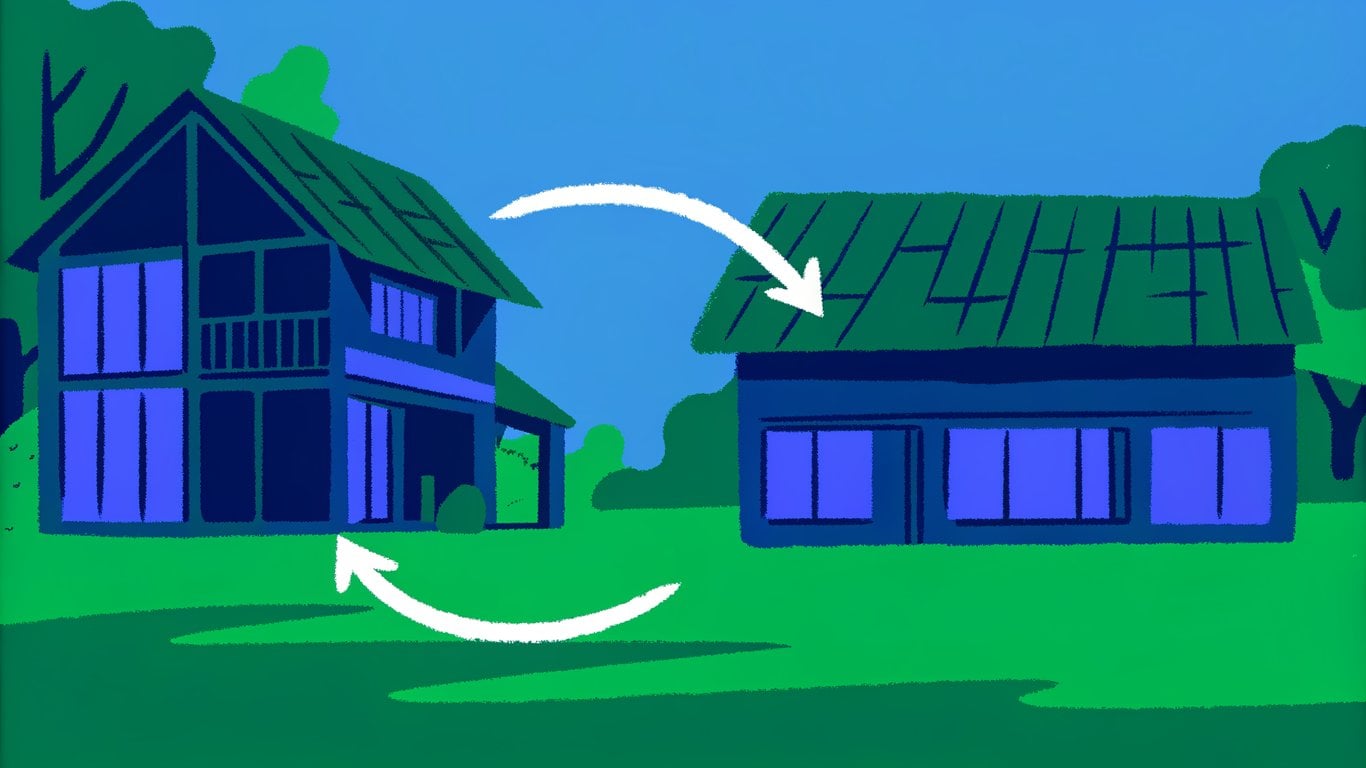
A home trade-in program allows you to use your current home’s equity as part of the purchase of a new property. The company offering the program evaluates your home, makes an offer, and handles the sale while you move forward with buying your next place.
Think of it as a bridge between selling and buying. You’re not dealing with two separate transactions that need to align perfectly. Instead, one company manages both sides, which eliminates many of the timing headaches that make moving so stressful.
How Home Trade-Ins Work: The Basic Process
The process starts with an evaluation of your current home. A representative visits your property, assesses its condition, and reviews comparable sales in your neighborhood. Within a few days, you receive a trade-in offer.
If you accept, you can start shopping for your new home with confidence. You know exactly how much equity you’re working with, and you don’t need to worry about your current home selling before you find something new. Once you’ve selected your next property, both transactions close in coordination.
The company takes ownership of your old home and handles selling it to another buyer. You move into your new place without the typical gap period or the risk of owning two homes simultaneously.
Key Players in Houston’s Home Trade-In Market
Several types of companies offer trade-in programs in Houston. Large homebuilders often provide these services to buyers purchasing new construction. They want to make it easier for you to buy their homes, so they’ll take your existing property as part of the deal.
Some real estate companies have developed their own trade-in programs as well. These typically work with both new and existing homes, giving you more flexibility in what you can purchase next.
There’s also overlap with companies that buy houses for cash, though true trade-in programs differ in structure and purpose. The key distinction is that trade-ins are specifically designed to facilitate your purchase of another home, not just to buy your property outright.
Trade-In vs. Traditional Sale vs. iBuyer: Understanding the Differences
| Method | Timeline | Price Expectation | Best For |
|---|---|---|---|
| Traditional Sale | 30-90 days typically | Full market value potential | Maximizing sale price, flexible timeline |
| Home Trade-In | Coordinated with new purchase | Below market value | Convenience, timing certainty, avoiding contingencies |
| iBuyer/Cash Buyer | 7-14 days typically | Below market value | Speed, selling as-is, no new home purchase needed |
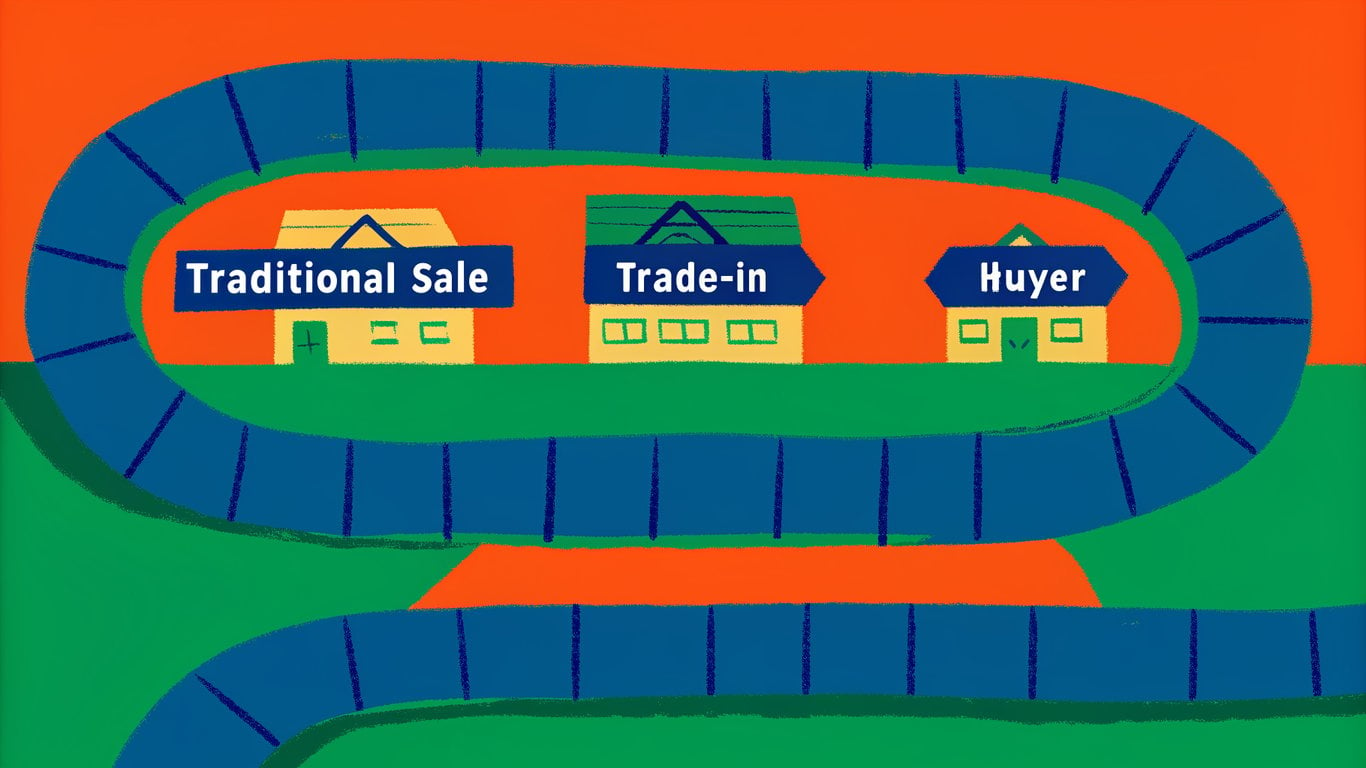
The main difference comes down to what you’re optimizing for. Traditional sales typically net you more money but require more time and effort. Trade-ins sacrifice some profit for convenience and certainty. Cash buyers offer speed but don’t necessarily help you coordinate a new purchase.
How Home Trade-In Programs Work in Houston: The Complete Process
Step 1: Initial Consultation and Home Evaluation
You’ll start by contacting a company that offers trade-in programs. They’ll ask basic questions about your home, including location, size, condition, and how much you owe on your mortgage.
A representative will schedule a visit to walk through your property. They’re looking at everything from major systems like HVAC and roofing to cosmetic details like flooring and paint. They’ll also pull recent sales data for comparable homes in your area.
This evaluation is more thorough than a typical home showing but less invasive than a full inspection. You don’t need to stage or prepare extensively, though basic cleanliness helps them assess the property accurately.
Step 2: Receiving Your Trade-In Offer
Within a few days, you’ll receive a written offer. This includes the trade-in value they’re assigning to your home, any fees or charges, and the terms of the agreement.
The offer is typically below what you might get on the open market. Companies need to account for their costs, the risk they’re taking, and the profit margin they need when they eventually sell your home. The discount varies but often ranges from 5% to 15% below market value, plus program fees.
You’ll have time to review the offer and compare it with what you might net from a traditional sale after commissions, repairs, and carrying costs. Some programs allow limited negotiation, though there’s generally less flexibility than in a traditional transaction.
Step 3: Shopping for Your New Home
Once you accept the trade-in offer, you can shop for your next home with certainty. You know exactly how much equity you’re bringing to the table, and you don’t need to include a home sale contingency in your offers.
This makes you a stronger buyer, especially in competitive markets. Sellers prefer buyers who don’t have homes to sell first. If you’re working with a builder’s trade-in program, you’ll typically be limited to their new construction communities.
The timeline for finding your new home varies. Some programs give you several months to shop, while others expect you to move more quickly. Make sure you understand these timeframes before committing.
Step 4: Closing on Both Properties
The closing process is coordinated so you’re not stuck owning two homes or temporarily homeless. In many cases, both transactions close on the same day or within a few days of each other.
The company takes title to your old home and provides the equity you’ve built up as part of your down payment on the new property. You’ll still need to qualify for a mortgage on your new home based on your income and credit, just like any other purchase.
Some programs allow you to stay in your old home for a short period after closing if your new home isn’t quite ready. This flexibility can be valuable, especially when buying new construction that might face completion delays.

Step 5: Moving and Transition Support
Many trade-in programs include some moving assistance, though the level of support varies. Some companies provide moving credits or connect you with preferred moving companies. Others offer more hands-off arrangements where you handle the logistics yourself.
You won’t need to worry about keeping your old home show-ready during this period. Once you’ve moved out, the company handles any repairs, staging, and marketing needed to sell it to the next buyer.
Eligibility Requirements: Can You Trade In Your Home in Houston?
Property Requirements and Restrictions
Most trade-in programs have minimum home value requirements. You’ll typically need a property worth at least $150,000 to $200,000, though this varies by company. Higher-value homes are generally easier to trade in.
The property needs to be in reasonably good condition. Major structural issues, foundation problems, or extensive deferred maintenance can disqualify you. Companies want homes they can sell relatively quickly without massive renovation costs.
Location matters significantly in Houston’s sprawling metro area. Programs typically focus on established neighborhoods with strong resale potential. Properties in very rural areas or neighborhoods with limited buyer demand may not qualify.
Financial Qualifications
You need substantial equity in your current home. Most programs require at least 10% to 20% equity, though more is better. If you’re underwater on your mortgage or have minimal equity, trade-in programs won’t work for you.
Your credit and income still matter because you’re buying a new home. You’ll need to qualify for a mortgage on your next property, which means meeting standard lending requirements. The trade-in doesn’t eliminate the need for mortgage approval.
Debt-to-income ratios come into play as well. Even though you’re selling your current home, lenders will evaluate whether you can afford the new property based on your income and existing debts.
Houston-Specific Considerations
Flood zone designations can affect eligibility. Properties in high-risk flood zones may face additional scrutiny or be excluded from some programs. Given Houston’s flooding history, this is a real consideration for many homeowners.
HOA restrictions in your current neighborhood might impact the trade-in process. Some associations have rules about how homes can be sold or transferred. You’ll need to verify that a trade-in transaction complies with your HOA’s governing documents.
Common Disqualifiers and How to Address Them
Low equity is the most common disqualifier. If you’ve recently purchased or refinanced, you might not have built up enough equity yet. Waiting a few years or making extra principal payments can help.
Significant property damage or needed repairs can also disqualify you. Addressing major issues before applying improves your chances. You don’t need to make cosmetic updates, but fixing structural or mechanical problems helps.
If one program rejects you, others might still accept your property. Different companies have different criteria and risk tolerances. It’s worth applying to multiple programs if you’re on the borderline.
Costs and Fees: What Does It Cost to Trade In Your Home Houston?
Trade-In Program Fees Explained
Trade-in programs charge fees for their services. These are typically structured as a percentage of your home’s value, often ranging from 3% to 7%. Some companies charge flat fees instead, which can be more or less expensive depending on your home’s price.
The fee covers the company’s costs and profit margin. They’re taking on risk by guaranteeing to buy your home, and they need to cover their expenses when they eventually sell it to another buyer.
You’ll also pay standard closing costs on both transactions. These include title insurance, escrow fees, and other typical expenses. The trade-in fee is in addition to these standard costs.
Cost Comparison: Trade-In vs. Traditional Sale
| Cost Category | Traditional Sale | Trade-In Program |
|---|---|---|
| Agent Commission | 5-6% of sale price | Included in trade-in fee |
| Repairs/Updates | $5,000-$15,000 typically | Usually none required |
| Staging | $2,000-$5,000 | Not needed |
| Carrying Costs | Varies with timeline | Minimal to none |
| Program Fee | None | 3-7% of home value |
| Price Discount | None | 5-15% below market value |
The math isn’t always straightforward. Traditional sales might net you more money on paper, but they come with costs that are harder to quantify. How much is it worth to avoid months of showings? What’s the value of timing certainty?
Hidden Costs and Potential Savings
Double mortgage payments can add up quickly if your home doesn’t sell before you need to buy. Even a few months of carrying two properties can cost thousands of dollars in mortgage payments, utilities, insurance, and maintenance.
Storage costs and temporary housing are other expenses people forget about. If you need to move out before your home sells, you’re paying for somewhere to live and somewhere to store your belongings.
There’s also opportunity cost. If you find your dream home but can’t make an offer because you haven’t sold yet, what’s that worth? Trade-in programs eliminate this problem entirely.
When Trading In Your Home Beats a Traditional Sale
Ideal Candidate Scenarios
Job relocations with tight timelines are perfect for trade-in programs. When you need to move across the country in 60 days, you don’t have time for a traditional sale that might take months.
Competitive buyer markets favor trade-ins as well. When you’re competing against multiple offers, not having a home sale contingency makes your offer significantly stronger. Sellers will often choose a slightly lower offer without contingencies over a higher offer that depends on another home selling.
Families who need to stay in the same school district benefit from the timing certainty. You can coordinate your move to happen during summer break without worrying about your home selling at an inconvenient time.
Houston Market Conditions That Favor Trade-Ins
When inventory is high and homes are sitting on the market longer, trade-ins become more appealing. You avoid the risk of your home languishing unsold while you’re trying to move forward with your life.
Rising interest rates can make trade-ins more attractive too. If rates are climbing, locking in your new home purchase quickly prevents you from facing even higher rates while waiting for your current home to sell.
Financial Situations Where Trade-Ins Make Sense
High equity positions make the convenience premium more affordable. If you have 50% equity in your home, giving up 10% to 15% in value for a smooth transaction might be worth it.
Strong income situations also favor trade-ins. If you’re financially comfortable and value your time highly, paying for convenience makes sense. The stress reduction alone can be worth the cost.
When to Choose Traditional Sale Instead
If you need every dollar from your home sale, traditional selling is probably better. The price difference can be substantial, especially on higher-value homes.
When you have plenty of time and your home is in a desirable area, listing traditionally makes sense. You’ll probably sell relatively quickly at a good price without needing the trade-in convenience.
Low equity situations don’t work well with trade-ins. If you’re barely breaking even on your current home, you can’t afford to give up additional value through a trade-in program.
Pros and Cons: Making an Informed Decision
Key Benefits of Home Trade-In Programs
- Guaranteed sale: You know your home will sell, eliminating the biggest uncertainty in the moving process
- Timing certainty: You can plan your move with confidence instead of hoping everything aligns
- No showings or staging: Your home doesn’t need to be perpetually clean and ready for strangers to walk through
- Simplified process: One company handles both sides of the transaction instead of coordinating multiple parties
- Stronger buyer position: You can make offers without home sale contingencies, making you more competitive
- Reduced stress: The emotional burden of selling while buying is significantly lighter
Potential Drawbacks and Limitations
- Below-market offers: You’ll typically receive less than you might get through a traditional sale
- Program fees: Additional costs on top of the reduced sale price
- Limited negotiation: Less flexibility to negotiate terms compared to traditional sales
- Restricted options: Some programs limit where you can buy your next home
- Qualification requirements: Not everyone’s property or financial situation will qualify
- Less control: You’re giving up some control over the selling process
Risk Assessment: What Could Go Wrong?
The main risk is paying too much for convenience. If you accept a trade-in offer that’s significantly below market value and then your new home purchase falls through, you’ve given up substantial equity for nothing.
Contract terms can also be problematic if you don’t read carefully. Some programs have strict timelines or penalties if you don’t complete the purchase of a new home within a certain period.
There’s also the risk of overestimating the convenience value. If you later realize you could have sold traditionally without much hassle, the money you left on the table might sting.
How to Choose and Evaluate Trade-In Programs in Houston
Questions to Ask Trade-In Companies
- What is your exact trade-in offer, and how did you calculate it?
- What fees will I pay, and when are they due?
- How long do I have to find and close on a new home?
- Can I buy any home, or am I restricted to certain properties or builders?
- What happens if my new home purchase falls through?
- Are there penalties for backing out of the trade-in agreement?
- How long will you let me stay in my current home after closing?
- What repairs or improvements do you require before accepting my home?
- How quickly can we close if I find a new home right away?
Comparing Multiple Trade-In Offers
Get offers from at least two or three different programs if possible. The terms can vary significantly, and you want to understand your options before committing.
Look beyond just the trade-in price. Consider the total cost including fees, the flexibility of the program, and any restrictions on what you can buy next. A slightly lower offer with better terms might be more valuable overall.
Compare the trade-in offers against what you might net from a traditional sale. Get a realistic estimate from a local agent about your home’s market value and what you’d walk away with after commissions and costs.
Red Flags and Warning Signs
Be wary of companies that pressure you to decide quickly without time to review contracts or get independent advice. Legitimate programs will give you reasonable time to evaluate the offer.
Watch for hidden fees or costs that aren’t clearly disclosed upfront. Everything should be in writing, and you should understand exactly what you’re paying for.
Extremely low offers compared to your home’s value might indicate a company that’s more interested in getting a deal than providing a fair service. Some discount is expected, but it should be reasonable.
Working with Real Estate Professionals
Consider consulting with a real estate agent even if you’re pursuing a trade-in. They can help you understand whether the offer is fair and what you might achieve through a traditional sale.
A real estate attorney can review trade-in contracts before you sign. These agreements can be complex, and having professional guidance protects your interests.
Your financial advisor or accountant should review the numbers as well. They can help you understand the tax implications and whether the trade-in makes sense for your overall financial situation.
Is a Home Trade-In Right for Your Houston Move?
Home trade-in programs solve real problems for specific situations. If you value certainty over maximizing every dollar, need to move quickly, or want to avoid the hassle of traditional selling, they’re worth considering seriously.
The decision comes down to your priorities. Are you optimizing for money, time, or peace of mind? There’s no universally right answer, just the right answer for your situation.
Start by getting a trade-in offer and comparing it honestly against what you’d net from a traditional sale. Factor in not just the money but also the time, stress, and risk involved in each approach. Talk to professionals who can give you objective advice based on your specific circumstances.
The option to trade in your home Houston gives you more control over your moving timeline and reduces uncertainty. Whether that’s worth the cost depends entirely on what matters most to you and your family.