
When you think about buying a house, you probably picture walking into a bank, filling out a mountain of paperwork, and waiting weeks (or months) to hear if you’re approved for a mortgage. But there’s another way to finance a home purchase that cuts out the bank entirely.
What Is Owner Financing?
Owner financing real estate transactions happen when the property seller acts as the lender instead of a traditional bank. You might also hear it called seller financing or a contract for deed. Instead of getting a mortgage from Wells Fargo or Chase, you’re making payments directly to the person who owns the house.
The seller essentially becomes your bank. They hold the note on the property while you make monthly payments, usually with interest, until you’ve paid off the agreed-upon purchase price.

How Owner Financing Works
Here’s how a typical owner financing deal unfolds. You and the seller agree on a purchase price, down payment amount, interest rate, and payment schedule. These terms get written into a contract that both parties sign.
You’ll typically put down somewhere between 10-20% of the purchase price upfront. Then you make monthly payments to the seller, which include both principal and interest, just like a regular mortgage. The difference? You’re writing checks to an individual, not a mortgage company.
Depending on how the deal is structured, you might get the deed to the property right away, or the seller might hold onto it until you’ve made your final payment. We’ll get into those different structures in a minute.
When Owner Financing Makes Sense
Owner financing isn’t just some obscure real estate strategy. It solves real problems for both buyers and sellers in specific situations.
For buyers, it’s often a lifeline when traditional financing isn’t an option. Maybe you’re self-employed and can’t prove steady income the way banks want. Maybe you’ve had credit problems in the past. Or maybe you just don’t want to deal with the hassle and expense of conventional mortgage approval.
Sellers benefit too. If you’re going through a divorce and need to sell quickly, owner financing can attract more buyers. Same goes for probate sales where heirs want to liquidate inherited property. And if you’re facing foreclosure, offering owner financing might help you sell before the bank takes the house.
Owner Financing vs. Traditional Mortgages
The differences between owner financing and bank mortgages go beyond just who you’re paying each month.

| Aspect | Owner Financing | Traditional Mortgage |
|---|---|---|
| Approval Process | Negotiated directly with seller | Strict bank underwriting requirements |
| Timeline | Can close in weeks | Typically 30-45 days or longer |
| Credit Requirements | Flexible, seller’s discretion | Minimum credit scores required |
| Down Payment | Negotiable, often 10-20% | Typically 3-20% depending on loan type |
| Closing Costs | Lower, fewer fees | Higher, includes origination and bank fees |
| Interest Rates | Often higher than market rates | Based on current market rates |
Common Owner Financing Structures
Not all owner financing deals work the same way. There are several different structures, each with its own advantages and legal implications.
Contract for Deed (Land Contract)
In a contract for deed arrangement, the seller keeps the property title until you’ve paid off the entire purchase price. You get to live in the house and make improvements, but you don’t technically own it yet.

Think of it like buying a car on a payment plan. You’re using it, maintaining it, and making payments, but the title doesn’t transfer to your name until that final payment clears. This structure gives sellers more security because they can reclaim the property more easily if you default.
Mortgage or Deed of Trust
With this structure, you get the deed immediately, but the seller holds a mortgage lien on the property. It’s closer to how traditional bank financing works. You own the house, but the seller has a legal claim against it until you pay off the loan.
If you stop making payments, the seller can foreclose, just like a bank would. But you have more ownership rights from day one compared to a contract for deed.
Lease-Purchase Agreement
A lease-purchase combines renting with an option to buy. You lease the property for a set period, and part of your monthly rent goes toward the eventual purchase price. At the end of the lease term, you have the option (and sometimes the obligation) to buy the property.
This gives buyers time to improve their credit or save for a larger down payment while locking in a purchase price. Sellers get rental income and a committed buyer.
All-Inclusive Trust Deed (Wraparound Mortgage)
Here’s where things get interesting. In a wraparound mortgage, the seller still has their own mortgage on the property. You make payments to the seller, and they continue making payments on their original loan.
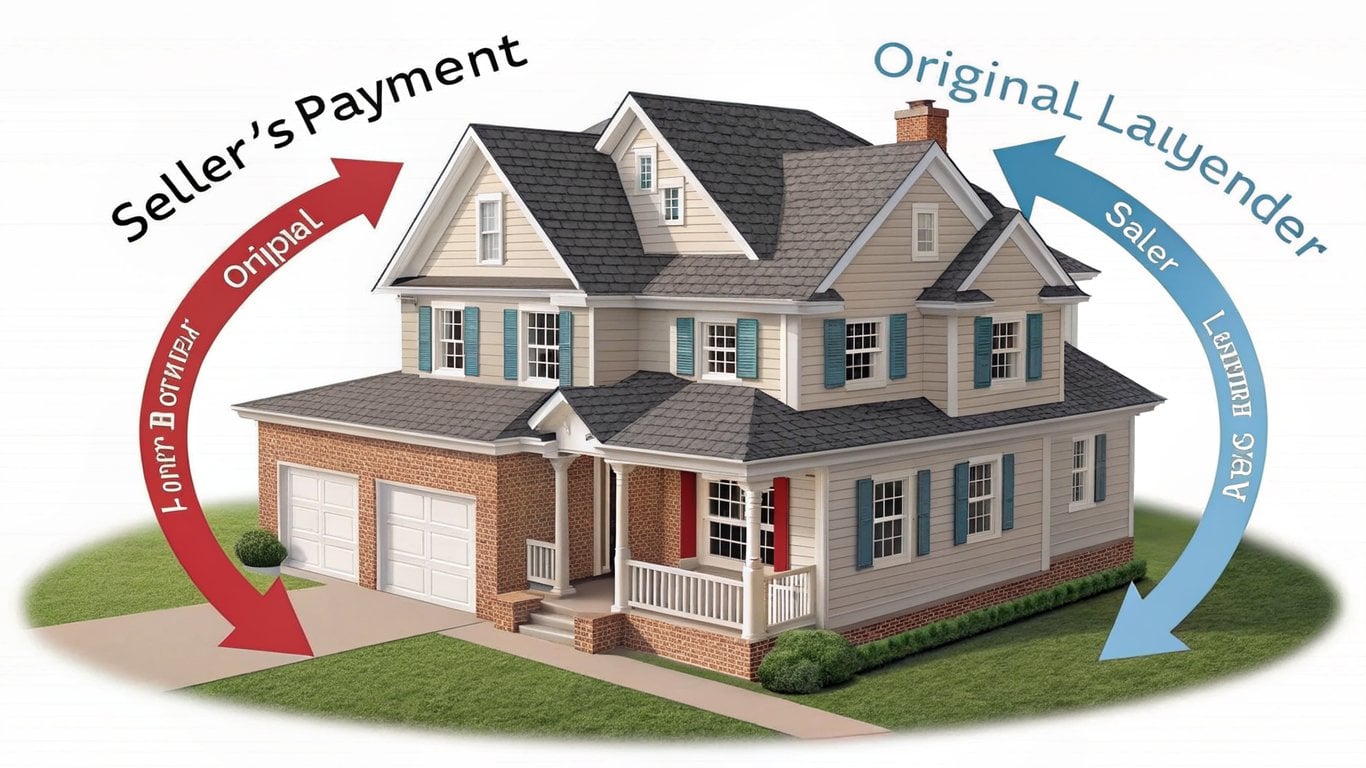
Your new loan “wraps around” the seller’s existing mortgage. The seller profits from the difference between what you’re paying them and what they’re paying their lender. But this structure comes with risks, especially if the seller’s mortgage has a due-on-sale clause.
Balloon Payment Structures
Many owner financing deals include a balloon payment. You make regular monthly payments for a set period (often 3-5 years), then you owe the entire remaining balance in one lump sum.
The idea is that you’ll refinance with a traditional lender before the balloon payment comes due. By then, you’ve hopefully improved your credit and built equity in the property. But if you can’t refinance or pay the balloon, you could lose the house.
Advantages of Owner Financing for Sellers
Faster Property Sales and Expanded Buyer Pool
When you offer owner financing, you’re opening your property to buyers who can’t get traditional loans. That’s a much bigger pool of potential buyers. Properties with owner financing options often sell faster because you’re not limited to buyers who can jump through all the bank’s hoops.
Higher Sale Price and Interest Income
Sellers can often command a premium price when offering financing. Buyers who can’t get bank loans are sometimes willing to pay more for the opportunity to purchase. Plus, you’re earning interest on the loan, creating an income stream that can exceed what you’d earn from other investments.
Tax Benefits and Installment Sale Treatment
Instead of getting hit with a massive capital gains tax bill all at once, you can spread that tax burden over multiple years through installment sale treatment. You only pay taxes on the principal you receive each year, not the entire gain upfront. This can keep you in a lower tax bracket and reduce your overall tax liability.
Reduced Closing Costs and Fees
Without a bank involved, you avoid many of the fees that come with traditional sales. No loan origination fees, no bank appraisal requirements, and fewer third-party charges. The closing process is simpler and cheaper for everyone involved.
Steady Cash Flow and Investment Returns
Those monthly payments create predictable passive income. If you structure the deal with a competitive interest rate, you might earn better returns than you would from bonds or savings accounts. It’s like having a performing note in your investment portfolio.
Disadvantages and Risks for Sellers
Default and Foreclosure Risk
The biggest risk? Your buyer might stop paying. Then you’re stuck going through the foreclosure process, which in Texas can take several months and cost thousands in legal fees. Even if you get the property back, you’ve lost time and money, and the house might be in worse condition than when you sold it.
Delayed Full Payment
You don’t get a big check at closing. Instead, you’re waiting years to receive the full sale price. If you need cash now for another investment, to pay off debts, or for retirement, owner financing ties up your money. You can’t access that equity until the buyer pays you off or refinances.
Property Maintenance and Condition Concerns
Some buyers don’t maintain properties properly, especially if they’re struggling financially. If you have to foreclose, you might get back a house that needs significant repairs. That deferred maintenance eats into any profit you made from the deal.
Due-on-Sale Clause Complications
If you still have a mortgage on the property, it probably includes a due-on-sale clause. This means your lender can demand full payment if you sell the property. Wraparound mortgages violate these clauses, and if your lender finds out, they can call your loan due immediately.
Administrative Burden
You’re now a lender, which means tracking payments, managing escrow accounts for taxes and insurance, sending statements, and keeping detailed records. If the buyer pays late or misses payments, you need to follow up. It’s more work than just selling to a cash buyer or someone with bank financing.
Advantages of Owner Financing for Buyers
Easier Qualification and Flexible Credit Requirements
Banks have rigid requirements. Sellers don’t. If you’ve had credit problems, gone through bankruptcy, or have non-traditional income, owner financing might be your best shot at homeownership. The seller cares more about your down payment and ability to make monthly payments than your credit score.
Faster Closing Process
Without bank underwriting, you can close in weeks instead of months. No waiting for appraisals, no endless document requests, no last-minute loan conditions. You negotiate terms with the seller, sign the paperwork, and move in.
Lower Closing Costs
You’ll save money on closing costs because there’s no loan origination fee, no bank appraisal, and fewer third-party charges. Those savings can be substantial, sometimes several thousand dollars.
Negotiable Terms and Flexibility
Everything is negotiable. The down payment, interest rate, payment schedule, even the purchase price. If you need a lower monthly payment, you can negotiate a longer term. If you want to pay extra toward principal without penalties, you can write that into the contract.
Opportunity for Credit Rebuilding
Making consistent payments can help rebuild your credit. If the seller reports your payments to credit bureaus (not all do), you’re establishing a positive payment history. This can help you qualify for traditional refinancing down the road.
Disadvantages and Risks for Buyers
Higher Interest Rates
Sellers typically charge higher interest rates than banks. While conventional mortgages might be around 6-7%, owner financing deals often run 8-12% or higher. Over the life of the loan, that difference adds up to tens of thousands of dollars in extra interest.
Larger Down Payment Requirements
Sellers want skin in the game. They’ll often require 10-20% down, sometimes more. That’s higher than many conventional loan programs, which can require as little as 3% down. Coming up with that much cash can be a barrier.
Balloon Payment Challenges
If your contract includes a balloon payment, you’re betting on your ability to refinance or pay off the balance in a few years. If your credit hasn’t improved enough, or if lending standards tighten, you might not qualify for refinancing. Then you’re stuck either losing the house or scrambling to find the money.
Limited Legal Protections
Bank mortgages come with consumer protections built into federal law. Owner financing has fewer safeguards. If the contract is poorly written or unfair, you might not have much recourse. That’s why having a real estate attorney review everything is critical.
Title and Lien Complications
What if the seller has undisclosed liens on the property? What if there are title problems? In a traditional sale, title insurance protects you. With owner financing, you need to do your own due diligence. If the seller’s mortgage gets called due because of a due-on-sale clause, you could lose the property even though you’ve been making payments.
Property Condition Concerns
Owner-financed properties are often sold as-is. The seller might not agree to repairs or inspections. You could be buying a house with hidden problems, and you won’t have the same negotiating leverage you’d have with bank financing.
Texas-Specific Legal Requirements and Checklist
Texas Property Code Requirements
Texas has specific laws governing owner financing under Property Code Chapter 5, Subchapter D. These regulations provide consumer protections and set requirements for disclosure and contract terms. Sellers need to follow these rules or risk legal consequences.
Required Disclosures in Texas
Texas law requires sellers to provide specific disclosures, including property condition information, tax details, and homeowners association requirements. You’ll need to disclose any known defects, pending special assessments, and the terms of the financing arrangement itself.
Title Insurance and Title Search
Don’t skip the title search. You need to verify that the seller actually owns the property free and clear (or with disclosed liens). Title insurance protects both parties from hidden title defects, unpaid taxes, or other claims against the property. It’s worth the cost.
Essential Contract Elements
Your owner financing contract needs to include the purchase price, interest rate, payment schedule, default provisions, and a complete legal description of the property. It should also specify who pays property taxes and insurance, what happens if payments are late, and the process for transferring the deed.
Recording and Documentation Requirements
Record your contract, deed of trust, or mortgage with the county clerk where the property is located. This creates a public record of the transaction and protects your interest in the property. Keep detailed records of all payments, including dates, amounts, and how much went toward principal versus interest.
Dodd-Frank Act Compliance
The Dodd-Frank Act includes ability-to-repay requirements that can apply to owner financing. However, there are exemptions for individual sellers who own the property, aren’t in the business of making loans, and structure the financing properly. Still, it’s smart to verify the buyer can actually afford the payments.
Texas Foreclosure Laws and Procedures
Texas allows non-judicial foreclosure, which means you don’t necessarily need to go to court. For a deed of trust, the process involves sending proper notice and following specific timelines. For a contract for deed, the process is different and requires notice and opportunity to cure. Either way, foreclosure takes time and money.
Legal Checklist for Texas Owner Financing
- Consult with a real estate attorney experienced in owner financing
- Conduct a thorough title search and obtain title insurance
- Draft a comprehensive contract including all required terms
- Complete all mandatory Texas property disclosures
- Record the contract or deed of trust with the county clerk
- Verify property insurance is in place and maintained
- Establish a system for tracking and documenting payments
- Ensure compliance with Dodd-Frank requirements if applicable
- Set up proper tax and insurance escrow if required
- Keep copies of all documents in a secure location
Making Owner Financing Work: Best Practices and Next Steps
Working with Qualified Professionals
Don’t try to do this alone. Hire a real estate attorney who knows owner financing inside and out. Work with a title company to handle the closing and title insurance. If you’re a seller, consider consulting with a tax advisor about the implications of installment sale treatment.
Structuring a Fair Agreement
The best deals work for both parties. Set an interest rate that’s competitive but fair. Require a down payment that gives the buyer equity but isn’t impossible to save. Create a payment schedule the buyer can realistically afford. Include clear terms for what happens if someone wants to pay off the loan early.
Due Diligence for Buyers
Get a professional home inspection even if the seller says the house is in great shape. Verify the seller actually owns the property and has the right to sell it. Check for liens, unpaid taxes, or other claims. Research the seller’s background. Calculate whether you can truly afford the payments, including property taxes and insurance.
Protecting Sellers’ Interests
Vet your buyers carefully. Check their employment, income, and credit history. Require a substantial down payment so they have something to lose if they default. Make sure the contract requires them to maintain property insurance with you listed as a loss payee. Include clear default remedies and foreclosure procedures in the contract.
Exit Strategies and Refinancing Options
Buyers should have a plan for eventually refinancing with a traditional lender. Work on improving your credit, paying down other debts, and building equity in the property. Sellers should understand that buyers might refinance early, paying off the loan sooner than expected. Build that possibility into your financial planning.
When to Consider Alternatives
Owner financing isn’t always the best choice. If you’re a seller who needs cash immediately, a traditional sale or cash buyer makes more sense. If you’re a buyer who qualifies for conventional financing, you’ll probably get better terms from a bank. And if either party isn’t comfortable with the risks involved, it’s better to walk away than force a deal that doesn’t feel right.
Owner financing real estate transactions can create opportunities that wouldn’t exist otherwise. But they require careful planning, proper legal documentation, and realistic expectations from everyone involved. Do your homework, work with professionals, and make sure the deal makes sense for your specific situation.