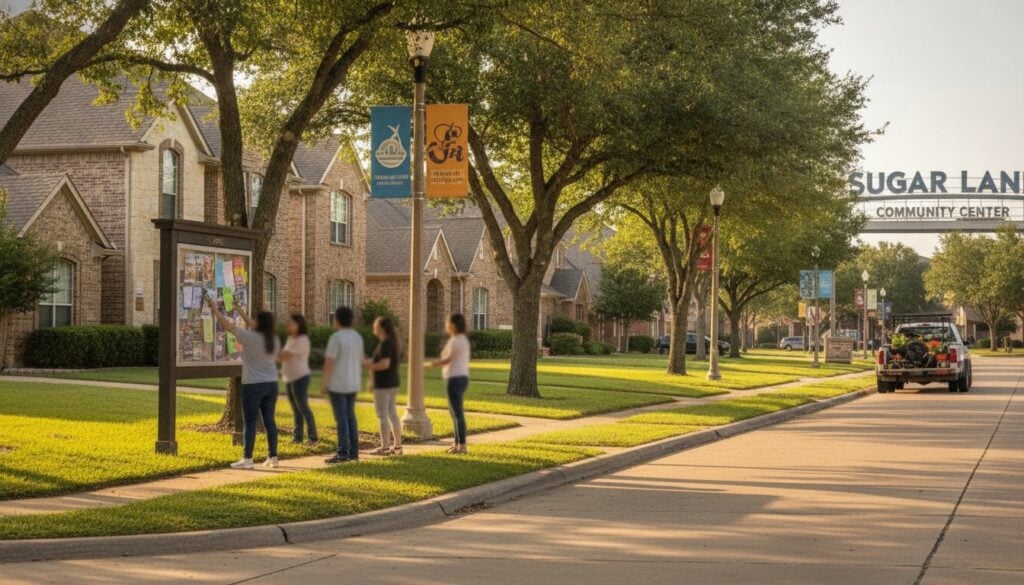
Fort Bend County has become one of the most watched real estate markets in the entire Houston metro area. The combination of strong population growth, excellent schools, and quality of life factors continues to draw buyers from across Texas and beyond.
Current Market Conditions and Statistics
The Fort Bend County real estate market is showing interesting dynamics as we move through 2026. While specific median prices fluctuate by subdivision and city, the overall trend shows continued demand across most price points. Inventory levels have been adjusting from the tight conditions we saw in previous years, giving buyers more options than they’ve had in a while.

Days on market vary significantly depending on location and price point. Homes in highly-rated school zones and master-planned communities with strong amenities tend to move faster than properties in older neighborhoods or areas with longer commutes.
Why Fort Bend County Continues to Attract Buyers
Fort Bend County’s appeal isn’t hard to understand. The county offers a compelling mix of suburban comfort and urban accessibility. You’re close enough to Houston’s job centers without dealing with inner-loop traffic and prices.
The school districts here consistently rank among the best in Texas. Fort Bend ISD, Lamar CISD, and the Fort Bend portions of Katy ISD all maintain strong academic reputations. That’s a huge draw for families relocating to the Houston area.
Employment opportunities within the county have expanded too. You’re not necessarily commuting into Houston anymore. Major employers have established operations throughout Fort Bend County, creating local job opportunities in healthcare, energy, technology, and retail.

Buyer’s Market vs. Seller’s Market: Where We Stand
The market has shifted from the intense seller’s market conditions of recent years. We’re seeing more balanced conditions now, though certain neighborhoods and price points still favor sellers. Homes priced competitively in desirable subdivisions with good schools still generate multiple offers.
For buyers, this means you’ve got more negotiating power than you did a couple years ago. Inspection contingencies are back on the table. Sellers are more willing to make repairs or offer credits. The days of waiving everything just to get your offer accepted have mostly passed.

2026 Market Forecast and Expert Predictions
Looking ahead through 2026 and beyond, most market observers expect continued growth in Fort Bend County, though probably at a more moderate pace than we’ve seen historically. The fundamentals remain strong: population growth, job creation, and limited land supply in the most desirable areas.
Interest rates will continue to play a major role in market dynamics. As rates stabilize or potentially decrease, we could see renewed buyer activity. But even with current rates, Fort Bend County remains attractive compared to many other major metro areas across the country.
Fort Bend County Subdivision Comparison Guide
Choosing the right subdivision in Fort Bend County can feel overwhelming. Each community has its own character, amenities, and price point. Here’s what you need to know about the major areas.
Sugar Land: Master-Planned Communities and Established Neighborhoods
Sugar Land represents the premium end of Fort Bend County real estate. Communities like Greatwood, Telfair, Riverstone, and First Colony offer extensive amenities, highly-rated schools, and well-maintained infrastructure.
You’ll pay more to live in Sugar Land, but many buyers find the investment worthwhile. The city has invested heavily in parks, recreation facilities, and public spaces. The Town Square area provides shopping, dining, and entertainment options that rival any suburban development in Texas.
Missouri City: Affordable Options with Easy Commute Access
Missouri City offers better value for buyers who want Fort Bend County schools and amenities without Sugar Land prices. Sienna Plantation stands out as one of the area’s most popular master-planned communities, with extensive amenities and a strong sense of community.
Quail Valley and Lake Olympia provide more established neighborhood options with mature trees and varied housing styles. The commute into Houston is manageable from Missouri City, with good access to major highways.
Katy (Fort Bend Side): New Construction and Family-Friendly Living
The Fort Bend County portions of Katy have seen tremendous growth. Cinco Ranch remains one of the most sought-after communities in the entire Houston area, offering top-rated schools, extensive amenities, and a family-friendly atmosphere.
Grand Lakes and other newer developments continue to expand westward, offering modern homes with the latest features and energy-efficient construction. The trade-off is typically a longer commute if you’re working in central Houston.

Richmond and Rosenberg: Historic Charm Meets Modern Growth
Richmond and Rosenberg offer the most affordable entry points into Fort Bend County real estate. These cities maintain small-town character while experiencing significant growth and development.
Historic downtown Richmond provides unique charm you won’t find in newer master-planned communities. Rosenberg has invested in revitalization efforts and continues to attract new residents looking for value and space.
Fulshear and Emerging Communities
Fulshear represents the frontier of Fort Bend County development. Cross Creek Ranch and other master-planned communities are transforming what was recently rural land into thriving residential areas.
These emerging communities offer the newest homes, latest amenities, and room for growth. The challenge is the commute and the fact that retail and services are still catching up to the residential development.
Fort Bend County Property Tax Guide: What Every Homeowner Must Know
Property taxes in Fort Bend County deserve serious attention. They’ll probably be your second-largest housing expense after your mortgage payment. Understanding how they work can save you thousands of dollars.
Understanding Fort Bend County Tax Rates by Municipality
Tax rates vary across Fort Bend County depending on which city and school district you’re in. Your total tax rate combines county taxes, city taxes, school district taxes, and various special districts like MUDs (Municipal Utility Districts) or emergency services districts.
School district taxes typically represent the largest portion of your property tax bill. That’s why comparing total tax rates between subdivisions is so important when you’re house hunting. Two homes with similar purchase prices can have significantly different annual tax bills.
Fort Bend Central Appraisal District (FBCAD) Process
The Fort Bend Central Appraisal District (FBCAD) determines your property’s assessed value each year. They look at recent sales of comparable properties, property characteristics, and market conditions.
FBCAD has been aggressive with valuation increases in recent years, reflecting the strong appreciation Fort Bend County has experienced. You’ll receive your notice of appraised value in the spring, and that’s when you need to decide whether to protest.
Property Tax Exemptions and How to Qualify
Texas offers several property tax exemptions that can reduce your tax burden. The homestead exemption is the most common, removing a portion of your home’s value from taxation. You must apply for it, though. It doesn’t happen automatically.
Additional exemptions exist for homeowners over 65, disabled veterans, and disabled individuals. These can provide substantial tax savings. Check with FBCAD to see which exemptions you qualify for and make sure you’ve applied for all of them.
Step-by-Step Guide to Protesting Your Property Tax Assessment
Protesting your property tax assessment is your right as a Texas homeowner. The process starts when you receive your notice of appraised value from FBCAD. You typically have until May 15th or 30 days after receiving your notice (whichever is later) to file your protest.
- File your protest online through the FBCAD website or by mail
- Gather evidence: recent sales of comparable homes, photos of needed repairs, independent appraisals
- Attend an informal hearing with an FBCAD appraiser (optional but recommended)
- If unsatisfied, proceed to a formal Appraisal Review Board (ARB) hearing
- Present your evidence clearly and professionally
- Receive the ARB’s decision and decide whether to accept it or pursue further appeals
Many homeowners successfully reduce their assessed values through this process. Even a modest reduction can save you hundreds of dollars annually.
Relocation Guide: Moving to Fort Bend County in 2026
Relocating to Fort Bend County requires more than just finding the right house. You need to understand schools, employment, commutes, and lifestyle factors that’ll affect your daily life.
Fort Bend County School Districts: Comprehensive Ratings and Comparisons
Schools drive many relocation decisions in Fort Bend County. The major districts all maintain strong reputations, but they have different strengths and characteristics.
Fort Bend ISD serves much of Sugar Land and Missouri City. It’s one of the most diverse school districts in Texas and offers strong academic programs, particularly in STEM fields. Lamar CISD covers Rosenberg, Richmond, and surrounding areas, with a reputation for excellent facilities and competitive athletics alongside academics.
The Fort Bend portions of Katy ISD benefit from that district’s outstanding reputation and resources. Individual school ratings vary within each district, so research specific campuses that would serve your address.
Employment and Economic Opportunities
Fort Bend County’s economy has diversified significantly. Healthcare represents a major employment sector, with numerous hospitals and medical facilities throughout the county. Energy companies maintain operations here, though not at the concentration you’ll find closer to downtown Houston.
Retail and service industries have expanded to serve the growing population. Technology companies have also discovered Fort Bend County, attracted by the educated workforce and lower costs compared to other major tech hubs.
Commute Considerations: Getting Around Fort Bend County
Your commute will depend heavily on where you live and work. US 59 (now I-69), the Westpark Tollway, and Fort Bend Parkway provide the main arteries for getting around. Traffic can be heavy during rush hours, particularly heading into Houston in the morning and returning in the evening.
Plan for 30-60 minutes if you’re commuting into central Houston from most Fort Bend County locations. Living closer to your workplace obviously reduces this, and many residents have found jobs within the county that eliminate the Houston commute entirely.
Lifestyle and Amenities: What Makes Fort Bend County Special
Fort Bend County offers suburban living with access to urban amenities. Parks and recreation facilities are abundant, particularly in the master-planned communities. Many neighborhoods have their own pools, fitness centers, and sports facilities.
Shopping and dining options have expanded dramatically. Sugar Land Town Square, First Colony Mall, and numerous shopping centers provide retail therapy. The restaurant scene has matured beyond chain restaurants to include diverse local options reflecting the county’s multicultural population.
Buying and Selling Fort Bend County Real Estate: Practical Strategies
Whether you’re buying or selling Fort Bend County real estate, understanding the local market dynamics gives you a significant advantage.
First-Time Homebuyer Strategies
First-time buyers in Fort Bend County should explore all available assistance programs. Texas offers several programs that can help with down payments and closing costs. FHA loans remain popular for buyers who don’t have large down payments saved.
Getting pre-approved before you start house hunting is essential. Sellers want to see that you’re a serious buyer with financing in place. In competitive situations, a strong pre-approval can make the difference.
Investment Property Opportunities
Fort Bend County attracts real estate investors for good reason. Strong rental demand exists, particularly near major employment centers and in highly-rated school zones. Single-family homes in established neighborhoods can generate solid rental income.
The key is understanding your numbers. Property taxes will eat into your returns, so factor them carefully into your investment analysis. Appreciation potential remains strong in many areas, but rental income needs to cover your expenses in the meantime.
Pricing and Marketing Your Home for Sale
Sellers need to price competitively based on recent comparable sales in their specific subdivision. Overpricing in today’s market means your home sits while buyers look at better-priced alternatives. Your home becomes stale, and you’ll eventually reduce the price anyway.
Professional photography and online marketing are non-negotiable. Most buyers start their search online, and your listing needs to stand out. Staging helps too, particularly in higher price points where buyers expect move-in ready condition.
Special Situations: Divorce, Probate, and Foreclosure
Not every real estate transaction follows the standard path. Some situations require specialized knowledge and sensitivity.
Selling During Divorce
Divorce complicates real estate transactions. Both parties need to agree on listing price, repairs, and offer acceptance. Working with an agent experienced in divorce sales helps navigate these challenges.
The court may require specific procedures for selling marital property. Understanding these requirements upfront prevents delays and conflicts later. Clear communication between all parties, including attorneys, keeps the process moving forward.
Probate Property Sales
Selling inherited property in Fort Bend County involves probate court procedures. The executor or administrator must have legal authority to sell the property. This process takes time, and buyers need to understand the timeline.
Court approval may be required before closing. Working with a real estate agent and attorney familiar with probate sales ensures you follow proper procedures and avoid legal complications.
Foreclosure Prevention and Alternatives
Homeowners facing foreclosure have options. Short sales allow you to sell for less than you owe with lender approval. Loan modifications might reduce your payment to an affordable level. Deed in lieu of foreclosure lets you transfer the property to the lender voluntarily.
Acting early gives you more options. Once foreclosure proceedings start, your choices become more limited. Contact your lender immediately if you’re struggling with payments.
Your Next Steps in Fort Bend County Real Estate
Fort Bend County real estate offers opportunities for buyers, sellers, and investors. The market remains strong, supported by population growth, excellent schools, and quality of life factors that continue attracting new residents.
Start by getting clear on your goals. Are you buying your first home? Selling to relocate? Investing for rental income? Your strategy should match your specific situation and timeline.
Research thoroughly. Visit neighborhoods at different times of day. Talk to residents. Check school ratings. Calculate total costs including property taxes. The more you know before making an offer or listing your home, the better your outcome will be.
Working with experienced local professionals makes a difference. Real estate agents who specialize in Fort Bend County understand the nuances of different subdivisions, school zones, and market conditions. They can guide you through the process and help you avoid costly mistakes.
The Fort Bend County real estate market rewards those who do their homework and act decisively when they find the right opportunity. Whether you’re buying, selling, or investing, understanding the local market gives you the confidence to make smart decisions.