
The real estate market has changed dramatically over the past few years. What used to require endless phone calls, in-person meetings, and manual research can now happen from your phone while you’re sitting on your couch. AI tools for home buyers have transformed how people search for properties, estimate values, and track market changes.
These aren’t just fancy calculators with a new label. Modern AI platforms analyze millions of data points, learn from user behavior, and deliver personalized insights that would’ve taken weeks to compile manually. For Texas homebuyers dealing with complex situations like divorce, probate, or foreclosure, these tools can provide clarity when you need it most.
What Makes a Tool ‘AI-Powered’ in Real Estate?
Not every real estate website with a search bar is using AI. Real AI tools for home buyers use machine learning algorithms that improve over time. They analyze patterns in property data, user preferences, and market trends to make predictions and recommendations.
Traditional real estate technology might let you filter by price and bedrooms. AI-powered tools go further. They learn what you actually like based on which listings you click, how long you view properties, and what features matter most to you. Then they surface properties you might’ve missed with basic filters.

Why These Tools Matter Right Now
The Texas real estate market moves fast. Properties in desirable neighborhoods can receive multiple offers within hours of listing. AI tools give you a competitive edge by alerting you to new listings instantly and helping you make data-driven decisions quickly.
For sellers navigating challenging situations, AI valuations provide a starting point for pricing discussions. You’re not walking into negotiations blind. You’ve got data-backed estimates from multiple sources, which is particularly valuable when emotions run high during divorce proceedings or probate sales.
Who Benefits Most from AI Home Buying Tools?
First-time buyers often feel overwhelmed by the process. AI tools simplify the learning curve by explaining market conditions and suggesting properties within your budget. You don’t need to become a real estate expert overnight.
Sellers dealing with divorce, probate, or foreclosure face unique pressures. Quick, accurate valuations help you understand your position without waiting days for professional appraisals. Investors use these tools to identify undervalued properties and predict market movements. Anyone competing in hot markets benefits from real-time alerts and predictive insights.

AI-Powered Home Search Tools
Finding the right property used to mean scrolling through hundreds of listings that barely matched what you wanted. AI search tools have changed that equation completely.
Smart Property Matching
Modern platforms like Redfin and Zillow use AI to understand your preferences beyond basic filters. They track which properties you save, how long you view each listing, and what features appear in your favorites. Over time, the algorithm learns your actual preferences, not just what you think you want.
This matters because people often don’t know exactly what they’re looking for until they see it. You might filter for three bedrooms but consistently click on four-bedroom homes with home offices. The AI picks up on that pattern and adjusts recommendations accordingly.
Visual Search Capabilities
Some platforms now let you upload photos of homes you like. The AI analyzes architectural styles, interior design elements, and property features to find similar listings. It’s particularly useful when you can’t quite articulate what you want but know it when you see it.
Predictive Search Features
The most advanced AI tools don’t just react to your searches. They anticipate what you might want based on your behavior patterns. If you’ve been looking at properties in a specific school district, the system might alert you to new listings there before they hit mainstream search results.
Neighborhood Intelligence
AI-powered neighborhood analysis goes beyond basic demographics. These tools compile data on school ratings, crime statistics, walkability scores, and local amenities. For Texas neighborhoods, you can often find insights on property tax trends, flood zones, and community development plans.
AI Home Valuation Tools
Automated Valuation Models (AVMs) have become surprisingly sophisticated. They’re not perfect, but they’re getting better every year.
How AI Valuations Actually Work
AVMs analyze recent sales of comparable properties, property characteristics, location data, and market trends. They consider factors like square footage, lot size, number of bedrooms and bathrooms, age of the home, and recent renovations. The algorithms also factor in broader market conditions and seasonal trends.
What makes them ‘AI’ is their ability to weigh these factors differently based on local market conditions. A pool might add significant value in Austin but less in northern Texas. The AI learns these regional differences from historical data.
Leading Valuation Platforms
HouseCanary provides comprehensive property valuations with predictive market insights. Their platform is particularly strong for analyzing market trends and forecasting future values. Zillow’s Zestimate is probably the most well-known AVM, offering instant valuations on millions of properties. Redfin Estimate combines AI with local market expertise from their agent network.

When to Trust AI Valuations (and When Not To)
AI valuations work best for standard properties in active markets with lots of recent sales data. A three-bedroom ranch in a suburban subdivision? The AI probably has dozens of comparable sales to analyze. A custom-built home on acreage? That’s trickier.
Distressed sales, properties with unique features, recent major renovations, and homes in rapidly changing neighborhoods all challenge AI accuracy. If you’re selling due to divorce or foreclosure, the AI might not account for the urgency affecting your pricing strategy.
Using Valuations for Different Scenarios
For divorce settlements, AI valuations provide a neutral starting point for discussions. Both parties can see the same data-driven estimate. In probate situations, these tools help heirs understand property value quickly without waiting for formal appraisals. For foreclosure scenarios, AI valuations help you gauge whether a short sale makes sense.
Market Alert and Monitoring Systems
The difference between getting your dream home and missing out often comes down to timing. AI-powered alert systems keep you informed without requiring constant manual checking.
Real-Time Listing Alerts
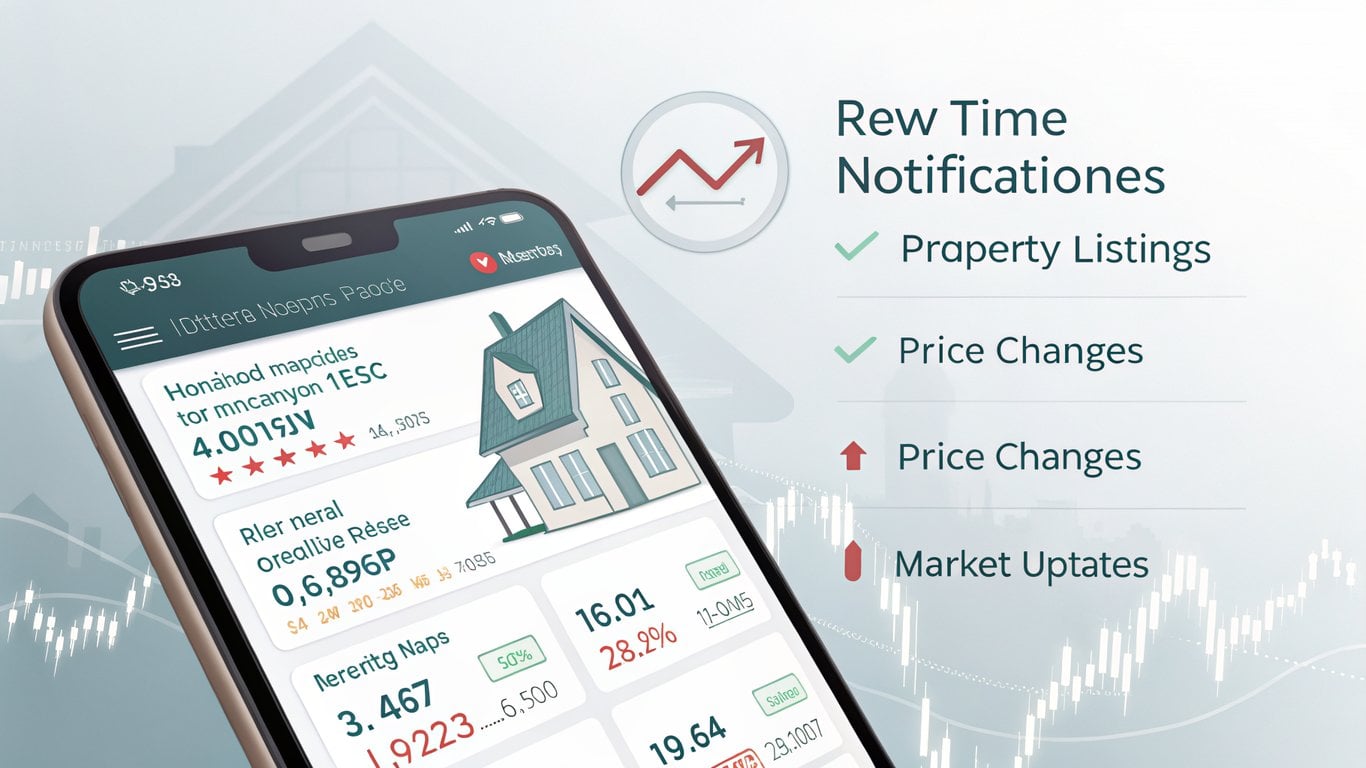
Modern AI tools monitor MLS feeds continuously and send notifications within minutes of new listings. You can set specific criteria for bedrooms, bathrooms, price range, and location. The AI learns from your interactions to refine which alerts you actually want to receive.
Price Change Notifications
Price reductions often signal motivated sellers. AI tools track properties you’ve viewed and alert you when prices drop. Some platforms also notify you when properties in your saved searches increase in price, which can indicate rising market demand.
Market Trend Analysis
AI-powered dashboards compile data on inventory levels, average days on market, and pricing trends for specific Texas regions. You can see whether you’re entering a buyer’s or seller’s market and adjust your strategy accordingly.
Predictive Market Insights
Some AI platforms attempt to forecast future market movements based on historical patterns, economic indicators, and local development plans. These predictions aren’t guarantees, but they provide context for timing decisions.
Top AI Tools for Home Buyers in 2026
The landscape of AI tools for home buyers has expanded significantly. Here’s what’s actually worth your time.
Comprehensive Platforms
HouseCanary excels at market intelligence and predictive analytics. Their platform provides detailed valuation reports and market forecasts that help you understand not just current values but where the market might be heading. Redfin combines AI-powered search with human expertise from local agents. Their estimates benefit from agent input on local market conditions. Zillow offers the broadest coverage with their Zestimate tool available on millions of properties nationwide.
AI Chatbots and Virtual Assistants
Conversational AI tools can answer questions about properties, schedule showings, and provide instant market data 24/7. They’re particularly useful for quick questions outside normal business hours.
Mobile Apps with AI Features
Smartphone apps leverage AI for on-the-go property search and instant market data. Some include augmented reality features that let you visualize furniture placement or potential renovations.
How to Validate AI Results Locally
AI tools provide valuable insights, but you shouldn’t make major financial decisions based solely on algorithm outputs. Here’s how to verify what you’re seeing.
Cross-Reference Multiple AI Tools
Check the same property on three to five different platforms. If HouseCanary, Zillow, and Redfin all estimate similar values, that’s a good sign. If one platform shows a value 20% higher than the others, dig deeper to understand why.
Verify with Texas MLS Data
Multiple Listing Service data is the gold standard for recent sales information. Many Texas real estate agents can provide MLS access or reports. Compare AI valuations against actual recent sales of similar properties in the same neighborhood.
Check County Appraisal District Records
Texas county appraisal districts maintain public records of property tax assessments and sales history. These records are free to access online. Look up the property’s tax assessment, recent sales price, and ownership history. While tax assessments don’t always reflect market value, they provide another data point for comparison.
Consult Local Real Estate Professionals
AI tools are starting points, not replacements for human expertise. Texas real estate agents understand local market nuances that algorithms might miss. For divorce, probate, or foreclosure situations, professional guidance becomes even more critical. An experienced agent can explain how your specific circumstances might affect pricing and timing.
Ground-Truth the Neighborhood
Visit neighborhoods at different times of day. Talk to residents if possible. Drive around to see actual property conditions. AI can tell you crime statistics, but it can’t tell you about the barking dog next door or the street that floods every heavy rain.
Red Flags Requiring Human Expertise
- Properties with unique architectural features or custom builds
- Homes with recent major renovations not yet reflected in public records
- Distressed sales including foreclosures and short sales
- Properties with legal complications or title issues
- Rapidly changing neighborhoods with limited recent sales data
- Homes requiring significant repairs or updates
- Properties in areas with pending zoning changes or development
Best Practices for Using AI Tools Effectively
Getting value from AI tools for home buyers requires the right approach. Here’s what actually works.
Combine AI with Human Expertise
Use AI tools for initial research and ongoing monitoring. Let them handle the data crunching and alert you to opportunities. But bring in human professionals for final decisions, especially in complex situations. A good workflow might look like this: AI tools identify potential properties and provide valuation estimates, you visit promising properties and verify neighborhood conditions, then consult with a real estate agent before making offers.
Understand Data Freshness
Check when AI data was last updated. Real estate markets can shift quickly. An estimate based on sales from six months ago might not reflect current conditions. Most platforms indicate their data sources and update frequency somewhere in the fine print.
Privacy and Data Security
AI tools collect data on your searches, preferences, and behavior. Read privacy policies to understand what information is collected and how it’s used. Use strong passwords and be cautious about sharing financial information until you’re ready to make serious offers.
Set Realistic Expectations
AI tools can’t predict human factors like how much someone will fall in love with a property or how motivated a seller really is. They can’t account for emotional value or unique circumstances. Use them as decision support tools, not crystal balls.
Create an AI-Enhanced Strategy
Start by setting up alerts on multiple platforms for your target areas and criteria. Check AI valuations on properties that interest you across several tools. Research neighborhoods using AI-powered demographic and amenity data. Visit properties and verify conditions in person. Consult with local professionals before making offers. Continue monitoring market trends even after you’ve made an offer to understand your negotiating position.
The Future of AI in Real Estate
AI tools for home buyers have already changed how people search for and evaluate properties. The technology keeps improving, but the fundamentals remain the same: use AI for efficiency and insights, but don’t skip the human elements of real estate transactions.
Key Takeaways for Texas Home Buyers
AI tools provide valuable data and save time, but they’re not replacements for professional guidance. Always verify AI results using multiple sources including MLS data and county records. For complex situations like divorce, probate, or foreclosure, combine AI insights with experienced professional advice. The best approach uses AI for research and monitoring while relying on human expertise for final decisions.
What’s Coming Next
AI capabilities in real estate continue evolving. We’re seeing improvements in predictive accuracy, better integration of local market knowledge, and more sophisticated personalization. Virtual and augmented reality features are becoming more common, letting buyers tour properties remotely with increasing realism.
Your Next Steps
Start by exploring a few AI platforms to see which interfaces you prefer. Set up property alerts for your target areas. Check valuations on properties you’re interested in across multiple tools. Visit neighborhoods in person to verify AI data. Connect with local Texas real estate professionals who can provide context for what the AI is telling you. Remember that AI tools work best when combined with human judgment and local expertise.