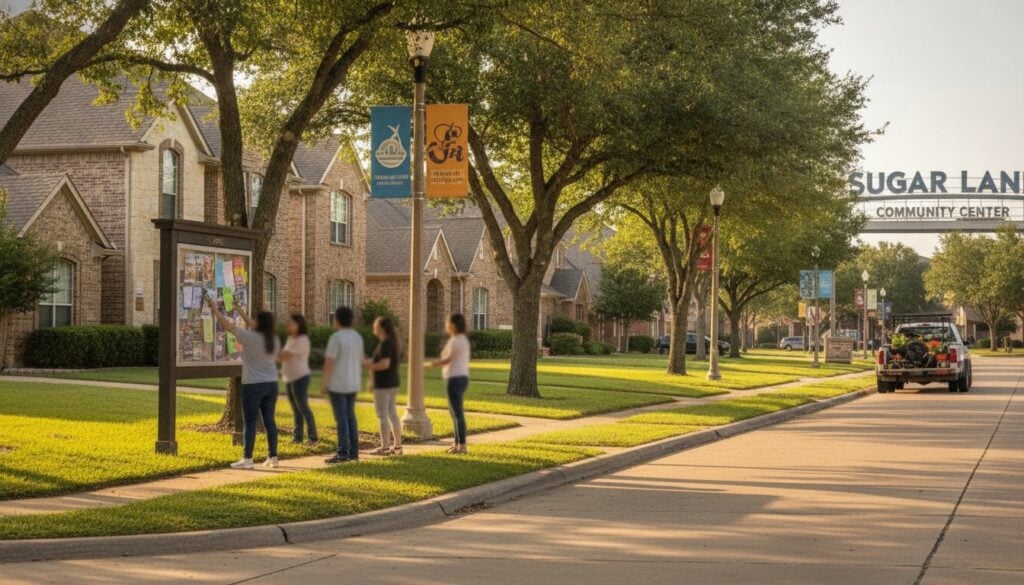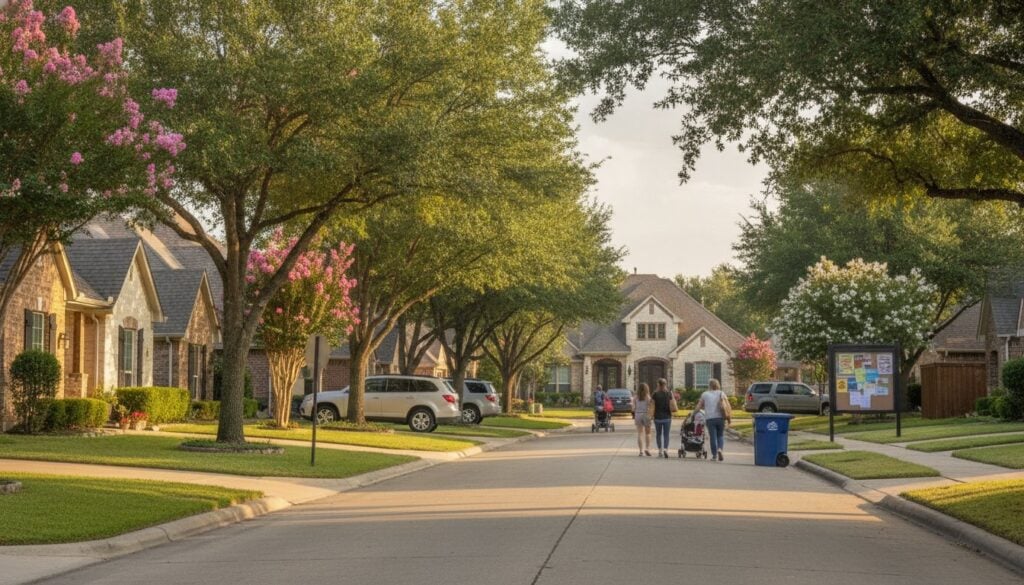
The Spring, Texas housing market is finding its rhythm after years of volatility. If you’ve been watching from the sidelines, waiting for the right moment to jump in, you’re probably noticing something different about 2026. The whiplash of previous years is giving way to something more predictable and, frankly, more manageable for both buyers and sellers.
Recent data from the Spring area shows 105 new listings hitting the market in a single week, up 29 from the previous week. That’s significant. We’re also seeing 47 properties sold in that same timeframe, with an average sold price around $288,900. These numbers tell us the market is active but not frenzied like it was a few years back.
Current Market Conditions and Key Statistics

The Spring Texas homes market is experiencing what many experts are calling stabilization. Inventory levels have improved compared to the shortage we saw in 2021 and 2022, though we’re not exactly drowning in options either. The 77386 corridor, in particular, has seen more homes hitting the market compared to prior years.
What’s interesting is that demand continues to outpace supply in premium communities. Homes that are updated, staged well, and priced appropriately are still attracting strong interest, particularly in desirable neighborhoods. But the days of bidding wars on every property? Those seem to be behind us for most price ranges.
Economic Factors Influencing the Spring Market
Interest rates remain a major player in how the market behaves. While they’re not at the historic lows of 2020-2021, they’ve stabilized enough that buyers can actually plan around them. Texas continues to benefit from strong employment growth and population trends that favor the greater Houston area.
The lack of state income tax keeps drawing people to Texas, and Spring’s position in the Houston metro makes it particularly attractive. You’re close enough to major employment centers without paying the premium prices you’d see in some neighboring areas. That economic positioning matters when you’re thinking about long-term value.
Spring vs. Greater Houston: Market Positioning
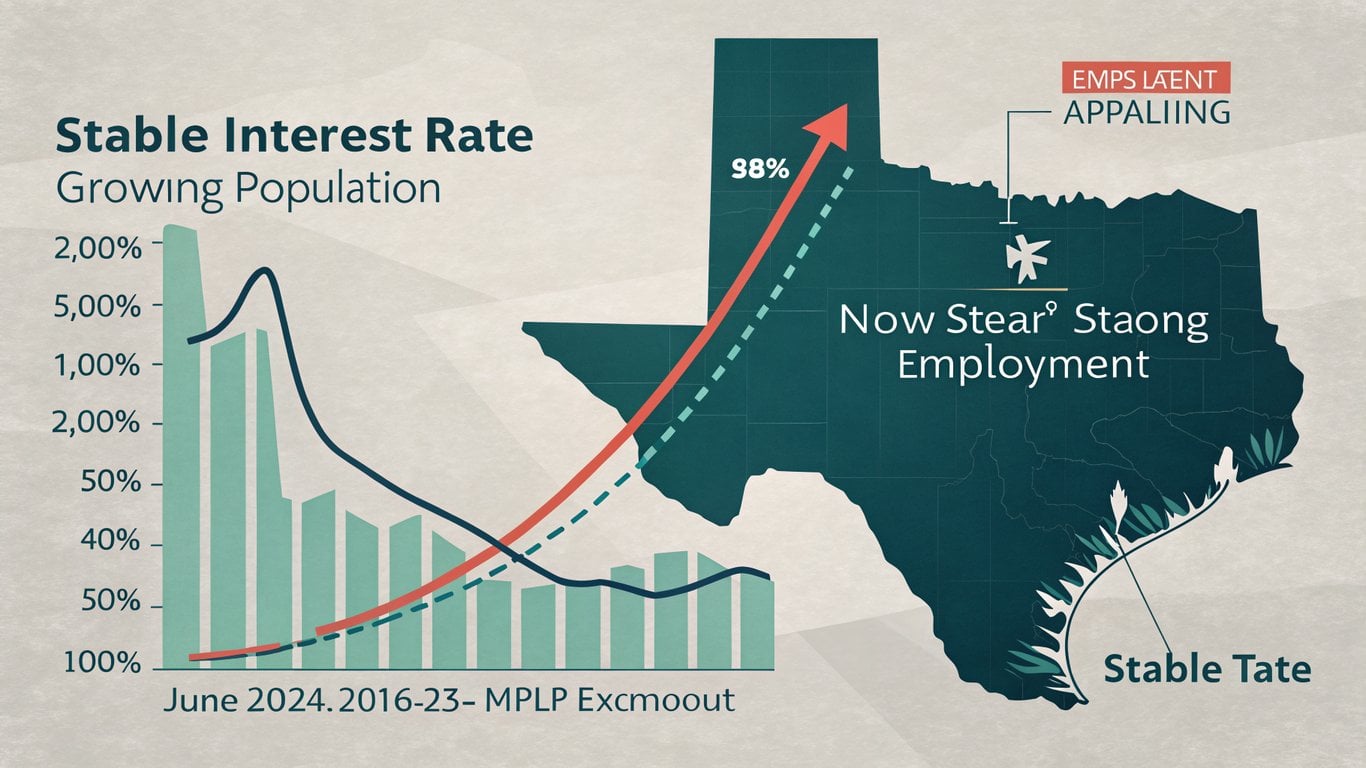
Spring occupies an interesting middle ground in the greater Houston market. You’re not paying The Woodlands prices, but you’re getting many of the same amenities and school quality. Compared to Tomball and Cypress, Spring offers competitive pricing with excellent access to major highways.
The value proposition here is real. You can find quality homes in established neighborhoods without the premium that comes with some of the newer master-planned communities in surrounding areas. That doesn’t mean Spring is cheap, it just means you’re getting more house for your money in many cases.
Comprehensive Neighborhood Guide: Where to Buy in Spring, TX
Not all Spring neighborhoods are created equal, and understanding the differences can save you thousands of dollars or help you find exactly what you’re looking for. The area has distinct pockets that cater to different lifestyles, budgets, and priorities.
Premium Neighborhoods ($400K-$800K+)

Augusta Pines and Gleannloch Farms represent the upper tier of Spring real estate. These communities typically feature larger lots, updated amenities, and access to highly-rated schools in the Klein ISD. You’ll find homes with premium finishes, community pools, golf courses, and well-maintained common areas.
The Klein area neighborhoods command premium prices for good reason. The school district consistently ranks among the best in the Houston metro, and that reputation translates directly into property values. If you’re buying in this range, you’re probably looking at 3,000+ square feet, recent construction or major updates, and neighborhoods where HOAs actually maintain standards.
Mid-Range Family Neighborhoods ($250K-$400K)
This is where most Spring Texas homes transactions happen. Cypresswood, Northgate Forest, and Spring Forest offer established communities with mature trees, good schools, and reasonable commutes. These neighborhoods were built mostly in the 1990s and early 2000s, so you’re getting solid construction without paying new-build premiums.
The sweet spot here is typically 2,000-2,800 square feet, 3-4 bedrooms, and 2-car garages. Many homes have been updated by previous owners, but you’ll also find opportunities to add value through strategic renovations. HOA fees tend to be moderate, and you’re getting access to community amenities without breaking the bank.
Starter Home and Investment Areas ($150K-$250K)
Older Spring communities in this price range offer real opportunities for first-time buyers and investors. You’re typically looking at homes built in the 1970s and 1980s, which means they need work but also have good bones and established neighborhoods.
The rental market in Spring is strong enough that investment properties in this range can generate positive cash flow if you buy right. Just be realistic about renovation costs and the time it takes to bring these properties up to modern standards.
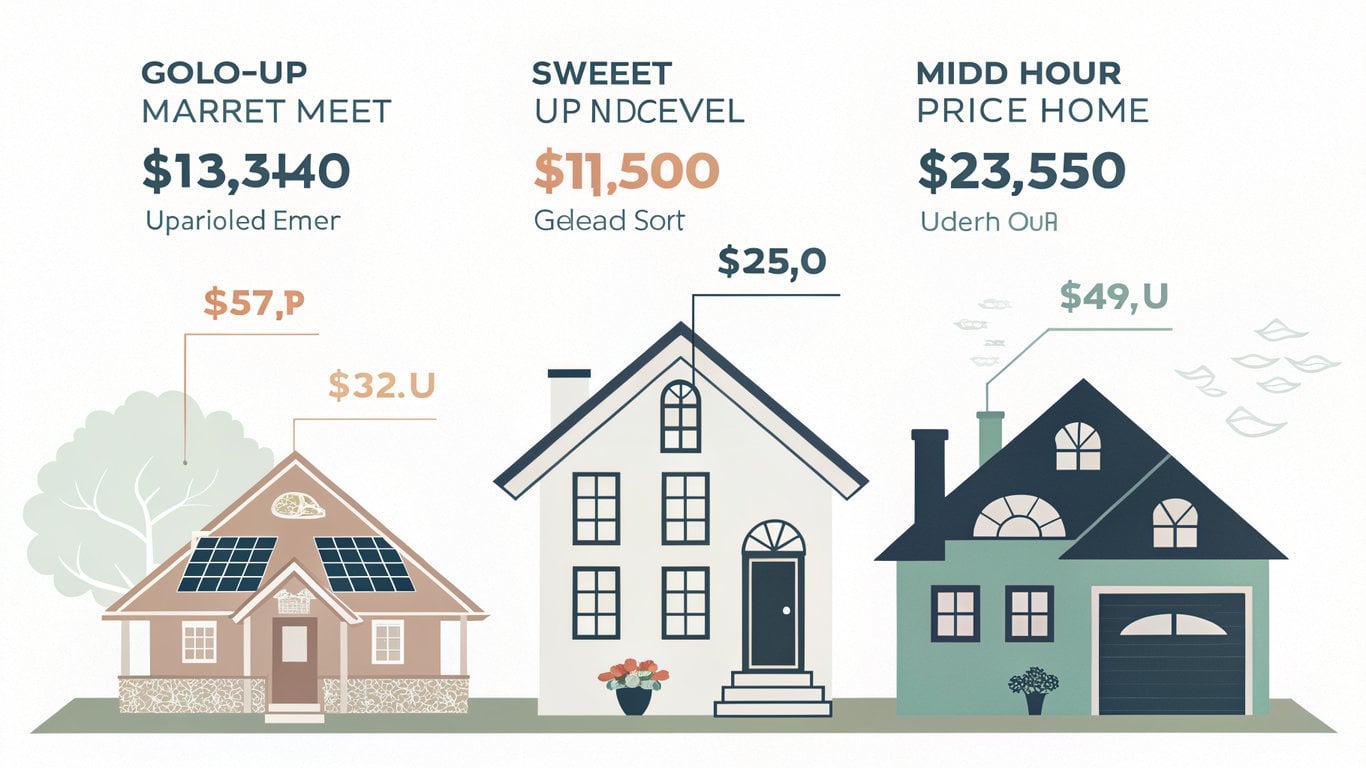
What to Expect at Every Price Point: Spring Texas Homes Breakdown
Understanding what you actually get at different price points helps set realistic expectations. The Spring market has distinct tiers, and knowing where you fit can save you from wasting time looking at homes that don’t match your needs or budget.
Under $200K: Entry-Level Market
Let’s be honest: under $200K in Spring means you’re looking at older homes that need attention. These are typically 1,200-1,600 square feet, built before 1990, and located in the older parts of Spring. You’ll probably need to budget for updates to kitchens, bathrooms, and possibly HVAC systems.
Competition at this price point can be fierce because you’re competing with investors who can pay cash. If you’re a first-time buyer, having your financing locked down and being ready to move quickly matters. These homes don’t sit on the market long if they’re priced right.
$200K-$300K: The Sweet Spot
This is the most active segment of the Spring market. You’re looking at move-in ready homes in established neighborhoods, typically 1,800-2,400 square feet. Many have been updated within the last 10 years, and you’re getting access to decent schools and amenities.
The challenge here is that everyone wants these homes. You’re competing with other families who’ve done the same math and realized this price range offers the best value. Being pre-approved, flexible on closing dates, and willing to make strong offers matters in this segment.
$300K-$450K: Move-Up Market
Now you’re getting into homes with upgraded features, larger lots, and access to top-rated schools. Expect 2,500-3,500 square feet, recent updates or new construction, and neighborhoods with strong HOAs that maintain property values.
This tier typically includes homes in Klein ISD or the better parts of Spring ISD. You’ll see granite countertops, updated appliances, and outdoor living spaces as standard features. The competition is less intense than the $200K-$300K range, but you’re still dealing with motivated buyers who know what they want.
Buyer Tactics: How to Win in the Spring, TX Market
Buying a home in Spring requires more than just showing up with a pre-approval letter. The market has its own rhythm, and understanding local dynamics gives you a real advantage over buyers who treat this like any other transaction.
Pre-Purchase Preparation: Getting Market-Ready
Your credit score matters more than you think. Even a 20-point difference can affect your interest rate, which translates to thousands over the life of your loan. Get your credit report, fix any errors, and pay down high-balance credit cards before you start seriously shopping.
Pre-approval isn’t the same as pre-qualification. Work with a local lender who understands the Spring market and can close on time. Sellers take you more seriously when your financing is solid, and you’ll know exactly what you can afford before you fall in love with a house that’s out of reach.
Making Competitive Offers in 2026
The days of offering 20% over asking are mostly gone, but that doesn’t mean you can lowball every property. Well-priced homes in desirable neighborhoods still get multiple offers. Your strategy should match the specific property and neighborhood you’re targeting.
Sellers care about more than just price. A clean offer with minimal contingencies, flexible closing dates, and proof of strong financing can beat a slightly higher offer that’s loaded with conditions. Talk to your agent about what matters to the specific seller you’re dealing with.
Special Situations: Divorce, Probate, and Foreclosure Properties
These situations create opportunities for buyers who understand the process. Divorce sales often involve motivated sellers who need to close quickly and split proceeds. Probate properties can sit on the market longer because the legal process takes time, which sometimes means better negotiating leverage.
Foreclosures and pre-foreclosures require patience and understanding of the legal timeline. You’re often dealing with banks or distressed sellers who have limited flexibility on terms but may be realistic on price. Work with an agent who has experience in these transactions because the process is different from standard sales.
Seller Tactics: Maximizing Your Home’s Value in Spring, TX
Selling in Spring’s current market requires strategy. You can’t just stick a sign in the yard and expect top dollar anymore, but you also don’t need to panic and underprice your home. The key is understanding what buyers in your price range actually want.
Timing Your Sale: When to List in Spring
Spring and early summer remain the strongest selling seasons in the area. Families want to move before the school year starts, and the weather is good for showings. But that also means more competition from other sellers.
Listing in late winter can give you an advantage. There’s less inventory, and serious buyers are actively looking. You might get fewer showings, but the buyers you do get are typically more motivated and qualified.
Pricing Strategy: Getting It Right from Day One
Overpricing is the biggest mistake sellers make. You might think you’re leaving room to negotiate, but what you’re actually doing is letting your home sit on the market while buyers look at better-priced alternatives. The first two weeks matter most.
Look at recent sales in your specific neighborhood, not just Spring in general. A home in Klein ISD sells differently than one in Spring ISD. Your agent should provide a detailed comparative market analysis based on truly comparable properties, not just similar square footage.
Selling in Special Circumstances
Divorce sales require clear communication between all parties and often benefit from neutral third-party representation. The goal is typically a quick, fair sale that allows both parties to move forward. Pricing aggressively and being flexible on terms usually serves everyone better than trying to squeeze out every last dollar.
Probate sales have their own timeline and legal requirements. Work with an agent who understands the probate process and can navigate the court approval requirements. These sales often take longer, but they can still achieve fair market value with the right approach.
Financial Considerations: Costs, Taxes, and Investment Analysis
The financial side of buying or selling in Spring goes beyond the purchase price. Texas has its own quirks when it comes to property taxes and closing costs, and understanding these details helps you budget accurately.
Understanding Spring Property Taxes
Property taxes in Texas are higher than many states because there’s no state income tax. The revenue has to come from somewhere. Spring properties fall under different taxing entities depending on your specific location, which means tax rates can vary significantly between neighborhoods.
The homestead exemption reduces your taxable value, but you need to file for it. Many new homeowners forget this step and end up paying more than necessary. Your tax bill will include school district taxes, county taxes, and possibly MUD (Municipal Utility District) taxes depending on your location.
Closing Costs Breakdown for Buyers and Sellers
Buyers in Texas typically pay for their loan origination fees, appraisal, inspection, and title insurance for the lender. You’re looking at roughly 2-5% of the purchase price in closing costs, though this varies based on your loan type and negotiated terms.
Sellers pay the real estate commission (typically 5-6% split between both agents), title policy for the buyer, and any agreed-upon repairs or credits. You might also pay for a home warranty or contribute to the buyer’s closing costs as part of negotiations. Budget for 7-10% of the sale price in total selling costs.
Local Resources and Expert Guidance
Success in the Spring real estate market often comes down to working with the right professionals and understanding the local resources available to you. This isn’t a market where you want to wing it or rely solely on online research.
Choosing the Right Real Estate Professional
A good Spring-area agent knows the difference between neighborhoods, understands local pricing trends, and has relationships with other agents that can give you an edge. Ask potential agents how many transactions they’ve closed in Spring specifically, not just the greater Houston area.
Red flags include agents who promise unrealistic sale prices, push you to make decisions before you’re ready, or don’t communicate clearly about the process. You want someone who’ll tell you the truth even when it’s not what you want to hear.
School District Guide and Resources
Spring properties fall under three main school districts: Klein ISD, Spring ISD, and Conroe ISD. Klein consistently ranks highest in academic performance and property values reflect that premium. Spring ISD has some excellent schools but varies more by specific campus. Conroe ISD serves the northern parts of Spring and offers good value with solid academics.
School ratings directly impact property values. A home in Klein ISD might sell for 10-15% more than a comparable home in Spring ISD, all else being equal. If you have school-age children or plan to resell, this matters more than almost any other factor.
Your Next Steps: Action Plan
If you’re buying, start by getting your finances in order and understanding what you can actually afford. Then narrow down neighborhoods based on your priorities: schools, commute, amenities, or price. Work with a local agent who can show you the nuances between similar properties.
If you’re selling, get a realistic pricing analysis from multiple agents and invest in the improvements that actually matter to buyers in your price range. Stage your home, price it right, and be prepared to negotiate on terms beyond just price.
The Spring, Texas market in 2026 offers opportunities for both buyers and sellers who approach it strategically. It’s not the wild west of 2021, but it’s also not a buyer’s paradise. It’s a market where knowledge, preparation, and working with the right professionals make the difference between a good outcome and a great one.