
Selling a home is stressful enough without adding divorce to the mix. But if you’re going through a split in Texas, you’re dealing with a unique set of challenges that other states don’t have. The emotional weight of ending a marriage collides with major financial decisions, and suddenly you’re trying to agree on listing prices with someone you can barely talk to.
Texas handles property differently than most states. We’re one of only nine community property states, which means the rules for dividing assets during divorce follow a specific framework. This isn’t just legal trivia. It directly affects how you’ll split the proceeds from your home sale and what steps you need to take before you can even list the property.

Why Selling During Divorce Is Different in Texas
In Texas, most property acquired during marriage belongs to both spouses equally, regardless of whose name is on the title. Your home probably falls into this category. This means you can’t just decide to sell it on your own, even if you’re the only one on the mortgage or deed.
Courts typically require both spouses to agree to the sale or issue a court order authorizing it. You’ll need written consent or legal permission before a title company will process the transaction. This adds layers of complexity that regular home sales don’t have.
The emotional component makes everything harder. You’re negotiating with someone who might be angry, hurt, or vindictive. Decisions that should be straightforward become battlegrounds. One spouse might want to sell quickly while the other drags their feet. Someone might insist on an unrealistic price out of spite or attachment.
Timeline Considerations: When to Sell
Timing matters more than you’d think. Selling before filing for divorce gives you the most flexibility. You and your spouse can make decisions together without court involvement, and you might qualify for better tax treatment if you’re still married when the sale closes.
Selling during the divorce process is common but complicated. You’ll need court approval or a temporary agreement. The proceeds typically go into an escrow account until the divorce finalizes. This protects both parties but delays access to your money.
Waiting until after the divorce is finalized gives you clarity. The decree specifies exactly how to handle the home, whether that’s selling and splitting proceeds or one spouse buying out the other. But market conditions might change while you wait, and maintaining the property during a lengthy divorce gets expensive.
Texas Community Property Laws and Your Home
Understanding how Texas classifies property is crucial for divorce and selling a house in Texas. The state presumes that everything acquired during marriage is community property, owned equally by both spouses. This includes your home, even if only one name appears on the deed.
Community Property vs. Separate Property

Community property includes anything bought or earned during the marriage. If you purchased your home after saying “I do,” it’s probably community property. The equity you’ve built, any appreciation in value, and mortgage payments made during marriage all belong to the marital estate.
Separate property is different. This includes property owned before marriage, inheritances received by one spouse, and gifts given specifically to one person. If you owned your house before getting married, it might be separate property. But here’s where it gets tricky: if you used marital funds to pay the mortgage or make improvements, your spouse might have a claim to some of the equity.
Proving separate property requires documentation. You’ll need the original deed, bank statements showing separate funds, or inheritance paperwork. Without clear evidence, Texas courts presume property is community owned.
How Courts Divide Home Equity in Texas
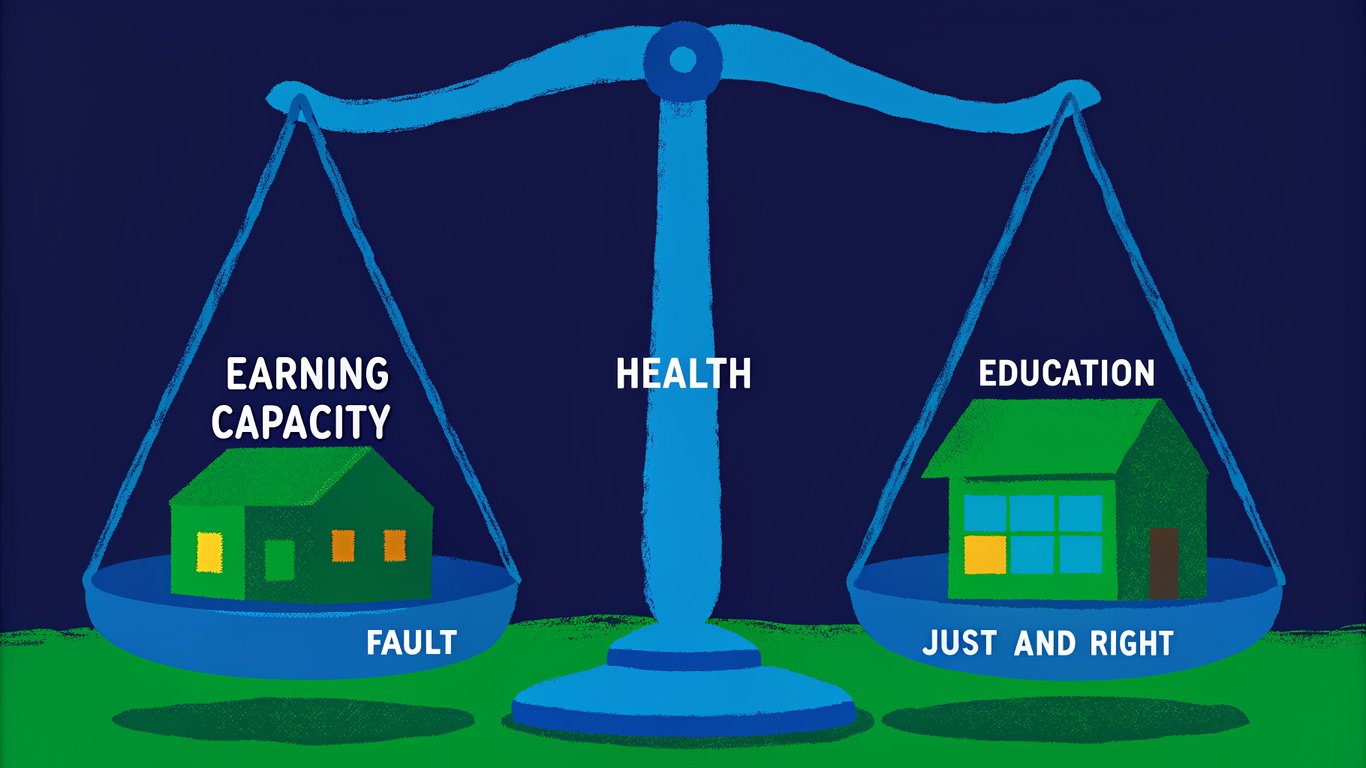
Texas uses a “just and right” division standard. This doesn’t automatically mean 50/50. Judges consider multiple factors when dividing property, including each spouse’s earning capacity, education, health, and fault in the divorce.
If one spouse committed adultery or cruelty, the court might award more property to the other spouse. Economic disparities matter too. If one person sacrificed their career to raise children while the other advanced professionally, the court might compensate for that imbalance.
The length of your marriage influences division. Longer marriages typically result in more equal splits, while shorter marriages might see adjustments based on what each person brought into the marriage.
Special Considerations for Homes with Mixed Ownership
Mixed ownership situations create headaches. Say you bought your home before marriage but used marital income to pay the mortgage. Your spouse might be entitled to a portion of the equity created during the marriage, even though the home started as your separate property.
If you used inheritance money for a down payment but took out a mortgage paid with marital funds, you’ve got a hybrid situation. Courts will calculate what portion of the equity came from separate funds versus community contributions.
Improvements and renovations complicate things further. If you used marital money to remodel the kitchen or add a pool, your spouse has a claim to the increased value those improvements created.
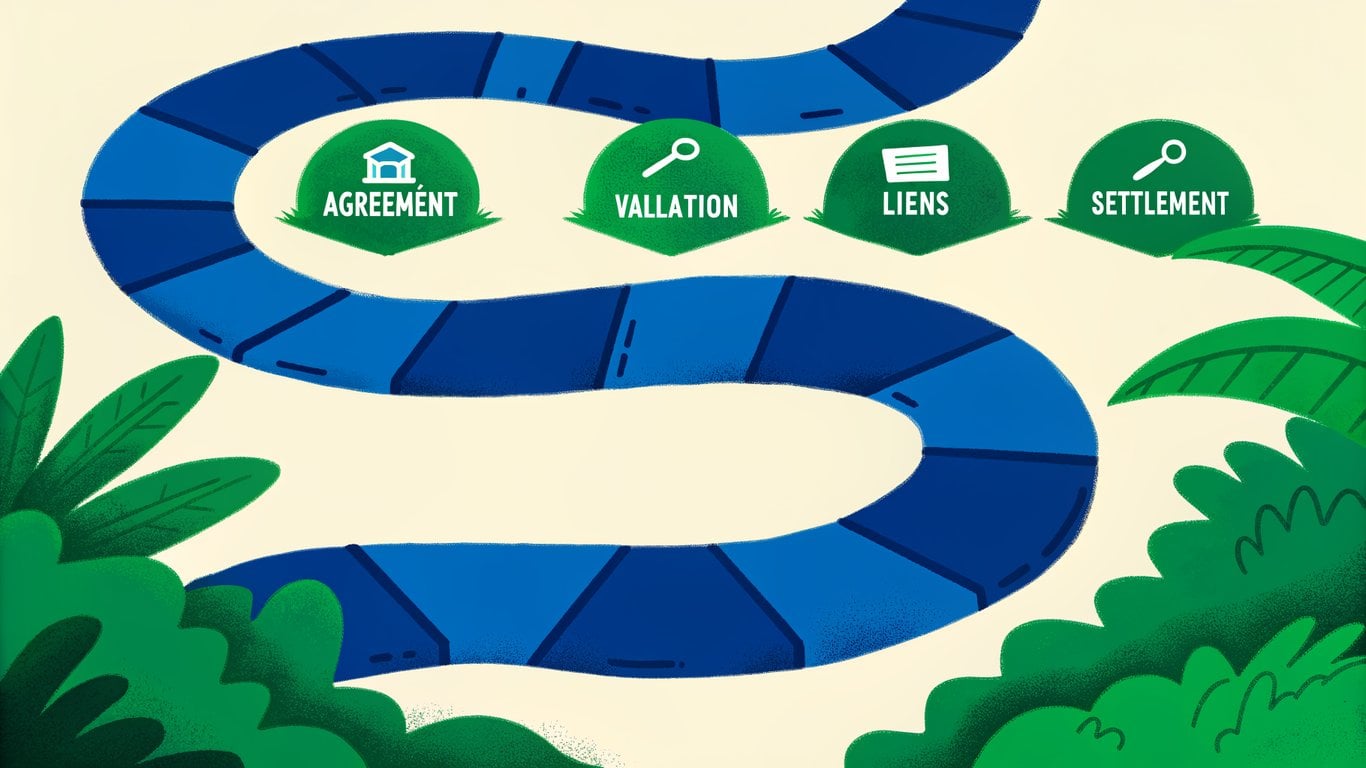
Legal Steps for Selling Your Home During Divorce in Texas
Selling a home during divorce requires following specific legal procedures. Skip a step and you could face serious consequences, including the sale being voided or one spouse being held in contempt of court.
Step 1: Obtain Court Permission or Agreement
You can’t sell community property without both spouses agreeing or a court order authorizing the sale. If you’re on good terms, draft a written agreement specifying the sale terms, minimum acceptable price, and how you’ll split proceeds. Both parties should sign it, and having it notarized adds protection.
If you can’t agree, you’ll need to petition the court. Your attorney will file a motion requesting permission to sell. The judge will consider whether selling serves both parties’ interests and might set conditions like a minimum sale price or require proceeds to be held in escrow.
Watch out for temporary restraining orders. Many Texas divorces include automatic TROs that prevent either spouse from selling, transferring, or disposing of property without consent or court approval. Violating a TRO can result in contempt charges.
Step 2: Get a Professional Home Valuation
Accurate valuation prevents disputes and ensures fair division. Hire a licensed appraiser who has no connection to either spouse. Both parties should agree on the appraiser selection, or each can hire their own and average the results.
The appraisal establishes your home’s fair market value, which becomes the baseline for negotiations. It also helps set a realistic listing price and provides documentation for the court if needed.
Don’t rely solely on online estimates or real estate agent opinions for legal purposes. Courts prefer formal appraisals from certified professionals who follow standardized methodology.
Step 3: Determine Outstanding Liens and Debts
Before you can calculate how much money you’ll walk away with, you need to know what you owe. Request a payoff statement from your mortgage lender showing the exact balance. This number changes daily due to interest, so get it close to your expected closing date.
Check for other liens against the property. Home equity loans, tax liens, mechanic’s liens, and judgment liens all reduce your net proceeds. Order a title search to uncover any surprises.
Don’t forget about HOA dues, property taxes, and utility bills. These need to be current at closing. Outstanding amounts will be deducted from proceeds.
Step 4: Draft a Property Settlement Agreement
Put everything in writing. Your property settlement agreement should cover the listing price range, which real estate agent you’ll use, how you’ll handle offers and counteroffers, who pays for repairs and staging, and exactly how proceeds will be divided.
Include decision-making protocols. What happens if you disagree on an offer? Will you require both signatures for acceptance, or can one spouse make decisions with attorney approval? Spell out the process to avoid last-minute conflicts.
Address what happens if the home doesn’t sell within a certain timeframe. Will you reduce the price? Consider renting it out? These contingencies prevent future disputes.
Step 5: Navigate the Closing Process
Both spouses typically need to attend closing and sign documents, even if you’re not on speaking terms. The title company will require signatures from everyone with ownership interest. If one spouse absolutely can’t attend, you might arrange for a power of attorney, but this requires advance planning and court approval in some cases.
Proceeds distribution happens according to your agreement or court order. The title company will issue separate checks or wire transfers to each spouse based on the specified split. If there’s a dispute, funds might go into an escrow account until the court resolves it.
Make sure all liens are satisfied at closing. The title company handles this, but verify that mortgage payoffs and other debts are properly cleared so you don’t face future liability.
Dividing Sale Proceeds: Methods and Considerations
How you split the money from your home sale depends on multiple factors. Texas law provides flexibility, but that flexibility can lead to disagreements if you’re not prepared.
50/50 Split: When and How It Works
Equal division is the most straightforward approach. After paying off the mortgage, liens, closing costs, and real estate commissions, you split what’s left down the middle. This works well when both spouses contributed equally to the marriage and there are no complicating factors like fault or economic disparity.
Calculate net proceeds carefully. If your home sells for $400,000, you owe $250,000 on the mortgage, and closing costs plus commissions total $30,000, your net proceeds are $120,000. Each spouse would receive $60,000 in a 50/50 split.
Unequal Division: Factors That Justify Different Splits
Courts might award more than half to one spouse based on several factors. If one person committed adultery or domestic violence, the innocent spouse might receive a larger share. Economic circumstances matter too. If one spouse has significantly lower earning potential or health issues, the court might compensate through property division.
Contributions to the marriage beyond financial ones count. If one spouse sacrificed career advancement to raise children or support the other’s education, this might justify a larger share of the home equity.
Separate property claims also affect division. If one spouse can prove they contributed separate funds to the down payment or improvements, they might receive credit for that contribution before splitting the remaining equity.
Buyout Options: When One Spouse Keeps the Home
Sometimes selling doesn’t make sense. If one spouse wants to keep the home, they can buy out the other’s interest. This requires refinancing the mortgage in one person’s name and paying the other spouse their share of the equity.
Calculate the buyout amount by determining current market value, subtracting outstanding mortgage balance, and dividing the equity according to your agreement. If your home is worth $400,000 with a $250,000 mortgage, the equity is $150,000. In a 50/50 split, the buying spouse would pay the other $75,000.
The buying spouse needs to qualify for a new mortgage on their own. Lenders will evaluate their income, credit, and debt-to-income ratio without considering the other spouse’s finances. This can be challenging if one person doesn’t have sufficient income.
Handling Sale Expenses and Improvements
Who pays for what? Real estate commissions and closing costs typically come off the top before dividing proceeds. But what about repairs the inspector requires or staging costs to make the home more marketable?
Your agreement should specify how you’ll handle these expenses. Some couples split them equally. Others agree that whoever is living in the home pays for maintenance and repairs. If one spouse insists on expensive staging or improvements the other thinks are unnecessary, you’ll need a process for resolving those disagreements.
Keep detailed records of all expenses related to the sale. Save receipts for repairs, staging, cleaning, and any other costs. This documentation prevents disputes when it’s time to calculate net proceeds.
Working Effectively with Your Real Estate Agent
Your real estate agent becomes a crucial mediator during divorce and selling a house in Texas. The right agent can smooth the process, while the wrong one can make conflicts worse.
Choosing a Divorce-Savvy Agent
Look for agents with specific experience in divorce sales. They understand the emotional dynamics and legal requirements. They know how to communicate with both parties without taking sides and can navigate situations where spouses aren’t speaking to each other.
Ask potential agents about their experience with divorce sales. How many have they handled? Can they provide references from divorced clients? Do they have relationships with divorce attorneys and mediators?
The agent needs to remain neutral. They work for both of you, not one spouse against the other. If they seem to favor one party or get pulled into your conflicts, find someone else.
Establishing Communication Protocols
Set up clear communication channels from the start. Will the agent send updates to both spouses separately? Use a group email? Schedule joint calls? Decide what works for your situation and stick to it.
Some couples benefit from having all communication go through attorneys. This adds cost but prevents direct conflict. Others can handle joint emails or calls with the agent present as a buffer.
Establish response timeframes. If the agent sends an offer, how long does each spouse have to respond? Quick decisions are important in real estate, but you need enough time to consult with your attorney.
Making Joint Decisions on Pricing and Offers
Pricing disputes are common. One spouse wants to sell quickly and price aggressively, while the other insists on a higher price. Your agent should provide a comparative market analysis showing what similar homes have sold for recently. Use this data to make objective decisions rather than emotional ones.
When offers come in, you’ll need a process for evaluation. Will you require both spouses to approve before accepting? What if one wants to accept and the other wants to counter? Your property settlement agreement should address these scenarios.
Consider setting a minimum acceptable price in advance. If an offer meets or exceeds that number, you’re both committed to accepting. This prevents one spouse from blocking reasonable offers out of spite.
Preparing the Home for Sale Together
Getting the home ready for showings requires coordination. If one spouse has moved out, who handles cleaning and maintenance? Who lets in the photographer or stager? These logistics need clear assignment.
Decluttering and depersonalizing can be emotionally difficult. You’re removing family photos and personal items that represent your life together. But buyers need to envision themselves in the space, not see your history.
Showings present challenges if one spouse still lives in the home. They’ll need to keep it clean and be willing to leave for showings. If both spouses are still living there, the awkwardness multiplies. Your agent can help manage the schedule to minimize conflict.
Coordinating with Your Divorce Attorney
Your divorce attorney and real estate agent need to work together. The attorney protects your legal interests while the agent handles the sale. Coordination between them prevents mistakes that could cost you money or derail your divorce.
When to Involve Your Attorney in the Sale Process
Your attorney should review the listing agreement before you sign it. They’ll make sure it aligns with your property settlement agreement and doesn’t create conflicts with your divorce proceedings.
When offers come in, have your attorney review the purchase agreement. They’ll check for clauses that might affect proceeds distribution or create liability issues. They’ll also ensure the closing timeline works with your divorce schedule.
If disputes arise during the sale process, your attorney can intervene. Whether it’s disagreement over repairs, pricing, or proceeds distribution, legal counsel helps resolve conflicts before they derail the sale.
Protecting Your Interests in the Purchase Agreement
The purchase agreement should specify how proceeds will be distributed. Include language directing the title company to issue separate checks or wire transfers according to your agreement. This prevents one spouse from receiving all the money and refusing to share it.
Watch for contingencies that could give the buyer an easy exit. While some contingencies are standard, excessive ones increase the risk of the deal falling through. Your attorney can advise on which contingencies are reasonable.
Make sure both spouses are protected if the sale falls through. What happens to earnest money? Who’s responsible for continuing mortgage payments? These details matter.
Ensuring Sale Terms Align with Divorce Decree
Timing coordination is crucial. If your divorce decree specifies that the home must be sold within a certain timeframe, make sure your real estate timeline aligns. Missing court-ordered deadlines can result in contempt charges.
The decree might include specific terms about the sale, such as minimum price, how to handle offers, or proceeds distribution. Your purchase agreement and closing documents need to match these terms exactly.
If the divorce finalizes before the home sells, the decree becomes the controlling document. Make sure your real estate agent and title company have copies so they can execute the sale according to court orders.
Tax Implications and Legal Strategies
Capital gains tax can take a significant bite out of your proceeds if you’re not careful. The IRS allows married couples filing jointly to exclude up to $500,000 in capital gains from the sale of a primary residence. Single filers get a $250,000 exclusion.
To qualify, you must have owned and lived in the home for at least two of the five years before the sale. If you’re still married when the home sells, you might benefit from the larger exclusion by filing jointly for that tax year, even if you’re divorcing.
Timing the sale relative to your divorce finalization can affect your tax situation. Your attorney and accountant should coordinate to minimize your tax burden. Sometimes waiting a few months to close can save thousands in taxes.
Common Pitfalls and How to Avoid Them
Divorce and selling a house in Texas creates numerous opportunities for mistakes. Being aware of common pitfalls helps you avoid them.
Pitfall #1: Selling Without Legal Authorization
Never list or sell your home without proper authorization. If you’re subject to a temporary restraining order or haven’t obtained your spouse’s written consent, selling the property violates court orders. This can result in contempt charges, fines, or even jail time.
The sale might be voided if completed without proper authority. You could face liability for damages, including the buyer’s expenses and your spouse’s attorney fees. Get everything in writing before proceeding.
Pitfall #2: Emotional Decision-Making on Price
Emotions sabotage rational pricing decisions. One spouse might overprice the home because they’re attached to it or want to punish the other by making the sale difficult. The other might underprice it to sell quickly and move on, leaving money on the table.
Rely on objective data. Your agent’s comparative market analysis shows what buyers are actually paying for similar homes. Price accordingly, even if it’s not what you hoped for or feels too low emotionally.
Pitfall #3: Poor Communication Leading to Deal Collapse
Deals fall apart when spouses can’t communicate effectively. An offer comes in, one spouse wants to accept, the other doesn’t respond for days, and the buyer moves on. Or one spouse agrees to repairs without consulting the other, leading to disputes that kill the deal.
Establish clear communication protocols and response timeframes. Use your agent or attorneys as intermediaries if direct communication is too difficult. Commit to responding to time-sensitive matters within 24 hours.
Pitfall #4: Neglecting Tax Consequences
Tax planning often gets overlooked in the chaos of divorce. You might miss out on the capital gains exclusion by poor timing or incorrect filing status. Or you might not realize that one spouse receiving the home in the divorce could face tax liability later when they sell.
Consult with a tax professional before finalizing your property settlement. They can model different scenarios and help you structure the sale to minimize taxes for both parties.
Pitfall #5: Failing to Document Agreements
Verbal agreements mean nothing when disputes arise. You think you agreed on a 50/50 split, but your spouse remembers it differently. You thought they’d pay for repairs, but they claim you agreed to split costs.
Put everything in writing. Email confirmations work for minor decisions. Major agreements need formal documentation signed by both parties. Your attorney can draft amendments to your property settlement agreement as needed.
Pitfall #6: Ignoring Market Conditions
Divorce creates urgency, but market conditions don’t care about your timeline. Listing in winter when inventory is high and buyers are scarce might mean accepting a lower price. Rushing to sell in a declining market costs money.
Balance urgency with market realities. If waiting a few months means significantly more money, consider whether that’s worth the delay. Your agent can provide data on seasonal trends and market conditions to inform your decision.
Moving Forward with Confidence
Selling your home during divorce ranks among life’s most stressful experiences. You’re dealing with emotional trauma while making major financial decisions and navigating complex legal requirements. But thousands of Texas couples successfully complete this process every year.
The key is preparation and professional guidance. Understand Texas community property laws and how they affect your situation. Follow the legal steps carefully, document everything, and work with experienced professionals who understand divorce sales.
Communication matters more than you’d think. Even if you can barely stand to be in the same room, you need to make joint decisions about your home. Use your agent and attorney as buffers when necessary, but commit to responding promptly to time-sensitive matters.
Your Action Plan for Selling During Divorce
- Consult with a divorce attorney before listing your home
- Obtain written agreement from your spouse or court authorization to sell
- Hire a licensed appraiser to determine fair market value
- Order a title search to identify all liens and encumbrances
- Select a real estate agent experienced in divorce sales
- Draft a comprehensive property settlement agreement covering all sale terms
- Establish clear communication protocols with your spouse and agent
- Get attorney review of listing agreement and purchase contracts
- Consult with a tax professional about timing and filing strategies
- Document all agreements and decisions in writing
- Keep detailed records of all sale-related expenses
- Coordinate closing timeline with divorce proceedings
Resources for Texas Homeowners
Several organizations provide support for Texans navigating divorce and property sales. The State Bar of Texas offers attorney referral services and legal resources. Local family law sections often provide educational materials about property division.
The Texas Real Estate Commission regulates real estate agents and provides consumer protection resources. If you have concerns about your agent’s conduct, they handle complaints and enforcement.
Mediation services can help resolve disputes without court intervention. Many counties offer low-cost mediation programs through their dispute resolution centers. This can save money and reduce conflict compared to litigating every disagreement.
Remember that this process has an end point. The stress and conflict won’t last forever. Focus on protecting your financial interests, following legal requirements, and getting through the sale so you can move forward with your life.