
A short sale happens when you sell your home for less than what you owe on your mortgage. It’s not a quick fix, and it’s definitely not simple. But for Texas homeowners facing financial hardship, it can be a better option than foreclosure.
The key difference? Your lender has to agree to accept less than the full loan balance. They’re essentially taking a loss on your loan, which is why the process involves so much paperwork and waiting.
What Exactly is a Short Sale?
When you’re underwater on your mortgage (meaning you owe more than your home is worth) and can’t keep making payments, a short sale lets you sell the property with your lender’s permission. The bank agrees to accept the sale proceeds as settlement for your loan, even though it won’t cover the full amount you borrowed.
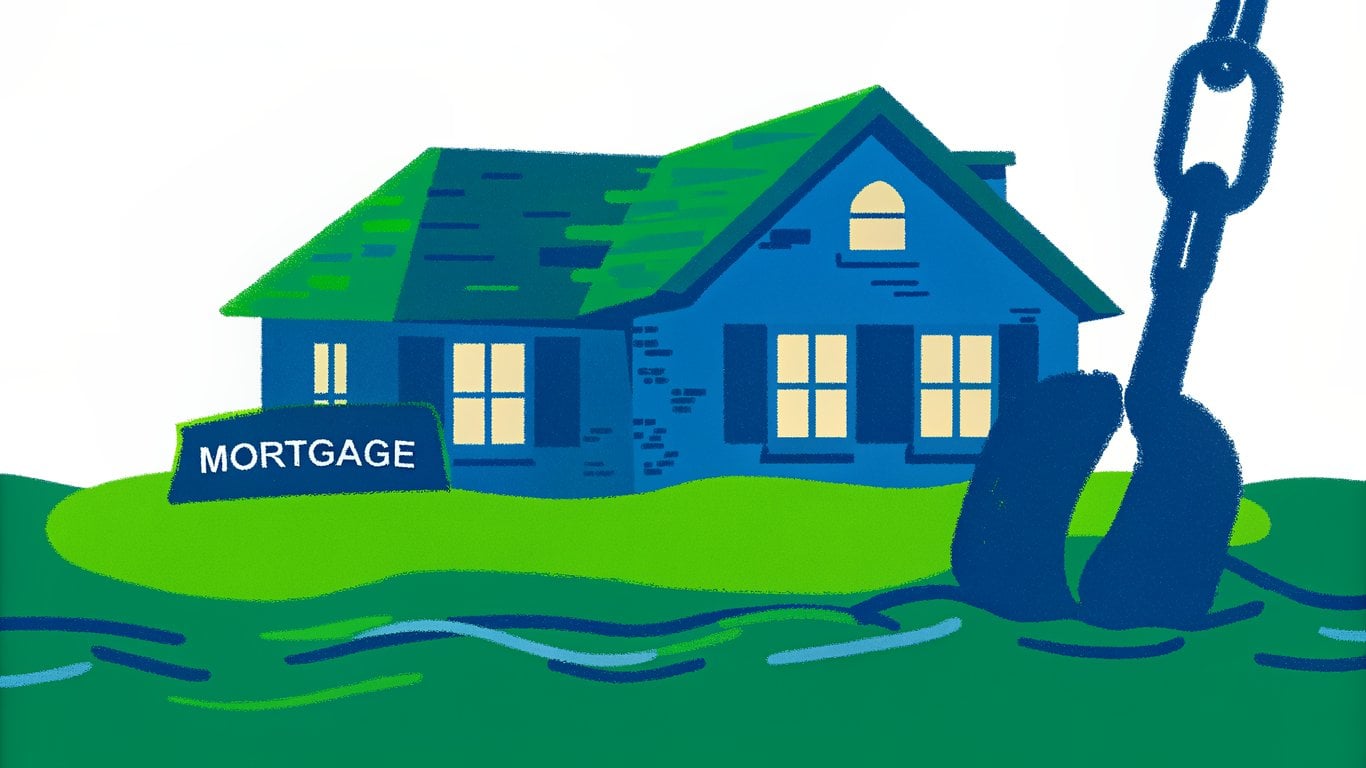
This isn’t something you can just decide to do on your own. Your lender controls whether a short sale happens. They’ll review your financial situation, evaluate the property’s value, and decide if accepting less money now makes more sense than going through foreclosure.
Short Sale vs. Foreclosure vs. Traditional Sale
These three options look similar on the surface, but they have very different consequences for your financial future.
| Option | Credit Impact | Timeline | Control |
|---|---|---|---|
| Short Sale | 85-160 point drop typically | 3-6 months average | You initiate and manage process |
| Foreclosure | 200-300 point drop typically | Several months to over a year | Lender controls everything |
| Traditional Sale | No negative impact | 1-3 months typically | Full control of sale |

The credit score numbers aren’t exact science. Your actual drop depends on your starting score and overall credit profile. But foreclosure consistently hits harder and stays on your credit report the same length of time as a short sale (seven years).
When Does a Short Sale Make Sense?
Short sales aren’t for everyone. They make sense when you’re facing genuine financial hardship and can’t afford your mortgage anymore. Common situations include:
- Job loss or significant income reduction that makes payments impossible
- Major medical expenses that drained your savings
- Divorce where neither party can afford the home alone
- Underwater mortgage where you owe substantially more than the home’s worth
- Relocation for work when you can’t afford to keep paying the mortgage from afar
You typically need to be behind on payments or about to fall behind. Most lenders won’t consider a short sale if you’re current on your mortgage, though some will if you can prove imminent hardship.
Texas-Specific Short Sale Considerations
Texas has some unique property laws that affect how short sales work. The state uses a non-judicial foreclosure process, which means lenders can foreclose without going to court. This makes the foreclosure timeline faster than in many other states, sometimes giving you less time to complete a short sale.
Texas also has strong homestead protections. If your property qualifies as your homestead, these protections can limit what creditors can do to collect deficiency balances after a short sale. But this doesn’t automatically mean you won’t owe anything. You’ll need to negotiate a deficiency waiver with your lender to avoid future liability.
The Short Sale Process Explained: Step-by-Step Timeline
The short sale process explained isn’t straightforward. It involves multiple parties, tons of paperwork, and a lot of waiting. Here’s what actually happens from start to finish.
Step 1: Determining Eligibility and Financial Hardship
Before contacting your lender, gather documentation that proves your financial hardship. You’ll need recent pay stubs, bank statements, tax returns, and a detailed list of your monthly expenses. If you’ve had a major life event like job loss or medical emergency, collect documentation for that too.
Write a hardship letter explaining your situation. Be honest and specific. Lenders see thousands of these letters, so generic explanations won’t help your case.
Step 2: Contacting Your Lender and Getting Pre-Approval
Call your lender’s loss mitigation department. Don’t wait until you’re months behind on payments. The earlier you start this conversation, the more options you’ll have. Ask specifically about their short sale program and what documentation they require.
Some lenders will give you preliminary approval to pursue a short sale before you even list the property. Others want to see an actual offer first. Find out which approach your lender prefers.
Step 3: Hiring a Short Sale-Experienced Real Estate Agent
Not every real estate agent knows how to handle short sales. You need someone who’s done multiple short sale transactions and understands lender negotiations. Ask potential agents how many short sales they’ve closed in the past year and what their approval rate is.
A good short sale agent will handle communication with your lender, prepare the required paperwork, and manage buyer expectations during the long approval process.
Step 4: Listing and Marketing Your Property
Your home gets listed like any other property, but with specific disclosures that it’s a short sale. Pricing is tricky. Price too high and you won’t get offers. Price too low and the lender might reject offers as inadequate.
Most agents price short sales at or slightly below market value to attract serious buyers who understand they’ll need patience.
Step 5: Receiving and Submitting Offers to the Lender
When you receive an offer, your agent prepares a complete short sale package for the lender. This includes the purchase contract, buyer’s proof of funds or pre-approval letter, your financial documents, hardship letter, and a comparative market analysis showing the property’s value.
The package goes to the lender’s loss mitigation department, where it sits in a queue with hundreds of other files.
Step 6: Lender Review and BPO/Appraisal Process
This is where things slow down considerably. The lender orders a broker price opinion (BPO) or appraisal to verify the property’s value. They’re checking whether your offer is reasonable or if they should hold out for more money.
According to HAR.com, the lender evaluation process can take several weeks to a few months. During this time, you’ll probably hear very little. Your agent should contact the lender twice per week for updates, but responses are often slow.

Step 7: Closing the Short Sale
If the lender approves the sale, you’ll receive an approval letter outlining the terms. This might include conditions like requiring you to contribute money at closing or sign a promissory note for part of the deficiency.
Once approved, the closing happens like a traditional sale. The title transfers to the buyer, the lender receives the proceeds, and you’re released from the property. What happens to the remaining balance depends on what you negotiated.
Realistic Timeline Expectations in Texas
Plan on three to six months from listing to closing. Some short sales close faster, others take longer. Factors that affect timing include:
- How quickly your lender processes short sale requests
- Whether you have multiple liens on the property
- How complete your initial paperwork submission is
- Current workload at your lender’s loss mitigation department
- Whether the first offer gets approved or you need to find another buyer
What Sellers Should Expect During a Short Sale
The short sale process is frustrating. There’s no way around it. You’ll deal with long silences, confusing requests, and uncertainty about whether your sale will actually get approved.
Required Documentation and Paperwork
Lenders require extensive documentation. You’ll need to provide:
- Hardship letter explaining your financial situation
- Last two years of tax returns
- Recent pay stubs or proof of income
- Bank statements for all accounts (typically last two months)
- List of monthly expenses and debts
- Authorization form allowing the lender to discuss your loan with your agent
- Preliminary settlement statement showing expected closing costs
Keep copies of everything you submit. Lenders frequently lose documents or claim they never received them.
Living in Your Home During the Process
You can stay in your home throughout the short sale process. In fact, lenders prefer occupied homes because they’re better maintained. You’ll need to keep the property in showing condition and allow access for buyer tours and appraisals.
Continue maintaining the property. Neglected homes get lower appraisals, which can kill your deal.
Costs and Fees Involved
In most short sales, the lender pays the real estate commissions and standard closing costs from the sale proceeds. You typically won’t need to bring money to closing. However, some lenders require seller contributions as a condition of approval.
Your out-of-pocket expenses are usually minimal. You might pay for minor repairs or staging, but major costs get negotiated with the lender.
Common Roadblocks and How to Overcome Them
Unresponsive lenders are the biggest complaint. Your file sits in a queue, and getting updates feels impossible. The solution? Persistent, documented communication. Have your agent contact the lender twice weekly and keep records of every call.
Low buyer offers can derail the process. If the lender rejects an offer as too low, you’ll need to find another buyer or negotiate with the current buyer to increase their offer.
Lender Negotiations: Strategies and Best Practices
Getting your short sale approved requires understanding what lenders want and presenting your case effectively.
Understanding the Lender’s Perspective
Lenders approve short sales when it costs them less than foreclosure. Foreclosure involves legal fees, property maintenance, real estate commissions, and months of carrying costs. If your short sale offer nets them more money than foreclosure would, they’ll probably approve it.
They’re also looking at your financial situation. If you have significant assets or income, they might push for a higher offer or require you to contribute money at closing.
Negotiating Deficiency Waivers
A deficiency waiver means the lender agrees not to pursue you for the remaining loan balance after the short sale. This is critical. Without it, you could face a lawsuit for tens of thousands of dollars.
Texas law allows lenders to pursue deficiency judgments, though homestead protections provide some limits. Always negotiate for a full waiver and get it in writing before closing.
Dealing with Multiple Lienholders
If you have a second mortgage or home equity line of credit, both lenders must approve the short sale. The first mortgage holder gets paid first from the sale proceeds, leaving little or nothing for junior lienholders.
Second lien holders are often the hardest to negotiate with because they’re getting almost nothing. Some demand cash payments to release their lien. Your agent needs to negotiate with all parties simultaneously.
Credit Impacts and Financial Consequences
A short sale will damage your credit. There’s no avoiding that. But understanding the specific impacts helps you plan for recovery.
How Short Sales Affect Your Credit Score
Expect your credit score to drop somewhere between 85 and 160 points. The exact impact depends on your starting score and credit history. Someone with excellent credit will see a larger point drop than someone who already has credit issues.
The short sale appears on your credit report as a settled debt for less than the full balance. It stays there for seven years from the date of the first missed payment.
Tax Implications and 1099-C Forms
When a lender forgives debt, they typically report it to the IRS on Form 1099-C. The forgiven amount might be considered taxable income. If your lender forgives $50,000 of debt, you could owe taxes on that $50,000.
However, the IRS has insolvency exclusions that might protect you. If your total debts exceeded your total assets at the time of the short sale, you might not owe taxes on the forgiven debt. Consult a tax professional before assuming you’ll owe taxes.
Future Mortgage Eligibility
You’ll face waiting periods before qualifying for a new mortgage. FHA loans typically require a three-year wait after a short sale. Conventional loans require four to seven years depending on circumstances. VA loans have their own guidelines.
These waiting periods can be shorter if you can document extenuating circumstances beyond your control.
Texas Market-Specific Considerations
Texas real estate markets have unique characteristics that affect short sales differently than other states.
Non-Judicial Foreclosure State Implications
Texas uses non-judicial foreclosure, meaning lenders don’t need court approval to foreclose. This makes the foreclosure process faster than in judicial foreclosure states. Once you default, the lender can complete foreclosure in a matter of months.
This creates urgency for short sales. You have less time to complete the process before foreclosure proceedings begin.
Regional Market Variations
Short sale dynamics vary across Texas markets. In hot markets like Austin, homes might sell quickly even as short sales. In slower markets, finding qualified buyers takes longer.
Local market conditions affect how lenders evaluate offers. In appreciating markets, lenders might hold out for higher offers. In declining markets, they’re more motivated to approve reasonable offers quickly.
Alternatives to Short Sales and Making the Right Decision
Short sales aren’t your only option when facing financial hardship. Consider these quick cash offers before committing to the process.
Loan Modification and Forbearance Programs
Loan modifications permanently change your mortgage terms to make payments more affordable. Your lender might reduce your interest rate, extend the loan term, or add missed payments to the loan balance.
If your financial hardship is temporary, modification or forbearance might let you keep your home without the credit damage of a short sale.
Deed in Lieu of Foreclosure
With a deed in lieu, you voluntarily transfer ownership to the lender instead of going through foreclosure. It’s faster than a short sale but has similar credit impacts. Lenders sometimes prefer this option when there are no other liens on the property.
Getting Professional Guidance
Don’t navigate this alone. Work with professionals who understand the process. A qualified real estate agent handles the transaction details. An attorney protects your legal interests, especially regarding deficiency waivers. A HUD-approved housing counselor can explain all your options at no cost.
The right guidance makes a significant difference in outcomes. These professionals have seen hundreds of cases and know how to avoid common pitfalls that could cost you thousands of dollars or years of credit damage.