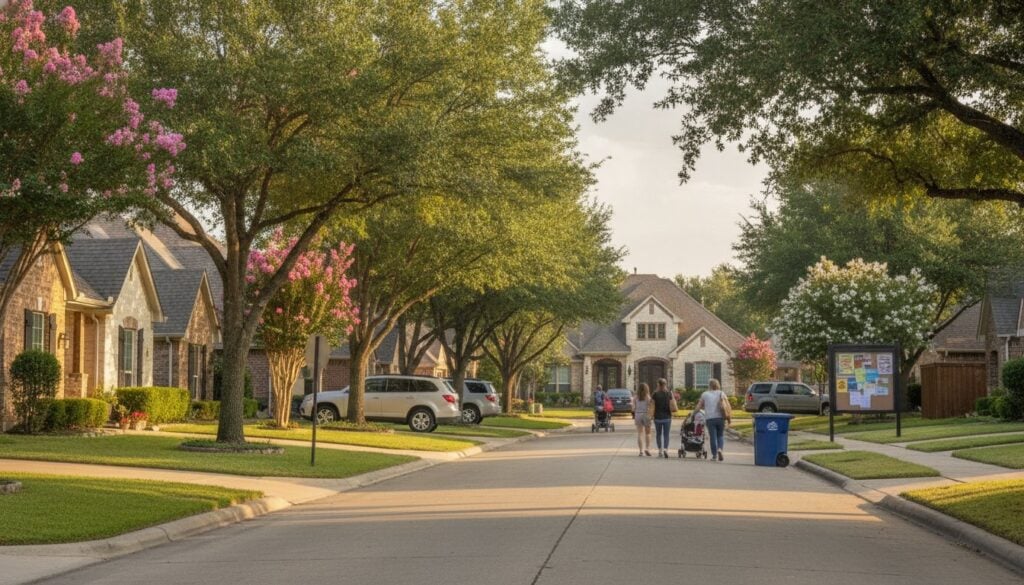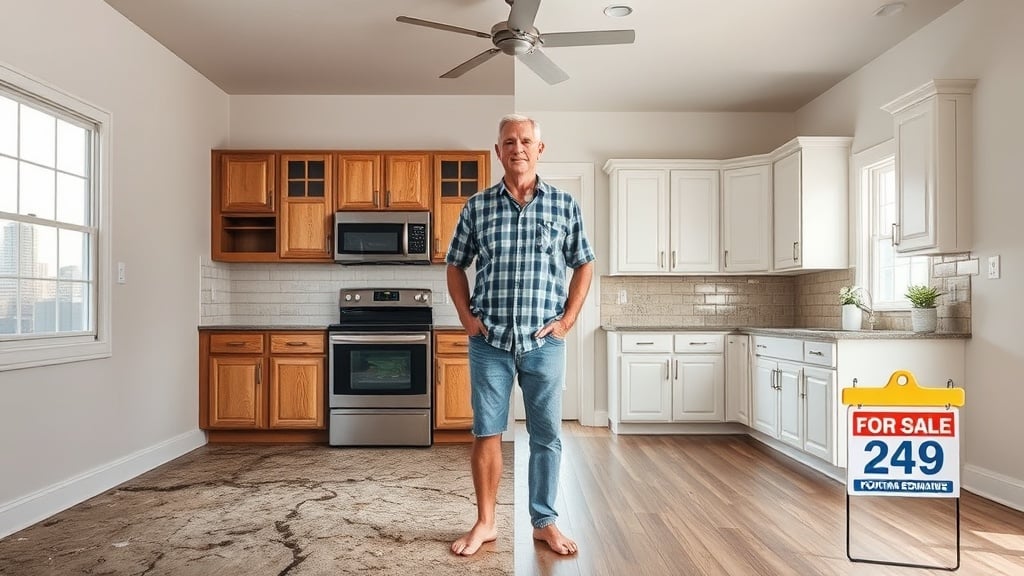
You’re standing in your Houston home, looking at that cracked foundation, the outdated kitchen, and wondering which repairs will actually help you sell. It’s a question thousands of Houston homeowners face every year.
Here’s what most sellers don’t realize: fixing everything won’t maximize your sale price. In fact, it’ll probably cost you money.
The Houston market has its own quirks. Buyers here expect working AC (non-negotiable in our climate), but they’re not paying premium prices for luxury upgrades. Strategic repairs typically impact your sale price by 10-20%, but only if you choose wisely.
This guide walks you through a decision-making framework that helps you identify which repairs will actually pay off when you fix and sell your home Houston. We’re not talking about gut renovations. We’re talking about smart, targeted improvements that buyers notice and value.

Step 1: Conduct a Comprehensive Home Assessment
Before you spend a single dollar on repairs, you need to know exactly what you’re dealing with. This means getting brutally honest about your home’s condition.
Perform a Room-by-Room Walkthrough
Grab a notebook and walk through your house like a buyer would. Start outside and work your way in.
Pay special attention to Houston-specific problems. Foundation issues are common here because of our clay soil. Look for cracks in walls, doors that stick, or gaps between walls and ceilings. Check your HVAC system because buyers won’t touch a house with a broken AC in this climate.
Humidity damage shows up everywhere in Houston homes. Look for water stains, musty smells, or soft spots in flooring. These problems only get worse and buyers will definitely notice them.
- Exterior: roof condition, siding, gutters, foundation cracks
- Kitchen: appliances, cabinets, countertops, plumbing
- Bathrooms: fixtures, tile, water pressure, ventilation
- HVAC: age of system, functionality, filter condition
- Flooring: carpet stains, hardwood scratches, tile cracks
- Windows and doors: operation, seals, locks
- Electrical: outlets, switches, panel condition
- Plumbing: leaks, water heater age, drainage
Get a Pre-Listing Inspection
Hiring an inspector before you list seems counterintuitive. Why pay someone to find problems?
Because buyers will find them anyway. And when they do, you’ll be negotiating from a weak position.
A pre-listing inspection in Houston typically costs between $300-500. The inspector will give you a detailed report of everything that’s wrong with your house. Now you can decide which issues to fix proactively and which ones to disclose upfront.
Some sellers use the inspection report to price their home accurately without making repairs. Others fix the major issues and use the clean report as a selling point. Either way, you’re controlling the narrative instead of reacting to buyer demands.
Categorize Repairs by Urgency and Type
Once you’ve identified all the issues, organize them into categories. This helps you see patterns and make strategic decisions.
- Critical/Safety: Foundation problems, electrical hazards, roof leaks, mold, HVAC failures
- Major Systems: Plumbing repairs, window replacements, garage door issues
- Cosmetic: Paint, flooring, fixtures, hardware, landscaping
- Curb Appeal: Front door, mailbox, lawn care, pressure washing
This categorization becomes your decision-making framework. Critical issues almost always need fixing. Cosmetic updates depend on your budget and timeline.
Step 2: Analyze Cost vs. Value for Houston Market
Not all repairs return the same value. Some improvements pay for themselves. Others are money pits that buyers won’t appreciate.
High-ROI Repairs for Houston Homes
These repairs typically return 80-100% or more of what you spend. They’re the ones you should prioritize when deciding how to fix and sell your home Houston.
HVAC repairs or updates are non-negotiable in Houston. A broken AC system will kill your deal faster than anything else. Even if your system works, if it’s more than 15 years old, buyers will factor replacement costs into their offers.
Fresh paint transforms a house for relatively little money. Interior and exterior painting creates an immediate impression of cleanliness and care. Neutral colors appeal to the broadest buyer pool.
Minor kitchen and bathroom updates don’t mean full renovations. We’re talking about replacing outdated fixtures, updating cabinet hardware, or installing a new faucet. These small changes help prepare your home for sale without breaking the bank.
Flooring repairs matter because buyers notice damaged floors immediately. You don’t need to install hardwood throughout the house, but you should replace stained carpet or fix cracked tiles in high-visibility areas.
Foundation repairs are expensive but necessary. Houston’s soil conditions cause foundation problems in many homes. Buyers either won’t make offers on houses with foundation issues, or they’ll demand massive price reductions. Getting the work done and providing documentation gives buyers confidence.
Medium-ROI Repairs Worth Considering

These improvements typically return 50-80% of your investment. Whether you tackle them depends on your home’s condition and your local competition.
Landscaping matters in Houston, but you need to be smart about it. Drought-resistant plants and proper drainage are more valuable than elaborate gardens. Buyers want low-maintenance yards that can handle our climate.

Garage door replacement improves curb appeal significantly. It’s one of the first things people see when they drive up. A new garage door costs a few thousand dollars but makes your whole house look more updated.
Window repairs or replacements help with energy efficiency, which matters in Houston’s heat. But full window replacement is expensive. Focus on fixing broken seals or replacing obviously damaged windows rather than upgrading everything.
Deck or patio improvements add value if you already have outdoor living space. Cleaning, staining, or making minor repairs shows buyers the space is usable. But building a new deck from scratch probably won’t pay off.
Low-ROI Repairs to Skip
These expensive upgrades rarely pay for themselves when you’re selling. Save your money.
Full kitchen remodels cost tens of thousands of dollars. You might get back 50-60% if you’re lucky. Buyers have different tastes, and they’d rather do their own renovation than pay premium prices for yours.
Luxury bathroom renovations fall into the same category. A spa-like master bath sounds great, but buyers won’t pay enough extra to justify the cost.
Swimming pool additions are controversial in Houston. Some buyers love pools, others see them as maintenance headaches. Adding a pool rarely increases your home value by more than the installation cost.
Over-improving for your neighborhood is the biggest mistake sellers make. If you’re in a neighborhood where homes sell for $300,000, don’t spend $50,000 on upgrades. You won’t get that money back because buyers shopping in that price range have other options.
Calculate Your Break-Even Point
Here’s a simple formula for deciding if a repair makes financial sense:
(Estimated increase in sale price) – (Repair cost + holding costs) = Net benefit
Let’s say you’re considering a $5,000 paint job. Your agent thinks it’ll increase your sale price by $8,000. But the repairs will take two weeks, costing you an extra $1,000 in mortgage, utilities, and other holding costs. Your net benefit is $2,000, so the repair makes sense.
Now consider a $30,000 kitchen remodel. Even if it increases your sale price by $20,000 (optimistic), you’re losing $10,000 plus holding costs. That repair doesn’t make financial sense.
Step 3: Prioritize Must-Fix Items to Fix and Sell Your Home Houston
Now that you understand cost versus value, let’s build your actual repair priority list.
Critical Repairs You Cannot Skip
These issues will kill your deal if you don’t address them. Buyers won’t overlook safety or structural problems.
Foundation problems scare buyers more than anything else. In Houston, foundation repairs typically cost between $3,500 and $10,000 depending on severity. Get multiple quotes and choose a reputable company that offers a transferable warranty.
Roof leaks need immediate attention. Water damage spreads quickly in Houston’s humid climate. A roof repair might cost $500-2,000, while a full replacement runs $8,000-15,000. If your roof is near the end of its life, replacement might be worth it.
Electrical hazards like outdated panels, exposed wiring, or non-functioning outlets are safety issues. Buyers’ inspectors will flag these problems, and lenders might refuse to finance the purchase until they’re fixed.
Plumbing issues including leaks, low water pressure, or sewer line problems need professional attention. Small leaks become big problems, and buyers will assume the worst if they see water damage.
Mold and water damage are deal-breakers. Houston’s humidity creates perfect conditions for mold growth. Professional remediation costs vary widely, but ignoring the problem guarantees your house won’t sell.
HVAC failures must be addressed. A non-functioning system in Houston is like selling a car without an engine. Repair costs range from a few hundred dollars for minor fixes to $5,000-8,000 for full system replacement.
High-Impact Cosmetic Fixes
These improvements cost relatively little but dramatically change how buyers perceive your home.
Interior and exterior paint is probably the best money you’ll spend. Professional painting typically costs $2,000-5,000 depending on your home’s size. Stick with neutral colors like gray, beige, or white. Buyers want to envision their own style, not yours.
Carpet cleaning or replacement makes a huge difference. Professional cleaning costs a few hundred dollars. If your carpet is stained or worn, replacement with builder-grade carpet costs $2-4 per square foot installed.
Light fixture updates modernize your home instantly. Replacing dated fixtures with simple, contemporary options costs $50-200 per fixture. Focus on high-visibility areas like the entryway, dining room, and kitchen.
Hardware replacement includes cabinet pulls, door handles, and faucets. These small details add up to create an impression of quality. You can update hardware throughout your house for a few hundred dollars.
Curb Appeal Essentials for Houston Homes
First impressions happen before buyers even walk through your door. These exterior improvements pay off.
Lawn care and landscaping matter in Houston. Mow regularly, edge walkways, and add fresh mulch to flower beds. Consider drought-resistant plants that can handle our climate without constant watering. Budget $500-1,500 for professional landscaping cleanup.
Pressure washing is critical in Houston’s humid climate. Mold, mildew, and dirt accumulate on siding, driveways, and walkways. Professional pressure washing costs $200-500 and makes your house look years newer.
Front door refresh creates an inviting entrance. Paint or stain your front door, add a new doormat, and consider updating the hardware. Total cost: $100-300 for DIY or $500-1,000 for door replacement.
Mailbox and house numbers seem minor but contribute to overall curb appeal. New house numbers cost $20-50, and a new mailbox runs $50-150. These small touches show attention to detail.
Creating Your Personalized Repair Priority List
Take all the repairs you’ve identified and rank them using these criteria:
- Cost: How much will this repair actually cost?
- ROI: What’s the expected return on investment?
- Time: How long will this repair take?
- Impact: How much will buyers notice this issue?
Start with critical repairs that affect safety or functionality. Then move to high-ROI cosmetic improvements. Finally, consider medium-ROI repairs if your budget allows.
Step 4: Find and Vet Reliable Houston Contractors
Finding good contractors in Houston can be challenging. The market is full of both excellent professionals and people who’ll take your money and disappear.
Where to Find Quality Houston Contractors
Start with HAR.com, which often features contractor recommendations from local real estate agents. Your agent probably has a list of reliable contractors they’ve worked with before.
Nextdoor is valuable for neighborhood-specific recommendations. Your neighbors have probably used local contractors and can tell you who to hire and who to avoid.
Check the Better Business Bureau for contractor ratings and complaint history. Also look at Angi or HomeAdvisor for reviews and quotes.
Getting Multiple Quotes and Comparing Bids
Always get at least three quotes for any significant repair. But don’t automatically choose the lowest bid.
Request detailed written estimates that break down materials, labor, and timeline. Vague quotes like “$5,000 for kitchen work” are red flags. You want to see exactly what you’re paying for.
Watch out for bids that are significantly lower than others. Either the contractor doesn’t understand the scope of work, or they’re planning to cut corners. Typical contractor markup in Houston ranges from 20-35% over material and labor costs.
Verifying Licenses, Insurance, and References
Texas doesn’t require general contractor licenses for most residential work, but specific trades like electrical and plumbing do require licensing. Ask to see relevant licenses and verify them with the state.
Confirm the contractor has liability insurance and workers’ compensation coverage. If someone gets hurt on your property and the contractor isn’t insured, you could be liable.
Actually call the references contractors provide. Ask about quality of work, timeline adherence, communication, and whether they’d hire the contractor again. Check online reviews on multiple platforms.
Negotiating Timeline and Payment Terms
Get everything in writing. Your contract should specify the scope of work, materials to be used, timeline, payment schedule, and what happens if there are delays or problems.
Never pay 100% upfront. A typical payment schedule is 10-20% deposit, 30-40% at project midpoint, and the remainder upon completion. Some contractors request payment in thirds.
Build timeline expectations into your contract. Include specific start and completion dates, and consider adding penalty clauses for significant delays (though this might increase your cost).
Step 5: Budget and Finance Your Pre-Sale Repairs
Most sellers don’t have unlimited cash sitting around for repairs. You need a realistic budget and possibly financing options.
Creating a Realistic Repair Budget
Add up the estimated costs for all your priority repairs. Then add 15-20% as a contingency buffer. Repairs almost always cost more than initial estimates because contractors find additional problems once they start working.
Allocate your budget across categories based on priority. Critical repairs get funded first, then high-ROI cosmetic improvements, then everything else if money remains.
Financing Options for Pre-Sale Improvements
If you have equity in your home, a home equity loan or line of credit might make sense for major repairs. Interest rates are typically lower than other options, and you’ll pay off the loan when your house sells.
Personal loans work for smaller repair budgets. They’re unsecured, so you don’t risk your home, but interest rates are higher than home equity products.
Credit cards can cover small repairs if you can pay them off quickly. Some cards offer 0% introductory APR periods, which can work if you’re selling within a few months.
Some companies offer pre-sale renovation programs where they fund repairs and get repaid at closing. These programs typically charge fees or interest, so calculate whether the convenience is worth the cost.
DIY vs. Professional: When to Save Money Yourself
Some repairs are perfect for DIY if you’re handy. Others require professional expertise.
Good DIY projects: painting, landscaping, minor fixture replacements, hardware updates, pressure washing, and basic cleaning. These tasks don’t require specialized skills, and you can save hundreds or thousands in labor costs.
Hire professionals for: electrical work, plumbing, HVAC repairs, foundation work, roofing, and anything requiring permits. Poor DIY work on these systems can create safety hazards and liability issues.
Be honest about your skill level and available time. A bad DIY paint job looks worse than no paint job. If you’re not confident in your abilities, hire someone.
Step 6: Execute Repairs and Document Everything
Once you’ve decided on repairs and hired contractors, managing the process efficiently keeps you on schedule and budget.
Managing Your Repair Timeline
Create a schedule that coordinates multiple contractors without overlap. You can’t paint while the electrician is working, and you don’t want the carpet installers showing up before the painters finish.
Typical timeframes for common repairs: painting takes 3-5 days, flooring replacement takes 2-4 days, HVAC repairs take 1-2 days, and foundation work takes 1-3 weeks. Build buffer time into your schedule because delays happen.
Plan to list your house 1-2 weeks after repairs are complete. This gives you time for final cleaning, staging, and photography.
Keeping Receipts and Documentation
Save every invoice, receipt, permit, and warranty related to your repairs. This documentation proves to buyers that work was done professionally and legally.
Create a repair folder with before and after photos, contractor information, warranty details, and receipts. Some buyers will want to see this documentation, especially for major repairs like foundation work or roof replacement.
Transferable warranties add value. If your HVAC system or roof comes with a warranty that transfers to the new owner, that’s a selling point worth highlighting.
Quality Control and Final Walkthroughs
Inspect completed work carefully before making final payments. Create a punch list of any issues that need correction.
Make sure all required permits are closed. Open permits can cause problems during the sale process and might prevent the transaction from closing.
Get final sign-offs and lien releases from contractors. A lien release protects you from future claims against your property for unpaid work.
Alternative Strategy: Selling As-Is in Houston
Sometimes the smartest decision is to skip repairs entirely and sell your house as-is.
When Selling As-Is Makes Financial Sense
If your house needs extensive repairs that would cost more than the increased sale price, selling as-is might be your best option. This is common with inherited properties or homes that have been neglected for years.
Tight timelines also favor as-is sales. If you need to sell quickly because of job relocation, divorce, or financial hardship, you probably don’t have time for a lengthy repair process.
In neighborhoods where homes are older and buyers expect to do work, as-is sales are more common. You’re not competing against pristine houses, so repairs matter less.
Pricing Strategy for Homes Needing Repairs
As-is homes typically sell for 10-20% below market value for comparable updated homes. The exact discount depends on the extent of needed repairs and current market conditions.
Calculate your as-is value by starting with comparable sales, then subtracting estimated repair costs plus a buffer for buyer profit margin. Investor buyers need to make money on the deal, so they’ll factor in their costs and desired return.
Price aggressively to attract multiple offers. Competition between buyers can drive up your final sale price even on an as-is property.
Disclosure Requirements in Texas
Texas law requires sellers to complete a Seller’s Disclosure Notice that lists known defects and problems with the property. This applies whether you’re selling as-is or after making repairs.
Be honest and thorough in your disclosures. Failing to disclose known problems can lead to lawsuits after closing. If you’re unsure whether something needs to be disclosed, err on the side of transparency.
Selling as-is doesn’t exempt you from disclosure requirements. You still need to tell buyers about problems you know about, even if you’re not fixing them.
Making Smart Repair Decisions to Maximize Your Houston Home Sale
The key to successfully fix and sell your home Houston is strategic thinking, not comprehensive renovation. Focus on repairs that buyers notice and value, skip expensive upgrades that won’t pay off, and be realistic about your budget and timeline.
Start with a thorough assessment of your home’s condition. Prioritize critical repairs that affect safety and functionality. Then tackle high-ROI cosmetic improvements that create strong first impressions.
Remember that Houston’s market has specific expectations. Working HVAC isn’t optional, foundation problems need addressing, and humidity damage will scare buyers away. But luxury upgrades won’t necessarily increase your sale price enough to justify the investment.
Whether you decide to make repairs or sell as-is, base your decision on solid financial analysis. Calculate your break-even point for each repair, factor in holding costs, and choose the strategy that maximizes your net proceeds.
Work with experienced local contractors who understand Houston homes. Get multiple quotes, verify credentials, and document everything. The right team makes the repair process smoother and helps you avoid costly mistakes.
Your goal isn’t to create a perfect house. It’s to present a home that buyers can see themselves living in, without major concerns that would prevent them from making an offer. Strategic repairs accomplish that goal without draining your bank account.